Il y a presque quelque chose d’énervant, pour qui a fait de longues études d’art, à écouter1 Henry Miller se vanter de sa nullité en peinture, et de l’envie que ses amis peintres lui témoignent.
« Les peintres paraissent intrigués par les petits trucs qui me permettent de contourner les difficultés. Il arrive que certains me disent : “Je voudrais bien avoir le courage de faire ça!” Comme s’il m’avait fallu du courage, à moi ! Quand j’explique que c’est par pure ignorance que j’ai fait mes maisons de cette manière, on me répond généralement : “Ça ne fait rien. Vous vous êtes bien amusé. Et puis, ça fait tout de même un tableau, non?” »2
S’amuser c’est important. Je vois bien aussi que mes propres peintures deviennent nulles quand je ne m’amuse plus, si le travail devient une corvée au lieu d’une concentration heureuse et dévouée, une absorption enfantine à la tâche.
« Que de fois n’ai-je pas essayé de copier ou d’imiter un travail d’enfant! (…) Parfois quelqu’un m’est tombé dessus pendant une de mes crises de peinture en s’exclamant : “Quelles couleurs gaies vous avez là! Quelle liberté! Comme vous devez vous amuser!” Mais ce n’est que la joie d’un homme-enfant. Je n’ai jamais vu un enfant au travail exprimer cette sorte de joie là. Les enfants sont bien trop captivés et absorbés par ce qu’ils font pour avoir conscience d’aucune émotion marginale. Quoi que fasse un enfant, que son œuvre exprime la peur, l’horreur ou l’angoisse, l’effet qu’elle produit sur le spectateur est toujours le même : la joie. L’œuvre d’un enfant ne manque jamais de nous provoquer, d’en appeler à nous, parce qu’elle est toujours honnête et sincère, toujours pénétrée et imprégnée de cette assurance quasi magique qui naît d’une approche directe et spontanée des objets. »3
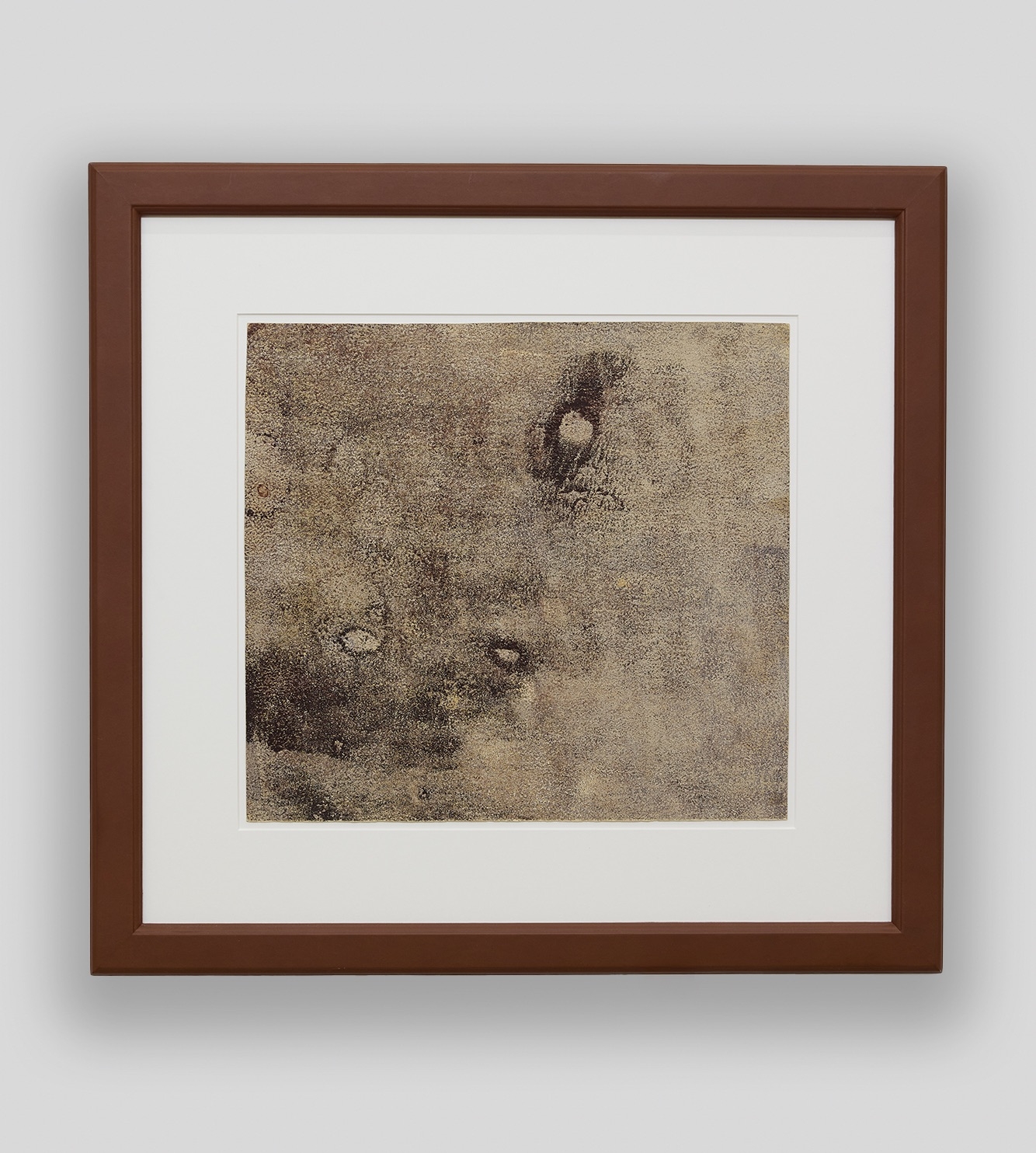
Dubuffet est un bon exemple d’une tentative de s’approcher de la qualité des oeuvres produites par des enfants — ou des mal nommés « fous », et même des animaux :
« Tout hanté de glissements, d’éclairs dans l’eau vive, combien passionnant serait l’ouvrage d’une truite, si les truites peignaient. Celui du serpent — si les serpents nous livraient leurs ouvrages — obsédé de pierre brûlante. (…)Et n’importe l’objet qu’ils peindraient, et fût-ce par exemple une pomme, la truite y mettrait de ses courses froides, le serpent de sa pierre (…). Hommes, nous sommes passionnés des ouvrages faits par les hommes nos semblables, nous y cherchons avidement les traces des spectacles qui peuplent nos regards à tous nos instants, de nos préhensions quotidiennes obsédantes, de ce qui, au long de notre vie, tombe sous nos sens à tous nos pas. Et c’est : une affiche déchirée, un bout de tôle qui brille, un fer rouillé, un chemin crotté, un couvercle badigeonné au coaltar. (…)des traces, des traînées, des hasards, (…)voilà ce que le peintre doit tout enregistrer à mesure et fixer et assimiler et restituer dans ses ouvrages voire peignant une pomme. »4
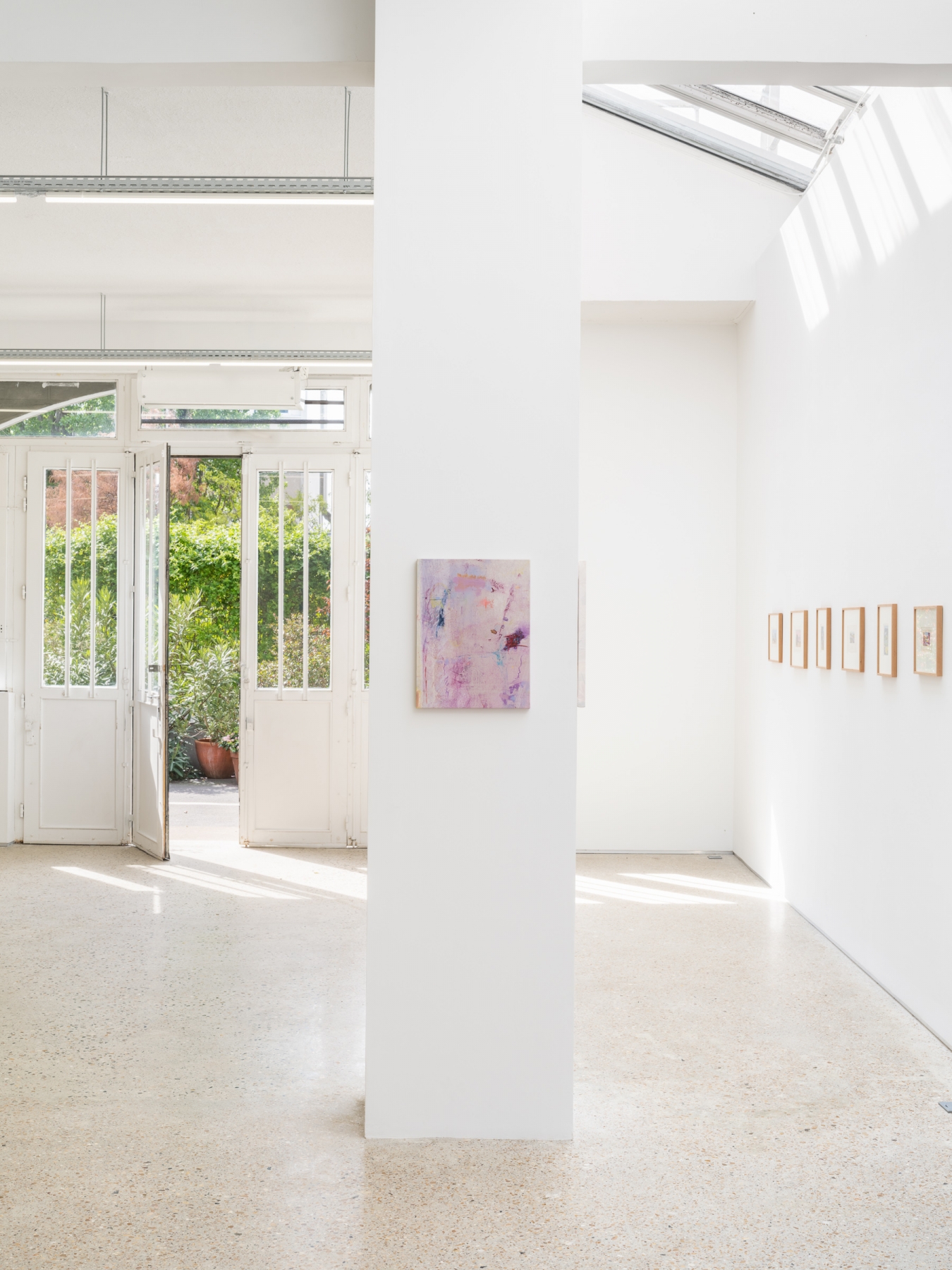
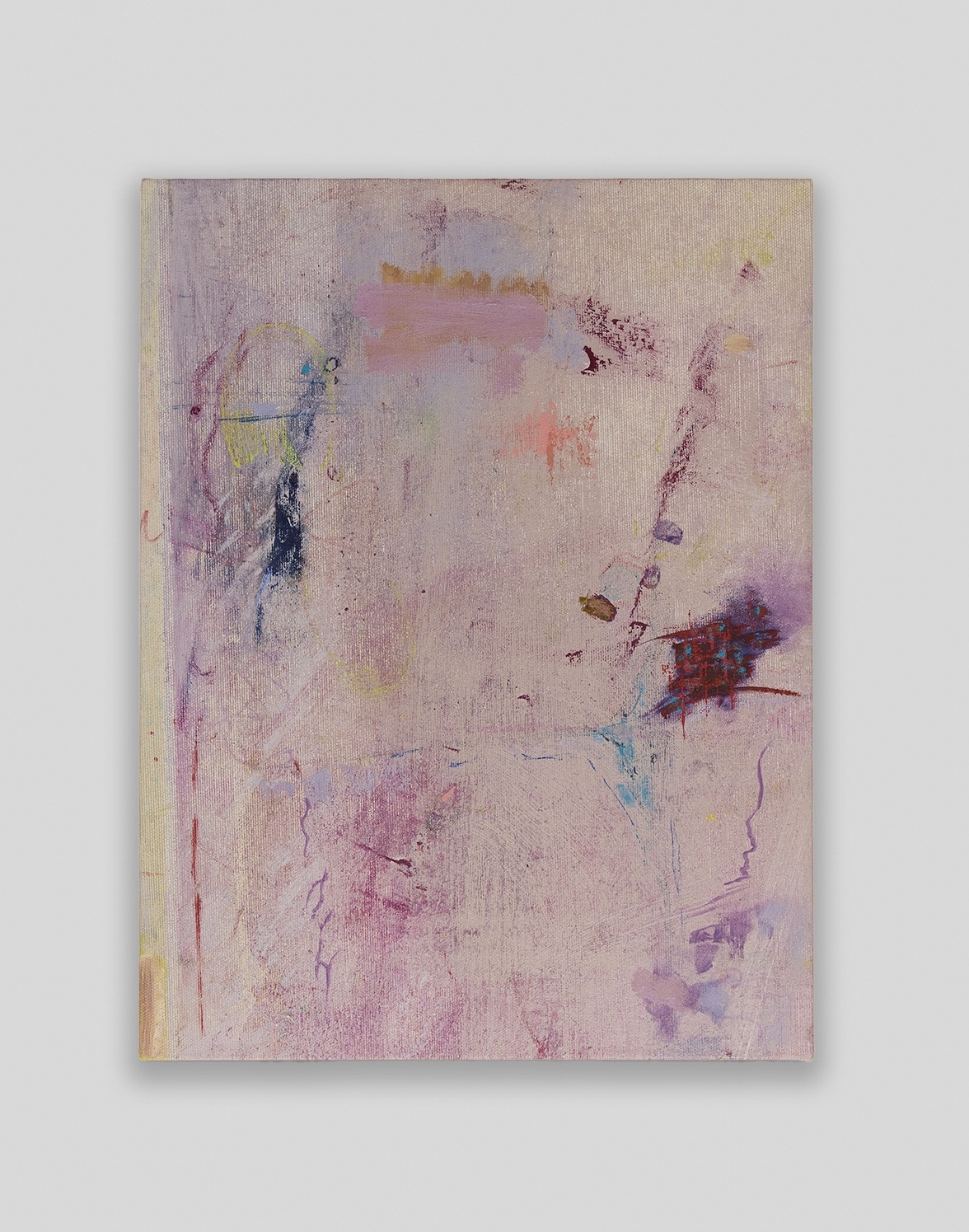
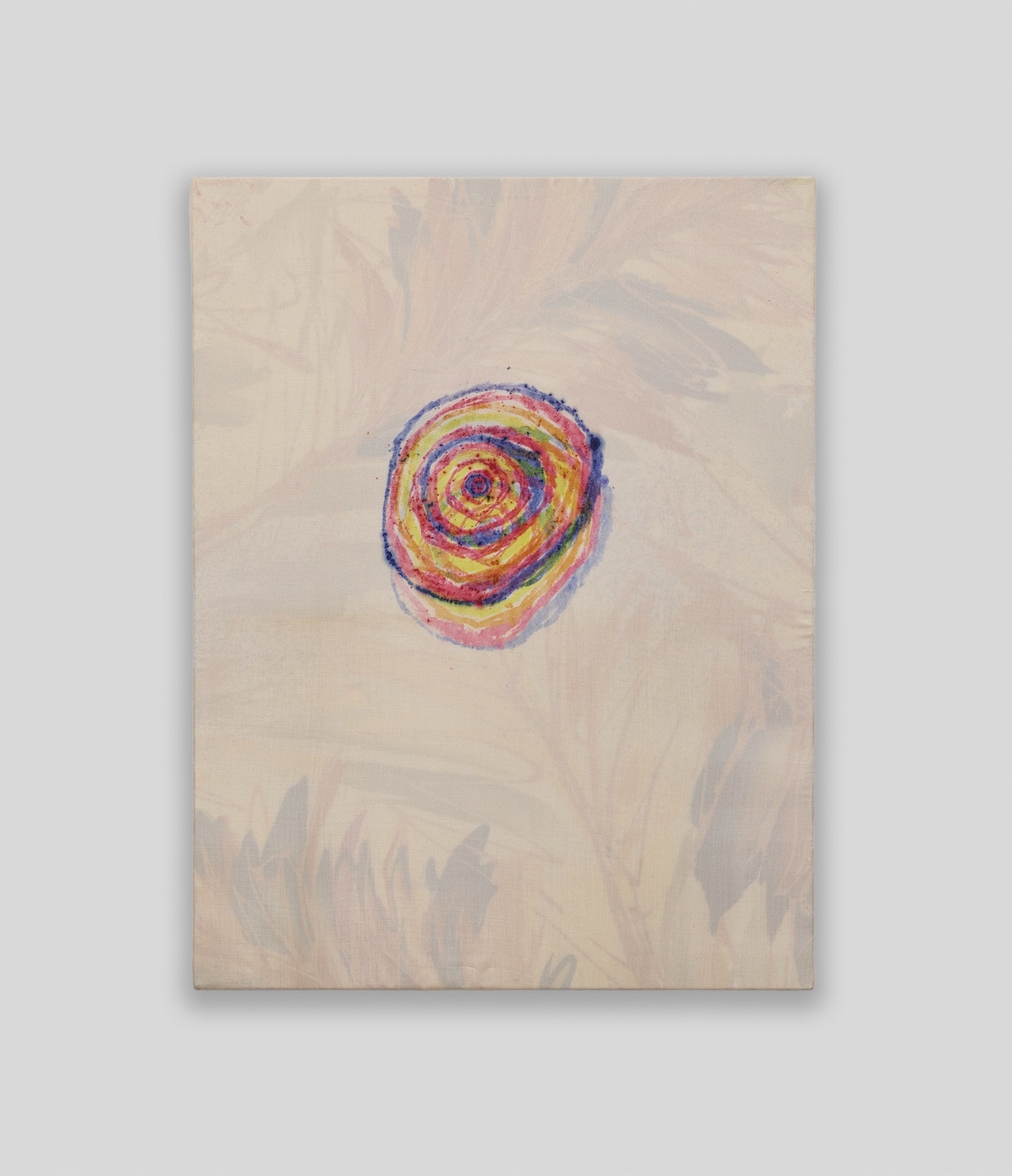
Whitney Claflin incruste directement dans ses tableaux ces traces de la vie humaine. Feuille de cahier, clous, boucle d’oreille perdue. Lorsque la toile elle-même est une chute de tissus, c’est le fauteuil ringard auquel le reste du lé a servi, et toute la vie des gens qui s’y sont glissés qui sont convoqués. Son procédé de peinture est un jeu de trouvailles, un jeu parfois très long : une partie de peinture entamée peut traîner des mois, un an dans son atelier avant qu’elle en trouve la solution.
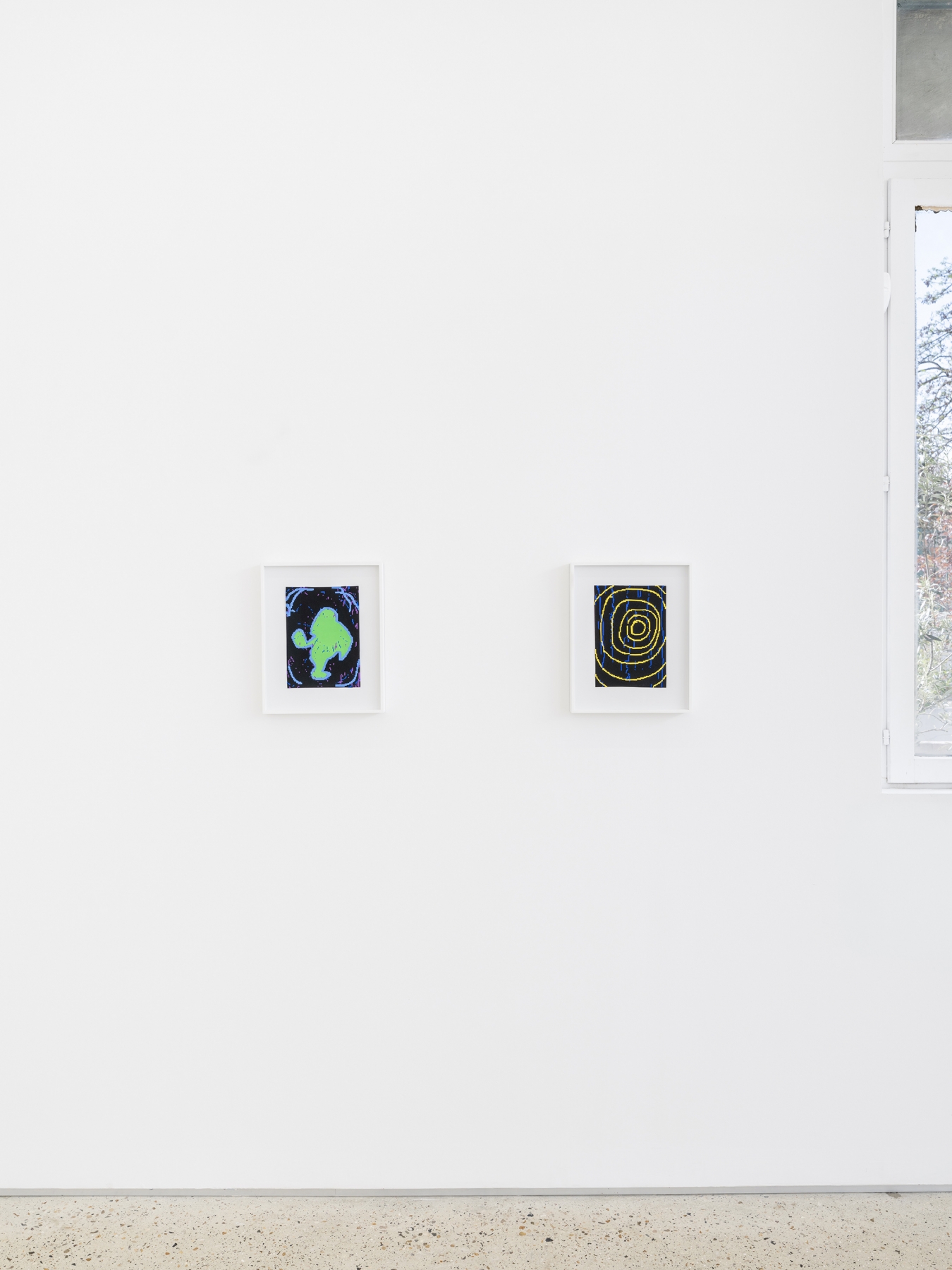
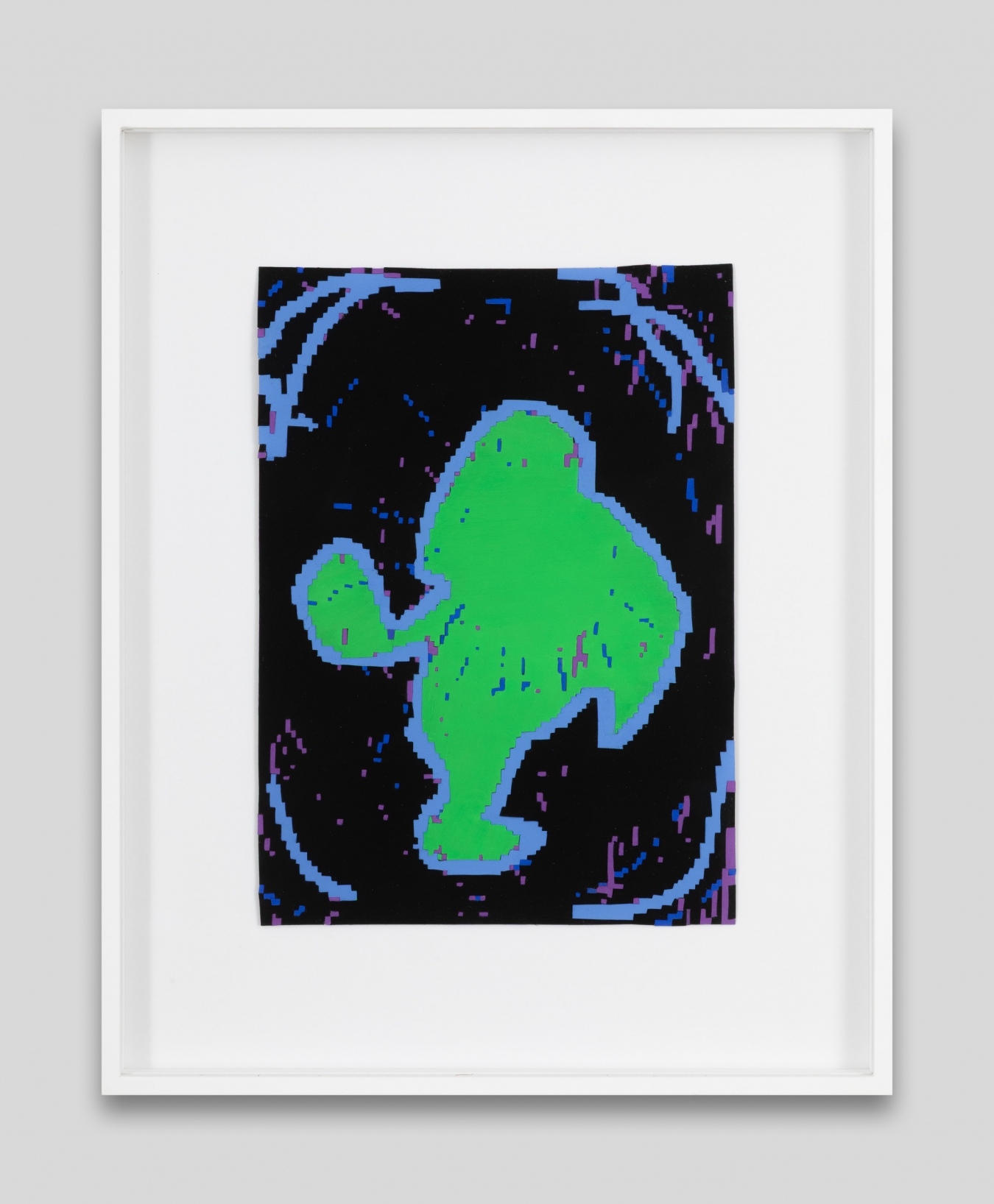
Sadie Benning a littéralement commencé sa pratique à partir d’un jouet : une caméra pour enfant reçue en cadeau à l’adolescence. Dans sa peinture, le jeu reste : les tableaux sont des puzzles de bois et résine, ou des collages de papier coloré à la gouache puis découpé comme Matisse.
Au travail, je suis sûre que Whitney et Sadie s’amusent. Peut-être pas tout le temps, et le processus qui mène à l’aspect ludique de leurs œuvres est parfois étonnamment long et technique, mais la joie y est attrapée à un moment et y demeure.
Tout ça est une histoire de liberté. Les naïfs sont libres car «un naïf c’est en effet quelqu’un qui transgresse des règles qu’il ne connaît même pas »5
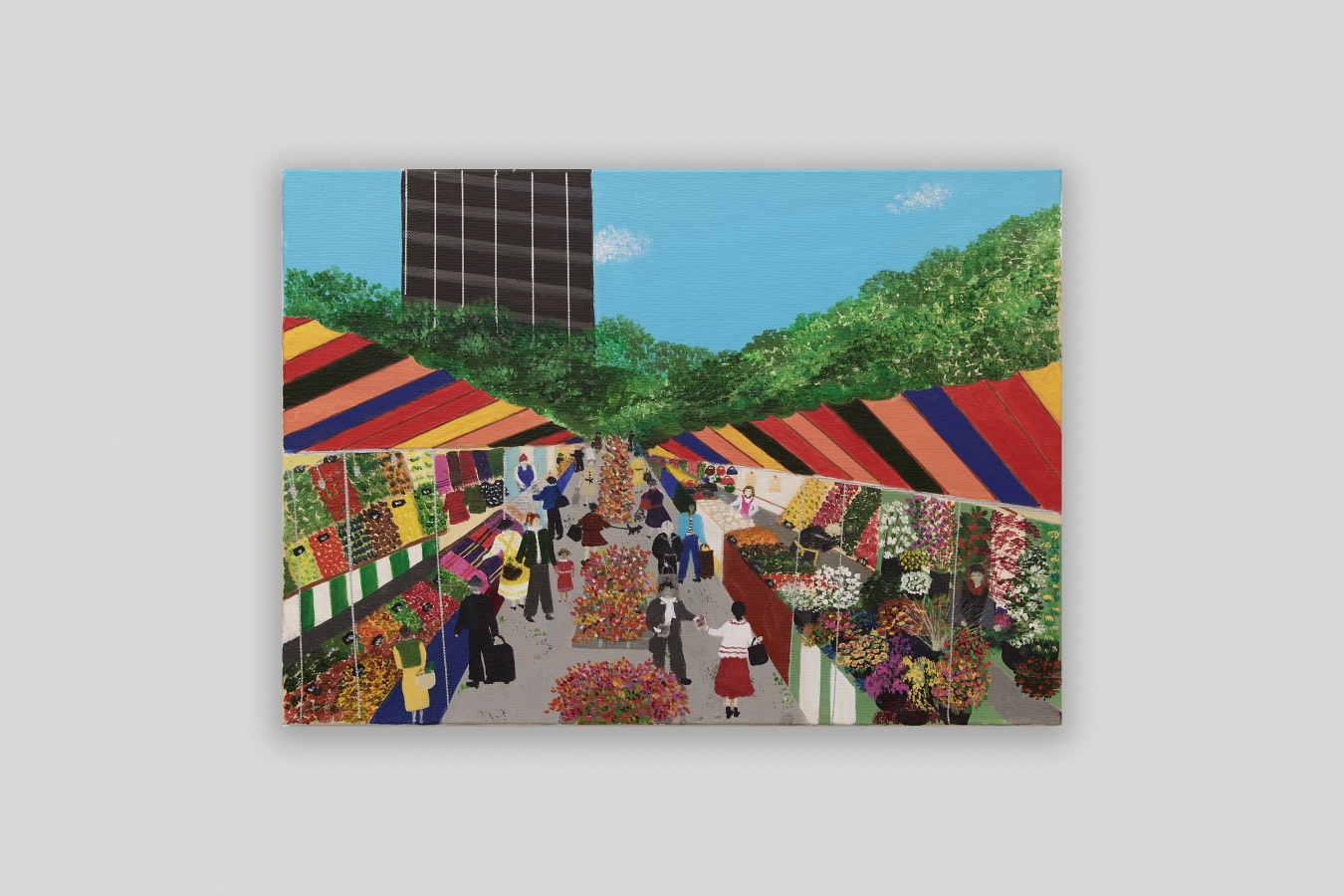
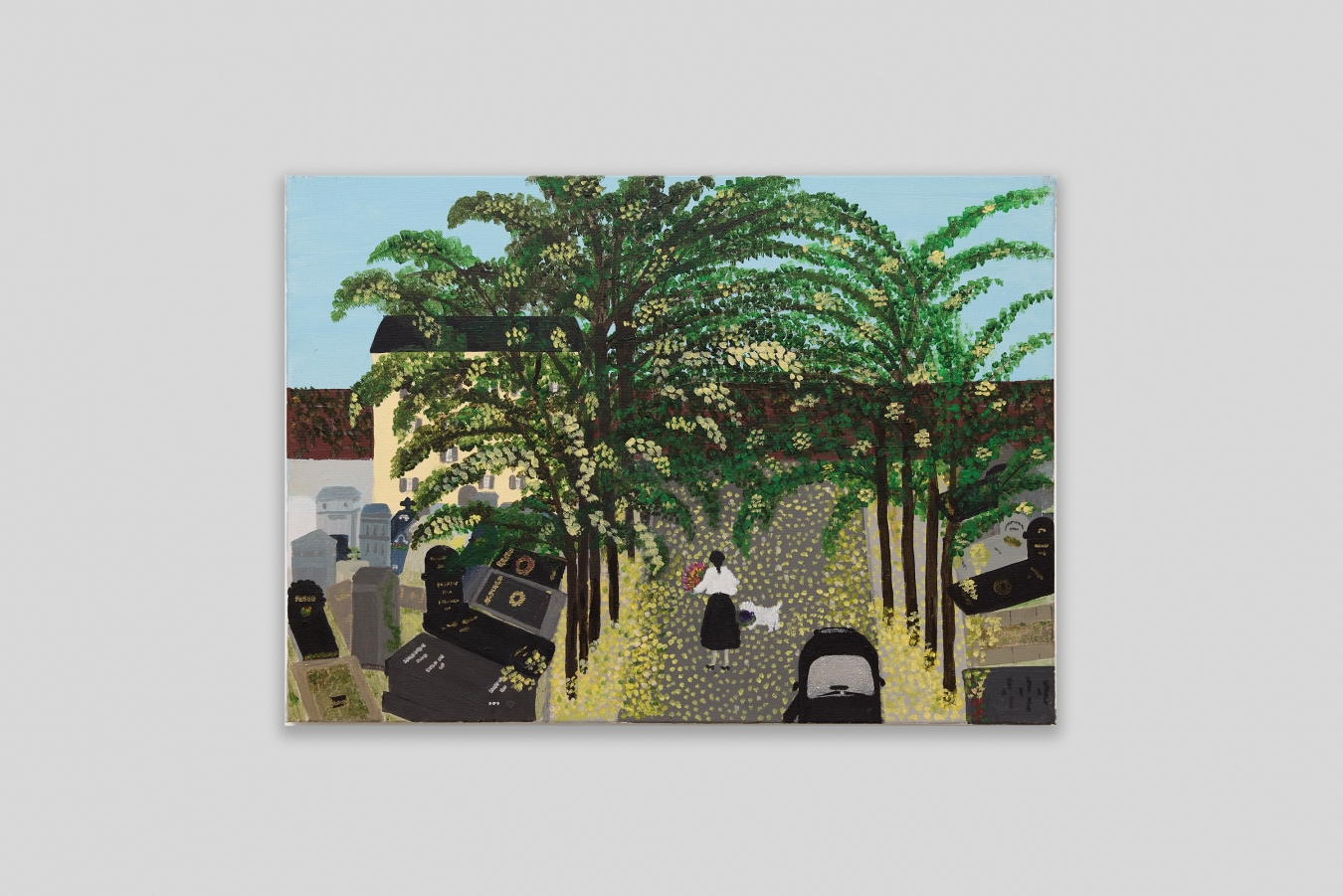
On peut douter que Françoise Lapeyre ignore toute règle de l’art — elle respecte relativement celles de la perspective — mais ayant comme Miller privilégié l’écriture et “peintre du dimanche” revendiquée, elle n’en a donc subi ni l’enseignement ni l’obligation, et comme lui elle peint par périodes, selon son bon plaisir, avant et après sa carrière dans le monde de l’édition.
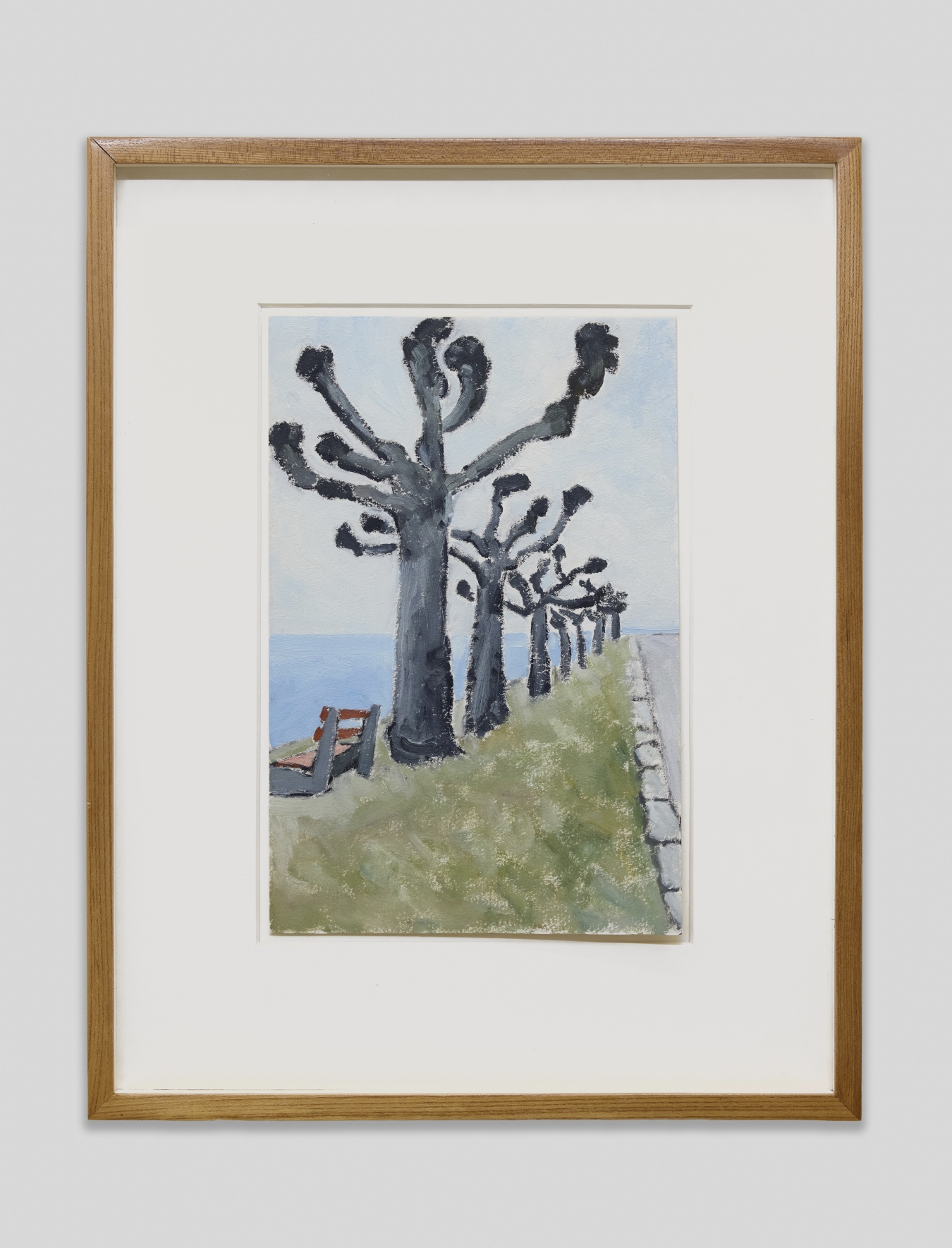
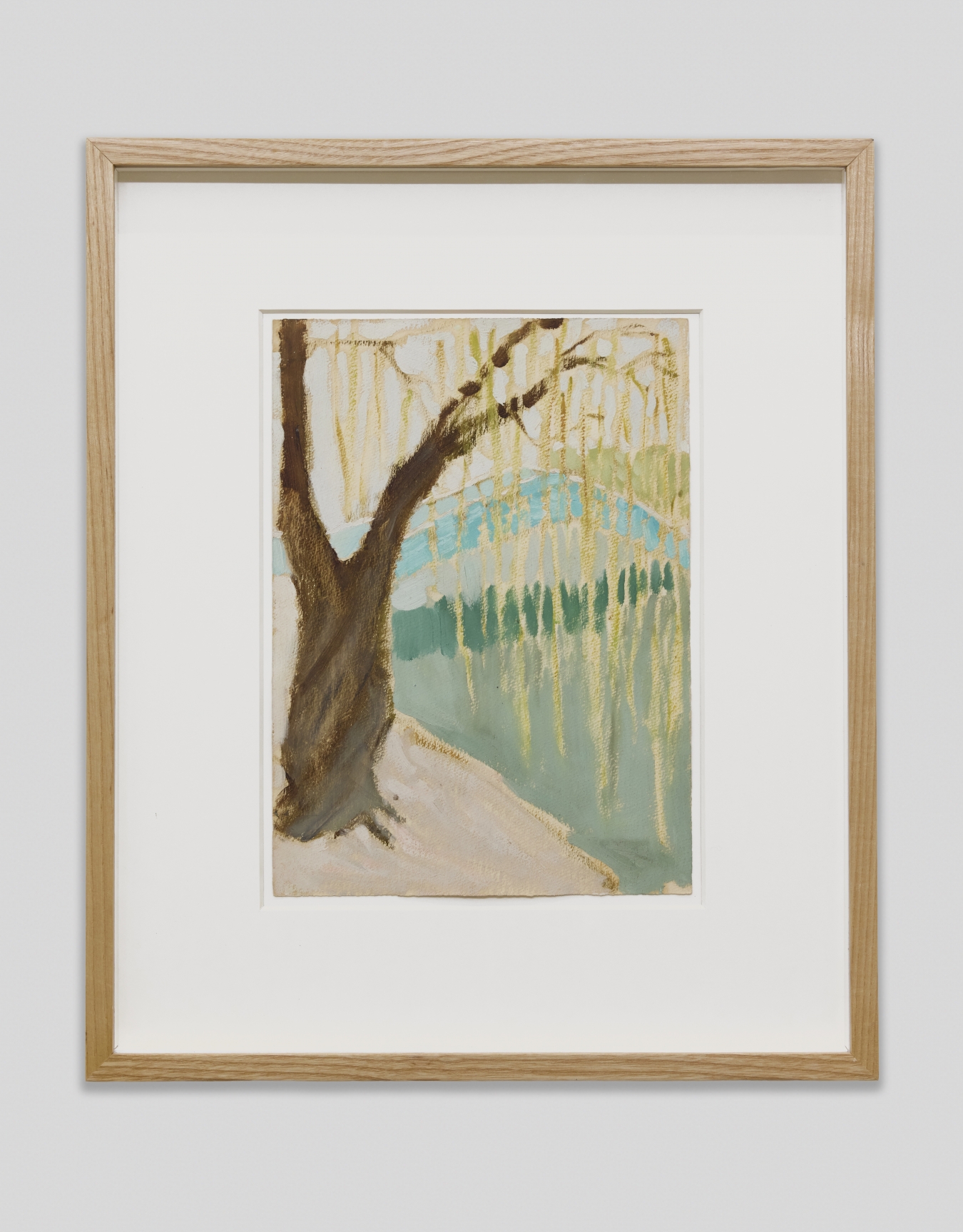
Li Shan aussi est autodidacte et a aussi mis de côté la peinture pendant une trentaine d’années, mais sa peinture n’est « naïve » que sous un regard occidental contemporain. Peindre des natures mortes et des paysages en Chine dans les années 70 n’avait rien de naïf, ou l’était dangereusement. Sous la révolution culturelle ces thèmes sont considérés comme de l’art bourgeois et menacent de purge Li Shan et son groupe Wuming (No Name Painting Association) qui se réunissent en secret pour peindre en plein-air. 6 On ne sait plus trop si ses peintures sont de style impressionniste, shanshui, académique ou d’avant-garde, ou si la question est même pertinente. Aucun genre ni style n’est plus subversif en soi, c’est maintenant selon le contexte et l’intention avec laquelle l’artiste travaille qu’il peut l’être — ou pas.
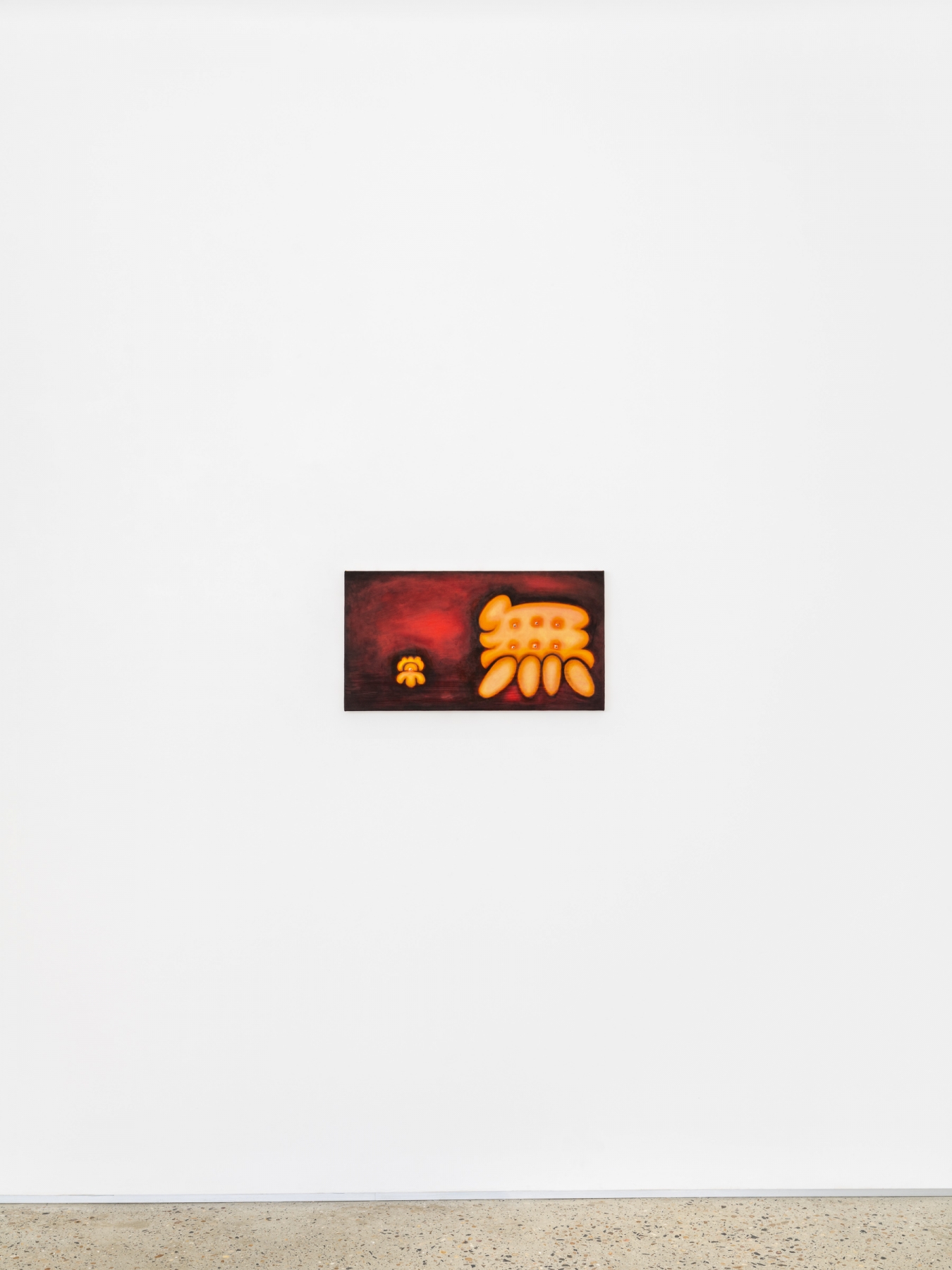
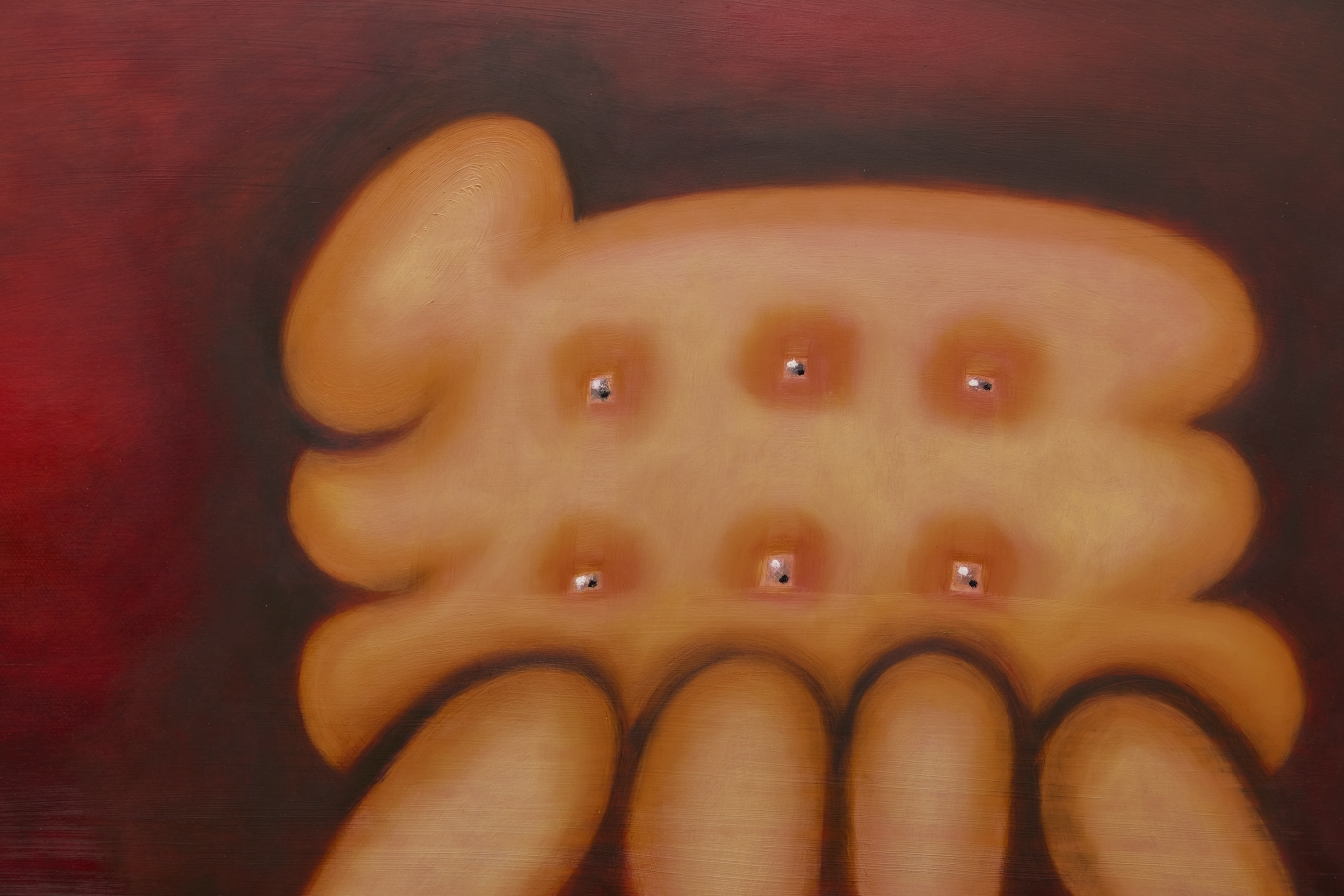
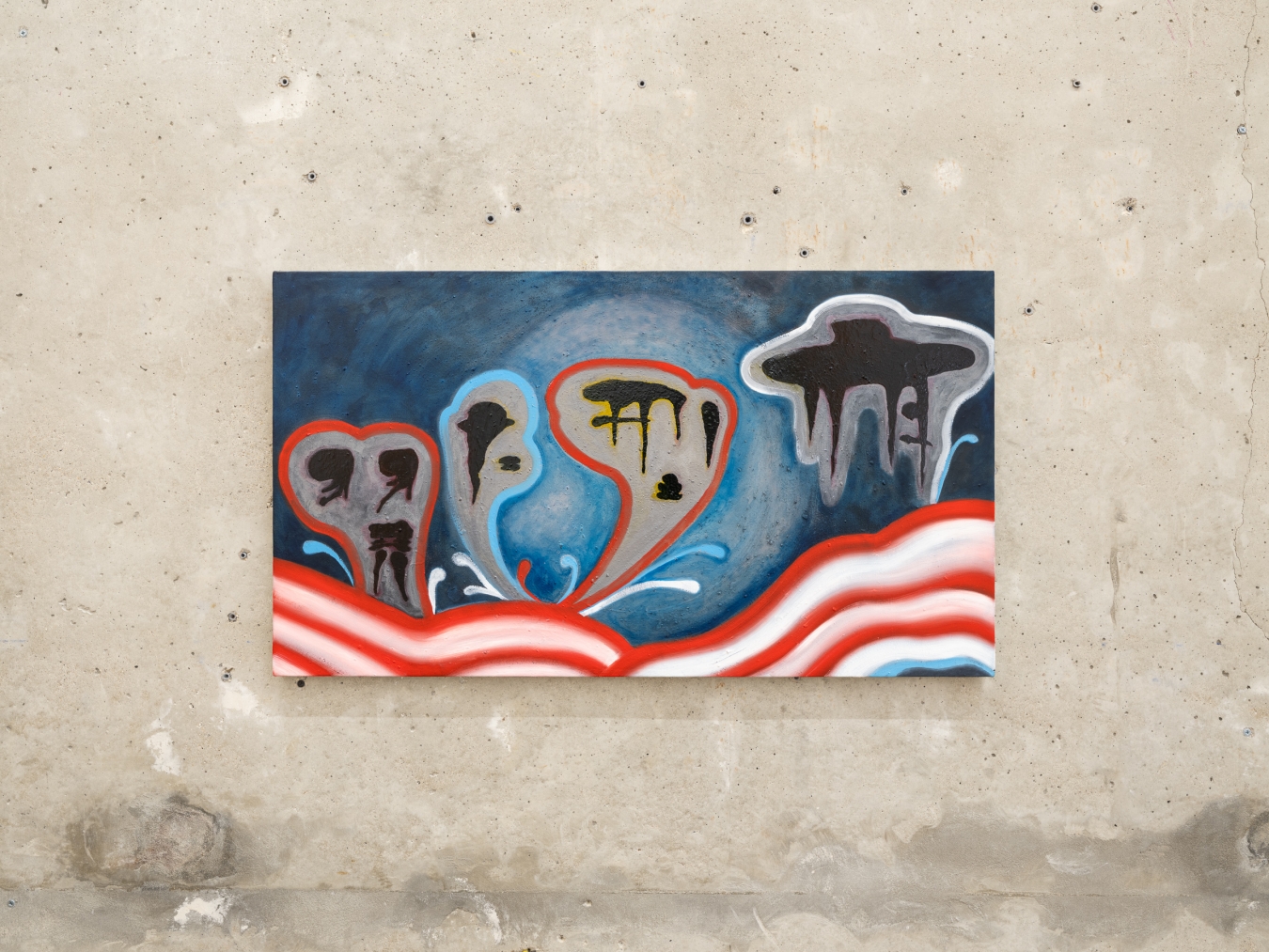
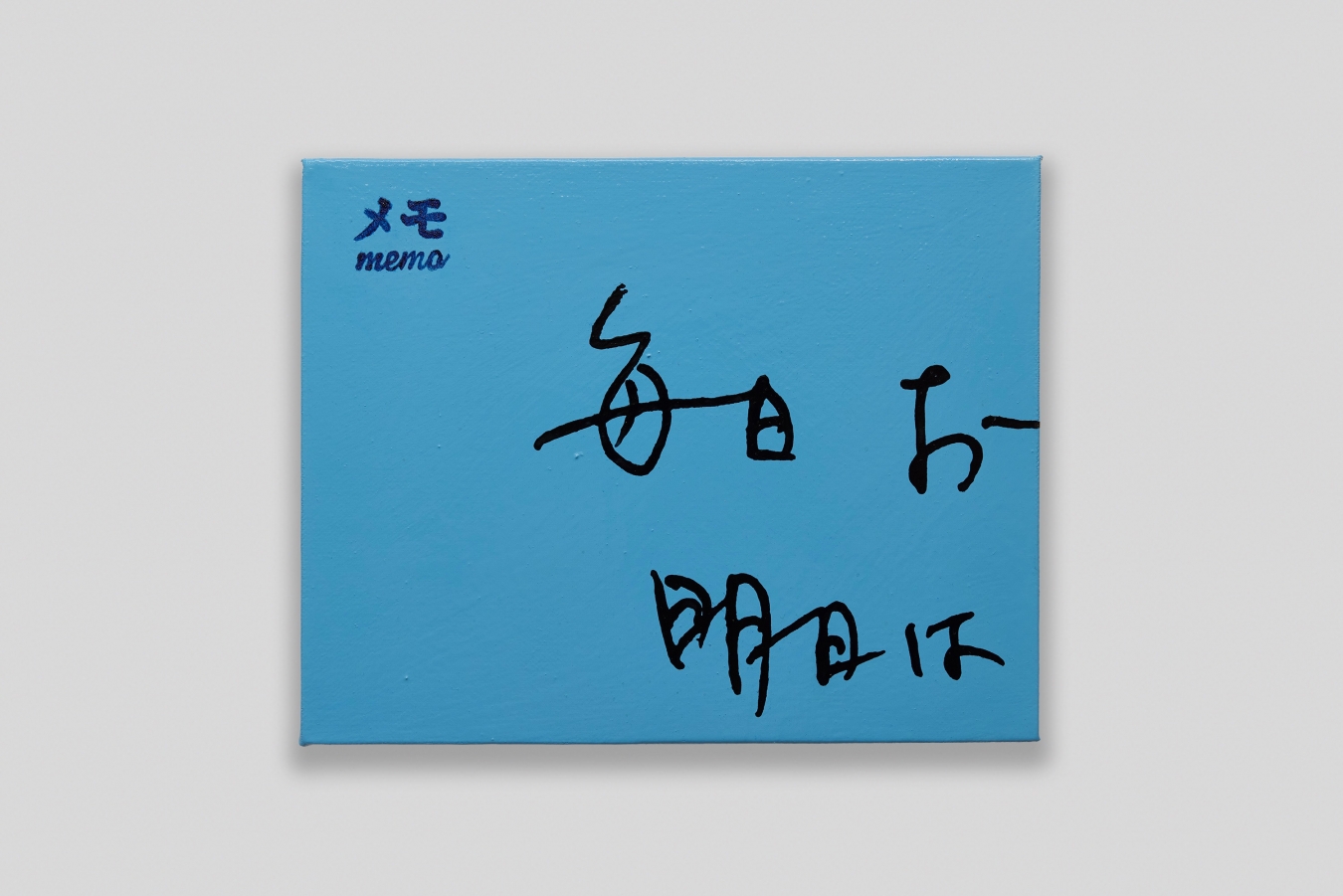
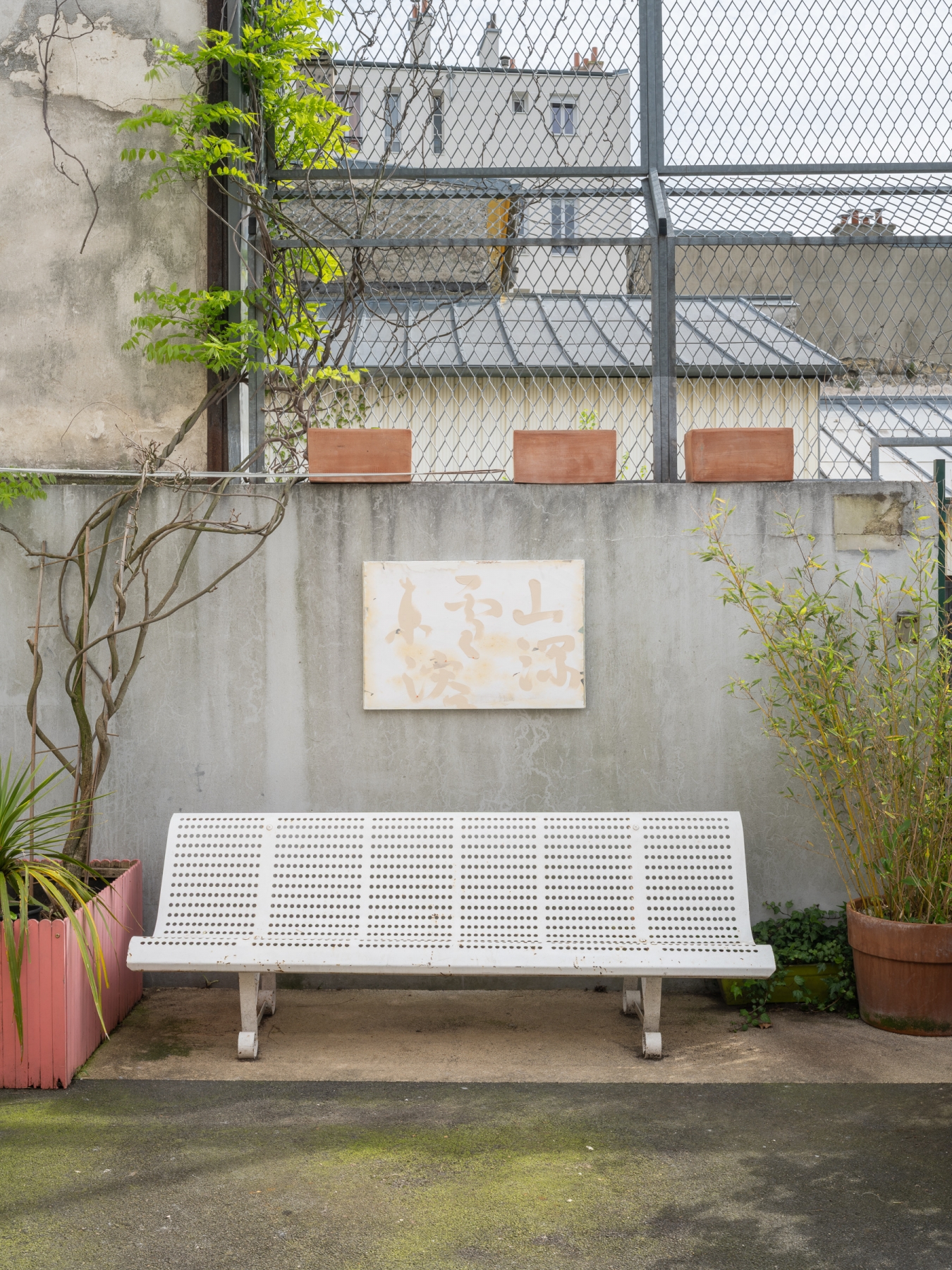
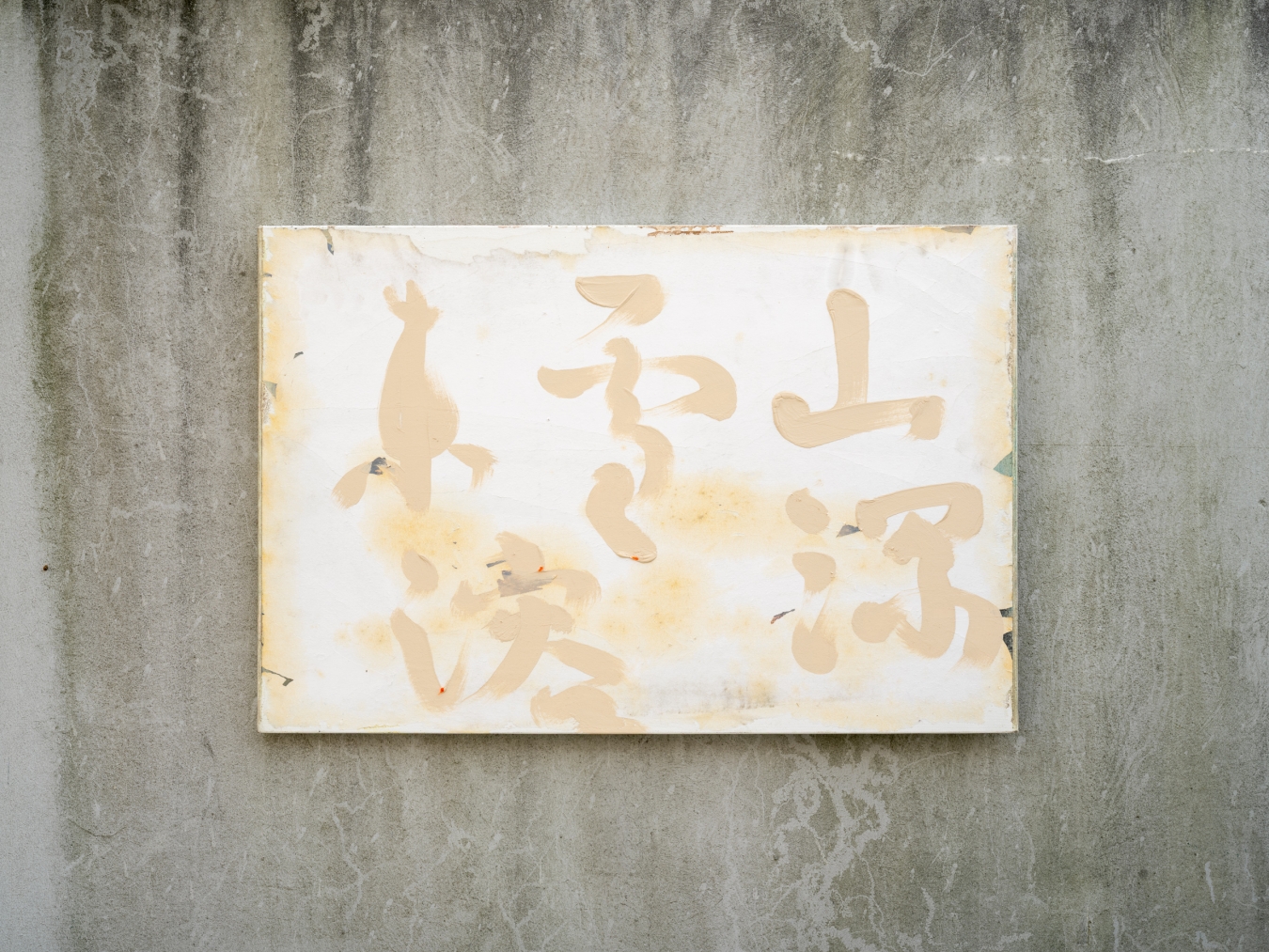
Dans la lignée de la tradition picturale sino-japonaise où la calligraphie et la peinture sont à l’origine une seule et même pratique, Naoki Sutter Shudo utilise des kanji dans ses tableaux. Mais son autodidaxie et son impertinence envers les règles ancestrales pourraient faire qualifier ces tableaux de calligraphie brut. Le choix des caractères renvoie à des notions ou des questions plutôt simples et plutôt existentielles, et leur style varie, étant parfois nonchalant ou malmené jusqu’à en devenir illisible. Le tableau est comme le portrait d’une notion qui le préoccupe et de son nom, plutôt qu’un exercice réel de la pratique.
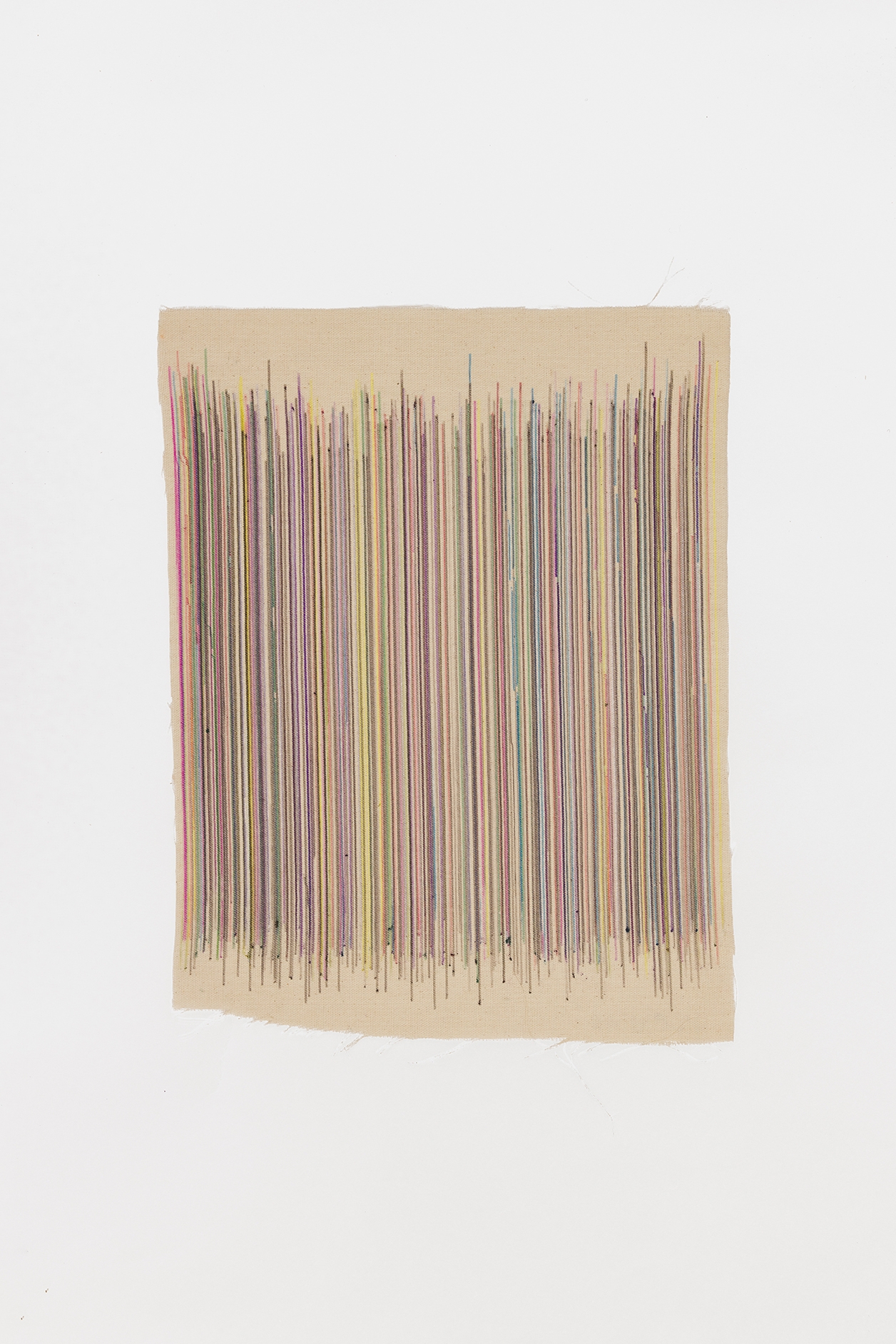
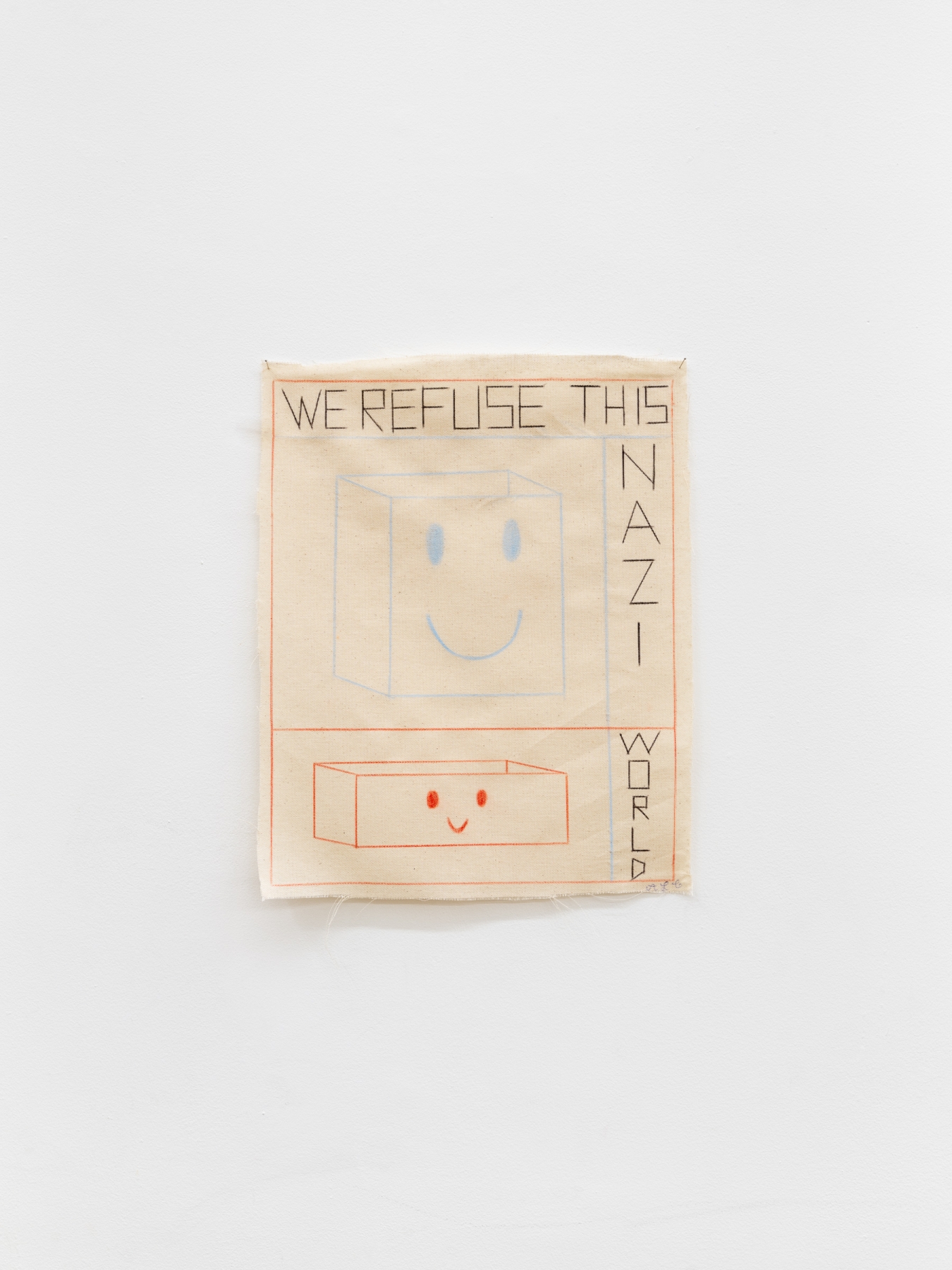
Anne-Lise Coste (Uruk) travaille aussi ses toiles par l’écriture. Poèmes ou mots répétés sont tagués rudimentairement à la bombe, souvent à répétition, parfois jusqu’à saturation. Plus récemment, des œuvres de petit format griffonnées au bic sont des prières adressées à la forêt, à l’eau, à l’aimée, ou de simples lignes tracées méditativement à main levée, comme le faisait Agnes Martin dans ses jours inspirés.
«Il n’est pas nécessaire d’être croyant pour trouver l’inspiration.
L’art ravive l’inspiration et éveille la sensibilité,
c’est là sa fonction.»7
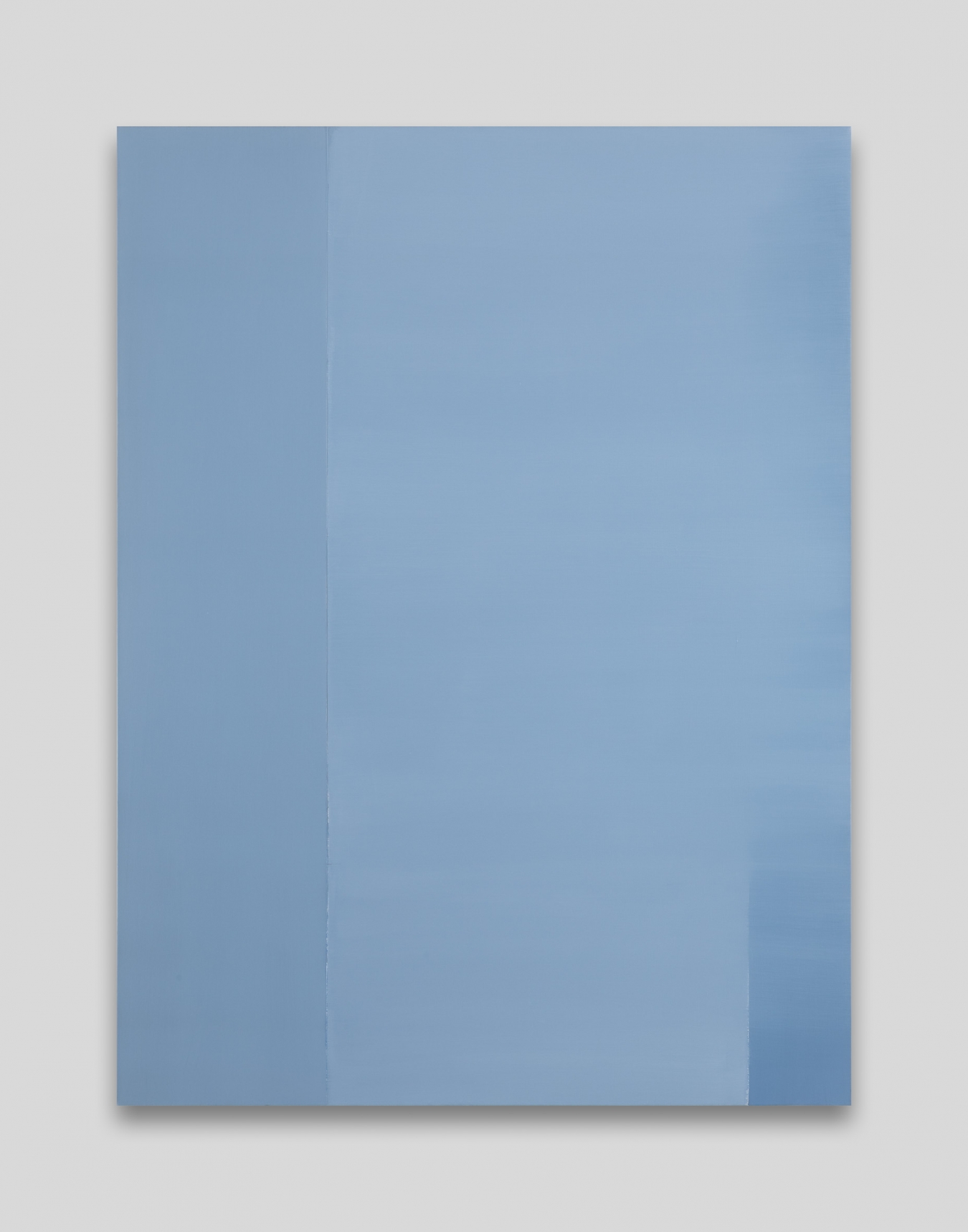
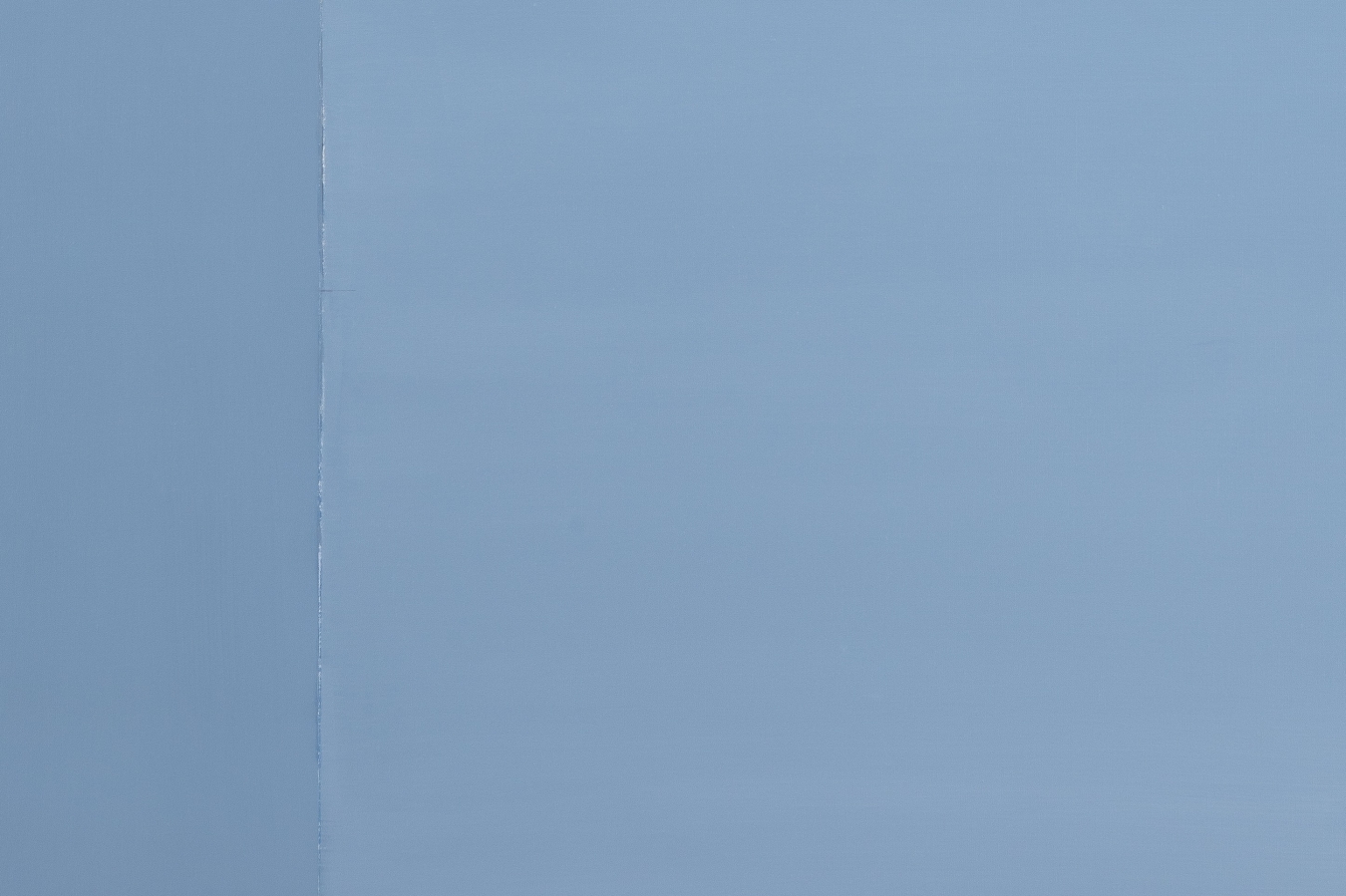
Geneviève Asse non plus ne travaillait pas quand l’inspiration ne lui venait pas. C’est souvent une seule ligne ou deux qui traversent orthogonalement son champ bleu, parfois interrompues dans leur course ou se croisant. Ces toiles captent quelque chose de l’espace, de la lumière, venu de la contemplation méditative favorisée par le retrait de sa maison dans le golfe du Morbihan.
« L’idée, c’est l’indépendance et la solitude ;
il n’y a rien de religieux dans ma retraite.»8
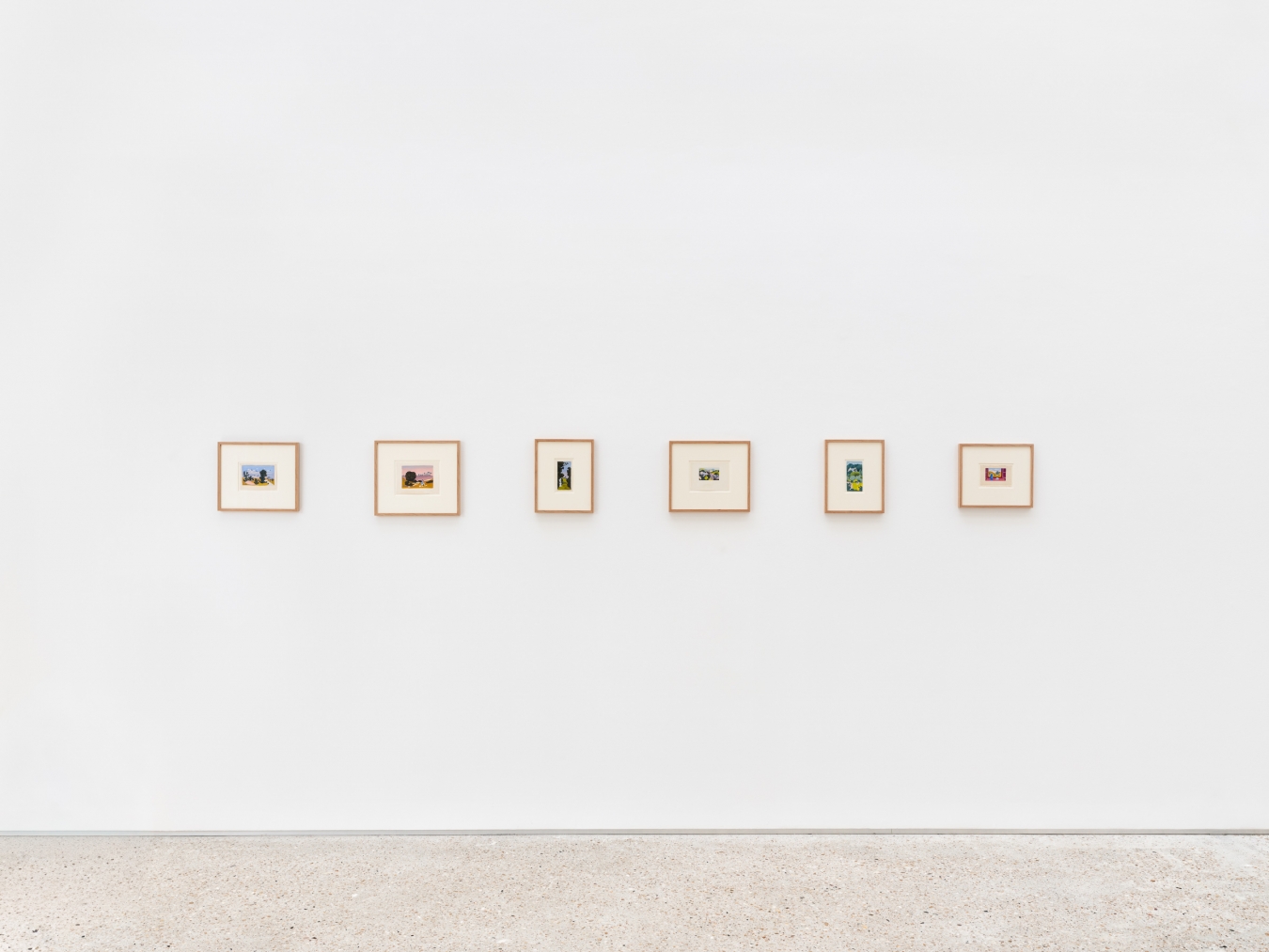
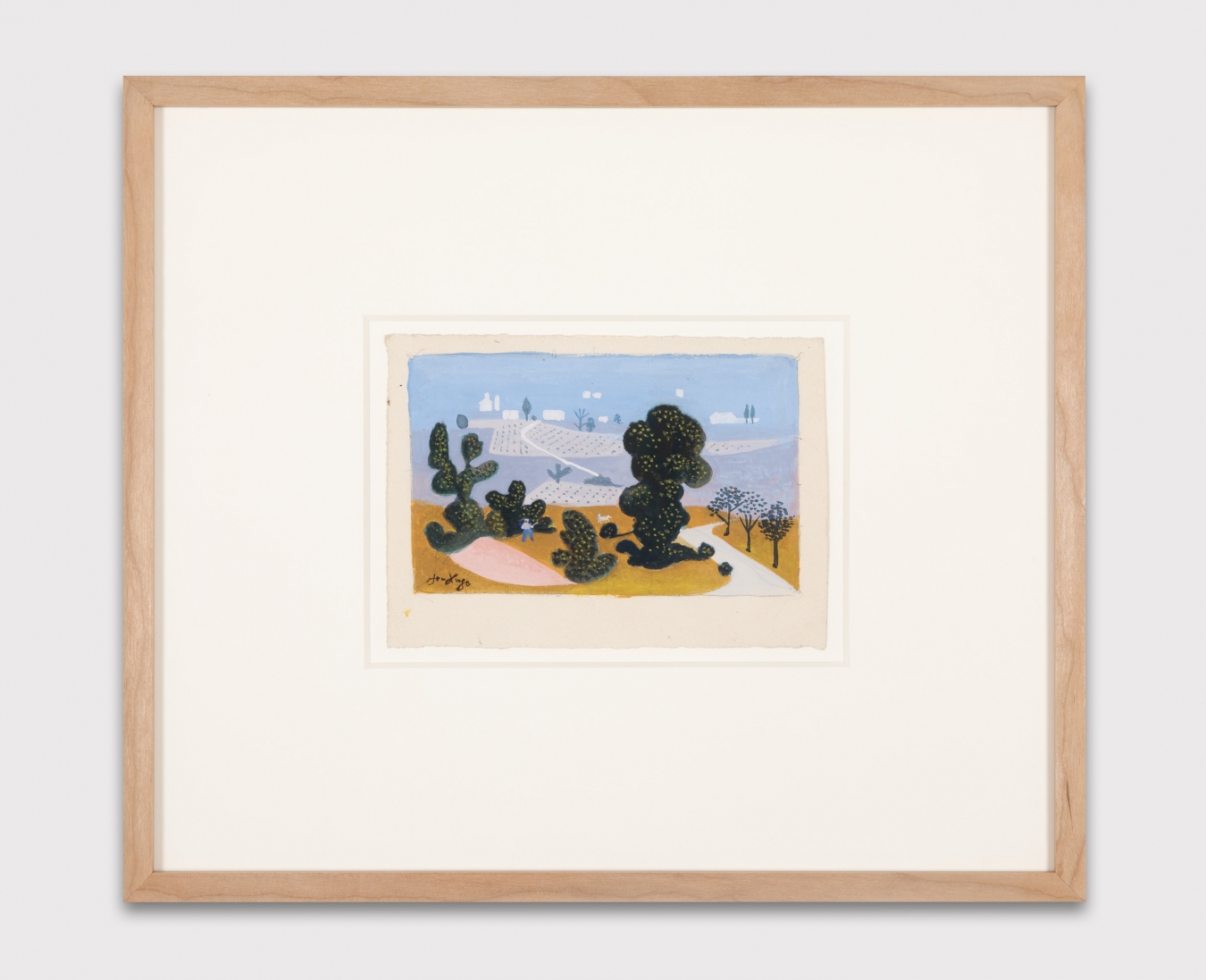
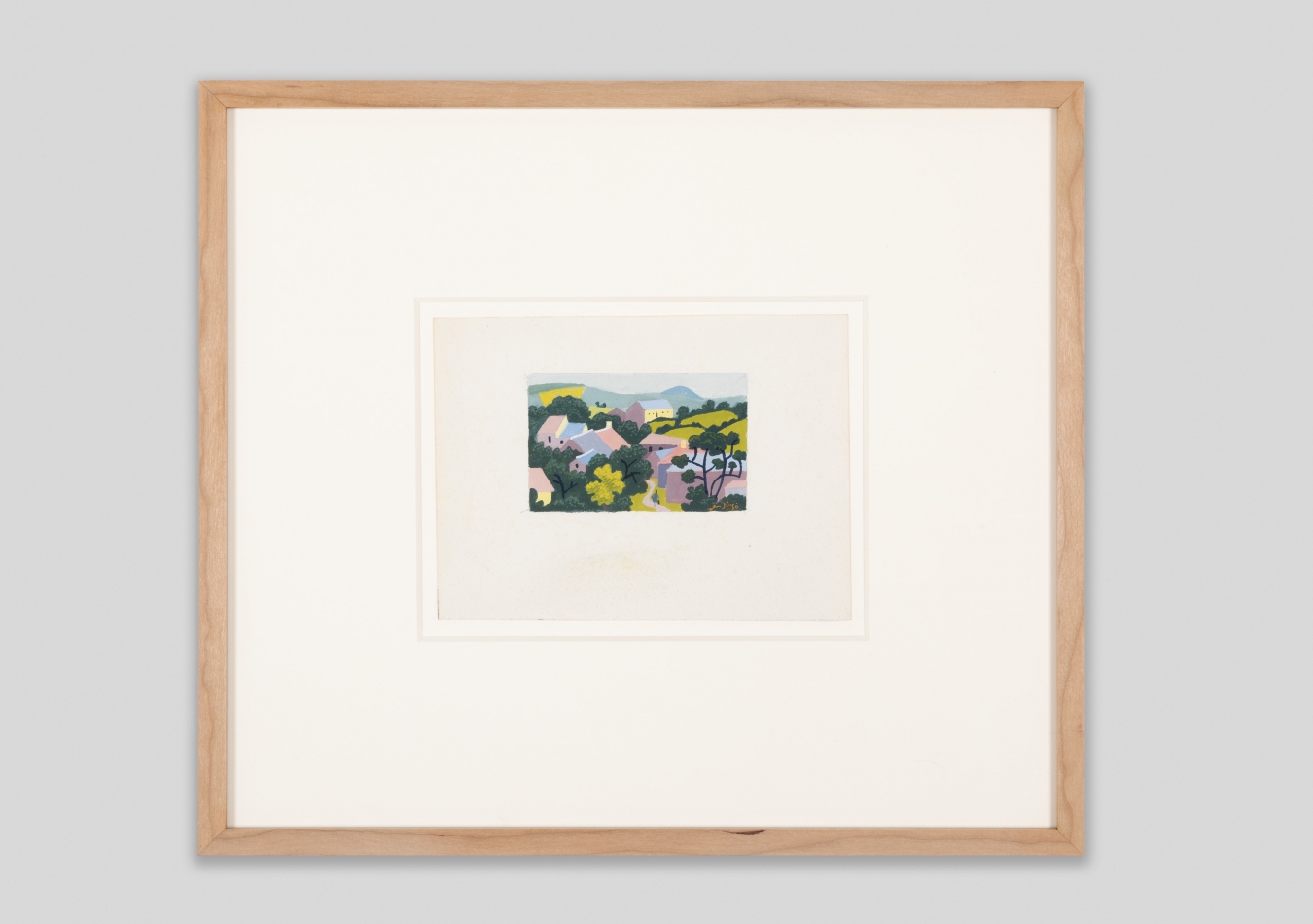
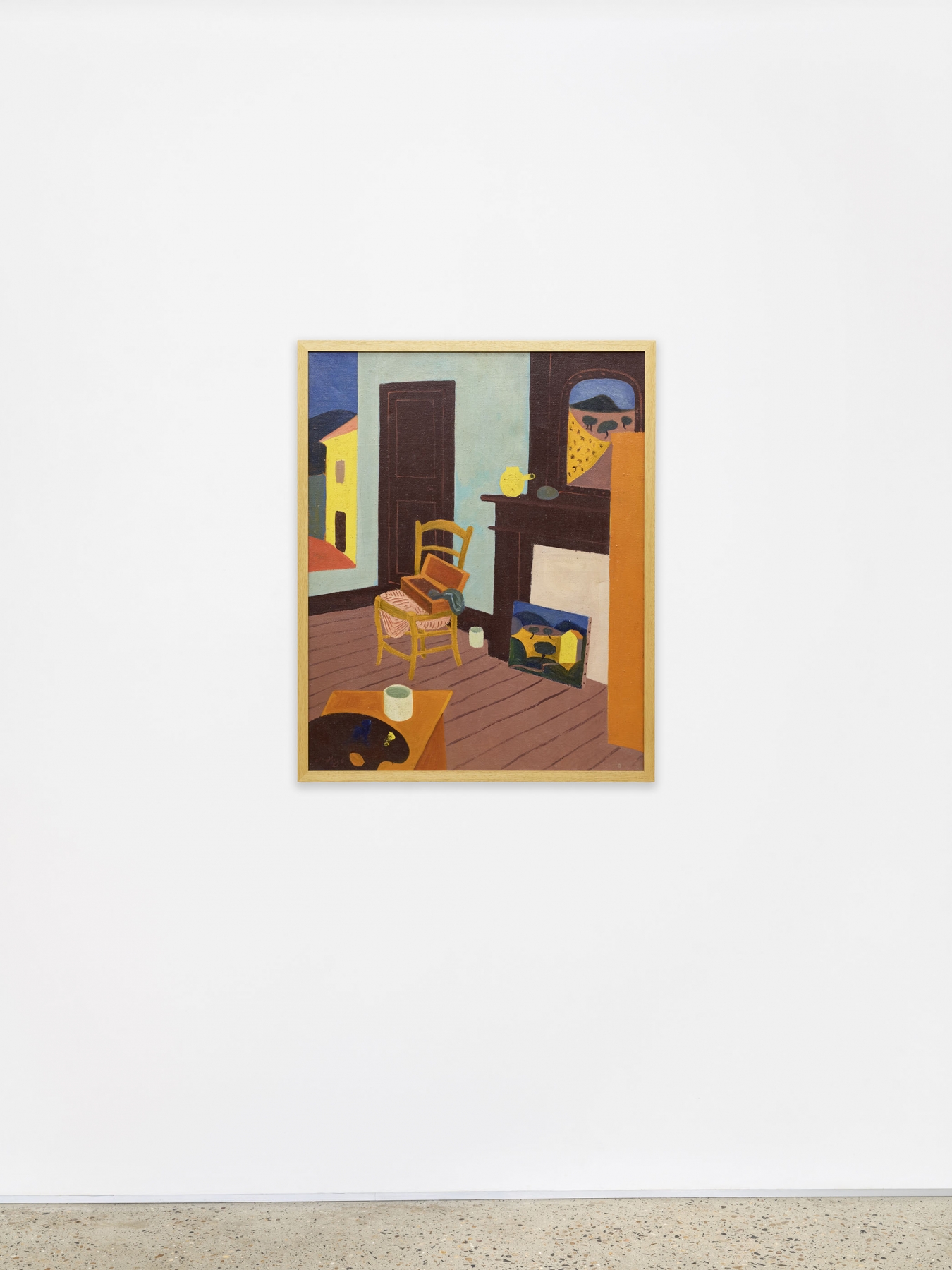
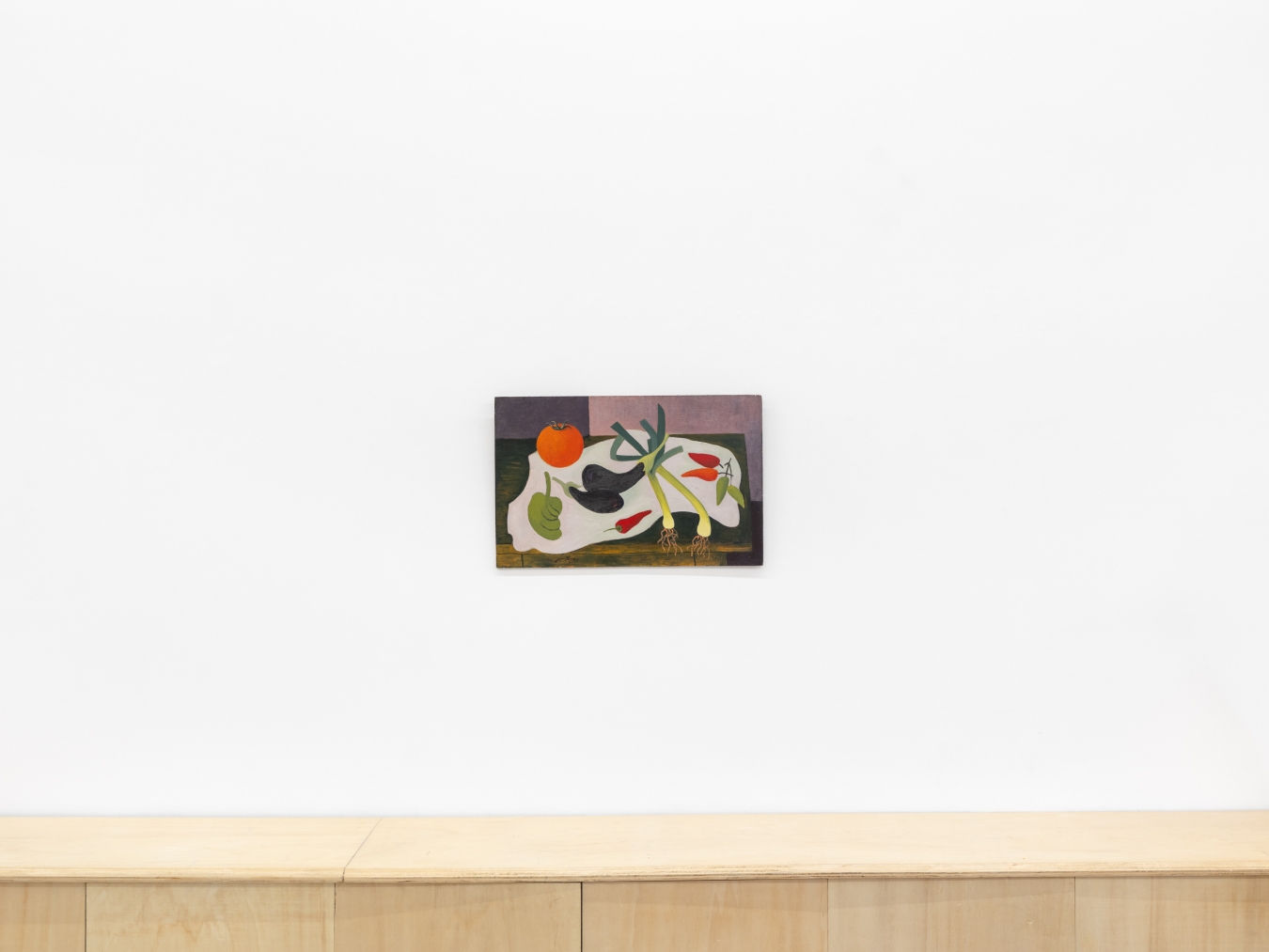
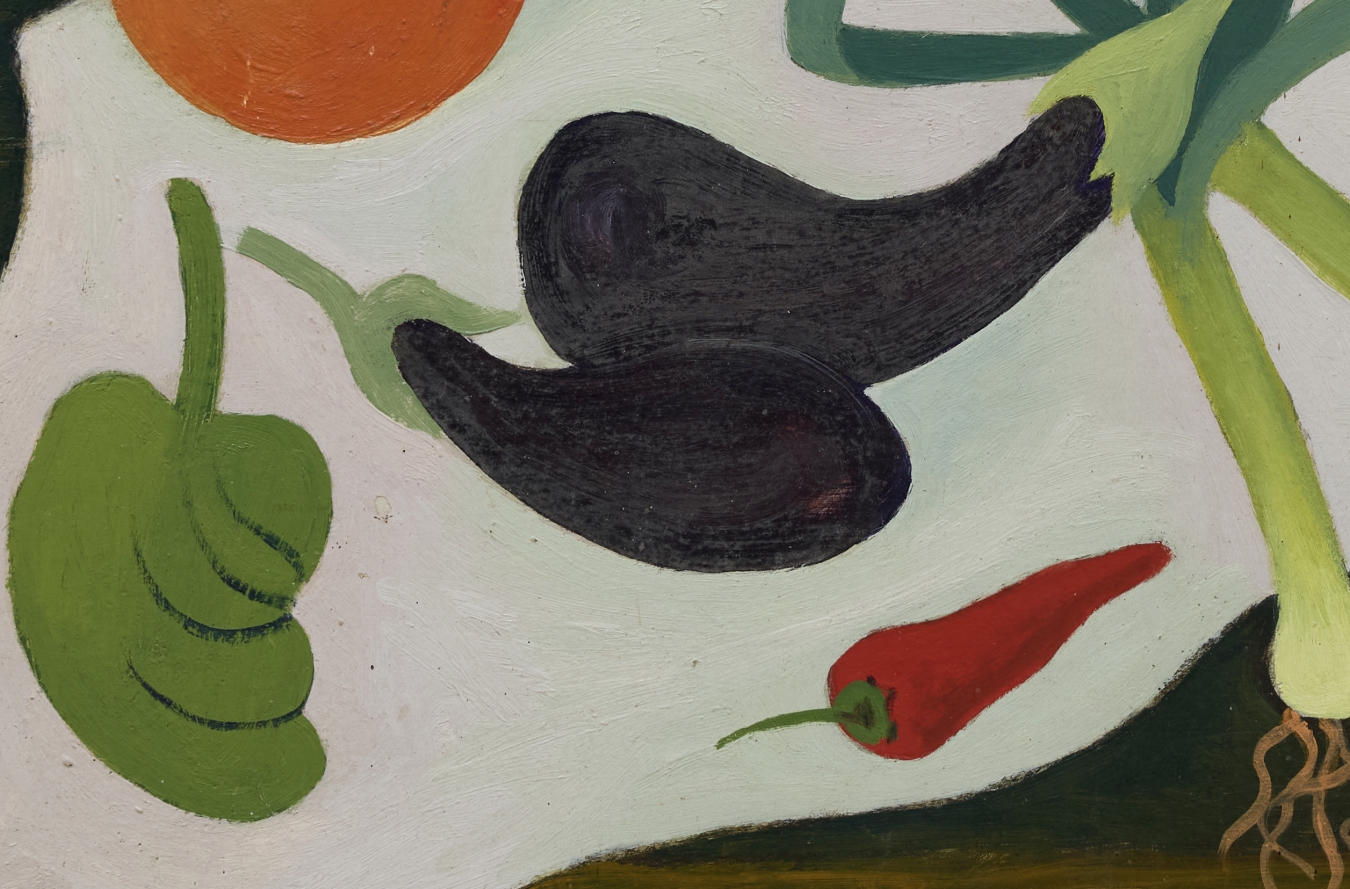
Chez Jean Hugo le besoin du retrait qui favorise le temps long, la contemplation voire le recueillement est ouvertement pieux. Il quitta Paris et la bande la plus cool de la ville pour aller dans le sud peindre des paysages empreints de ferveur. Si certaines scènes étaient d’iconographie explicitement chrétienne, il n’y a pas vraiment de différence de traitement pour une assiette de fruits ou une chaise qui traîne dans son atelier. Rilke écrit sur les pommes et les bouteilles de Cézanne : « de ces choses, il fait ses “ saints” ; et il force ces choses à être belles, à signifier tout l’univers, tout le bonheur et toute la magnificence du monde »9
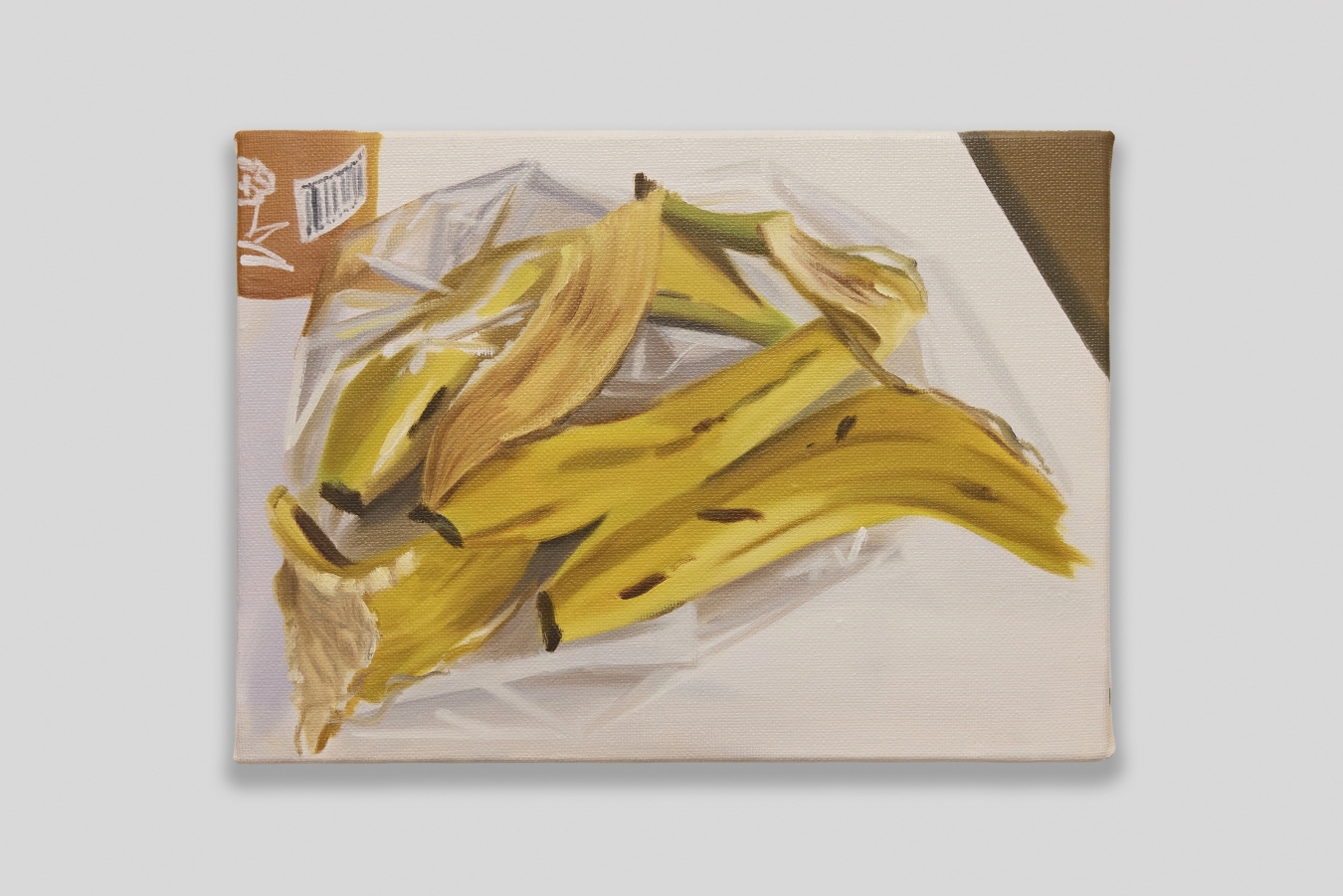
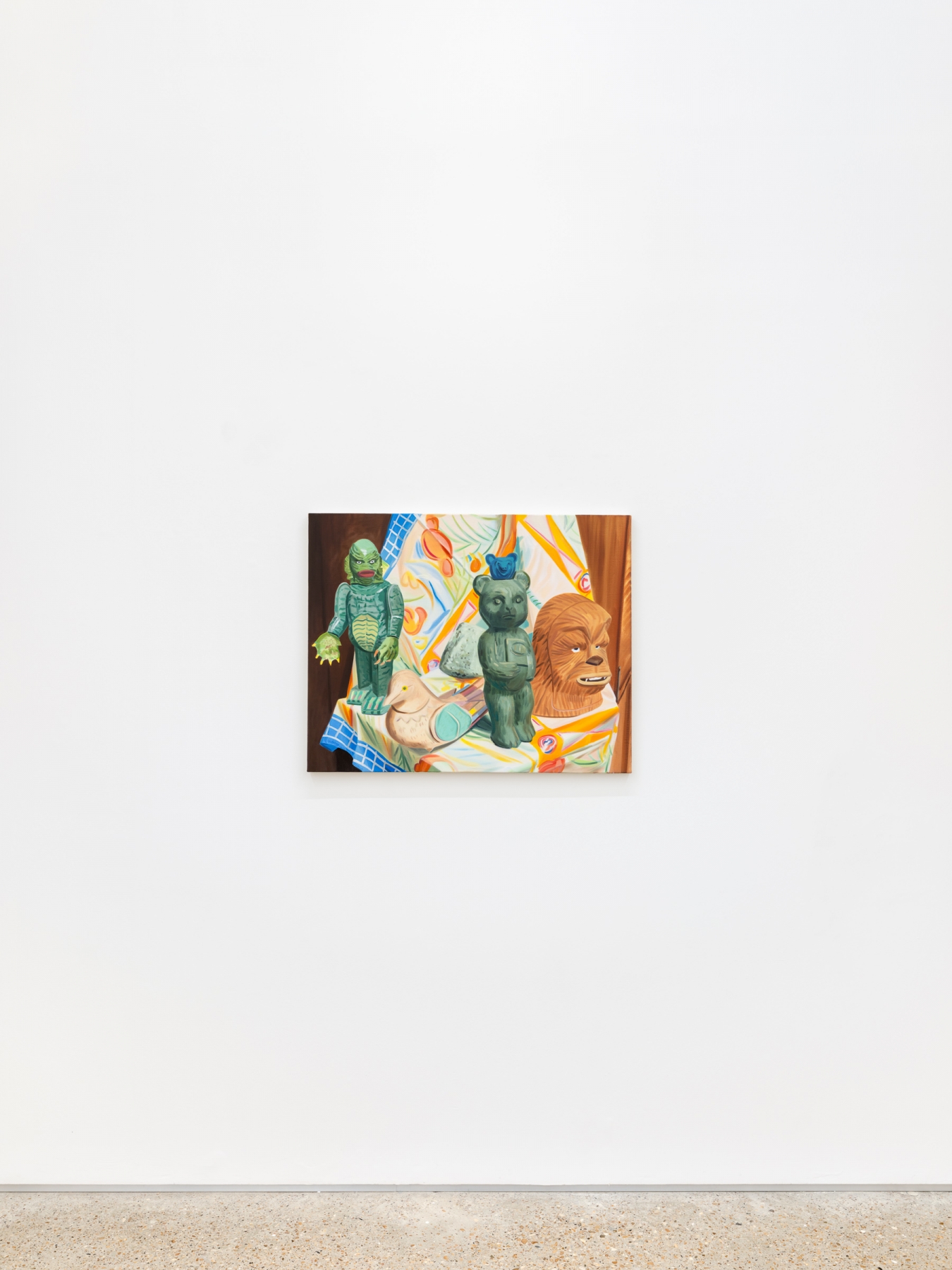
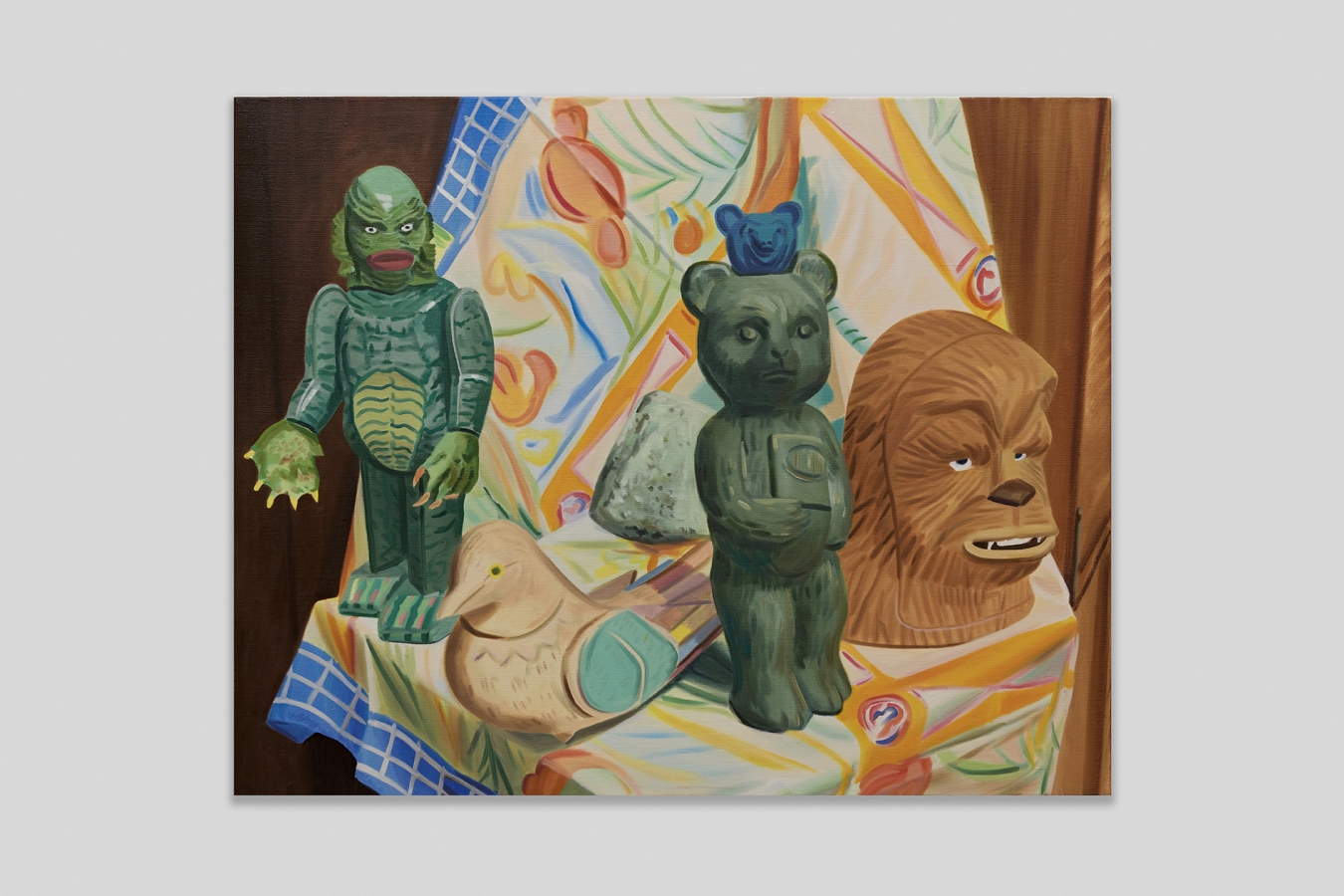
Peut-être Ulala Imai fait-elle des saints des jouets et peluches dont elle constitue de petites armées de tableaux, ou juste des esprits, dans une tradition animiste. « On dit que les enfants ne font pas la distinction entre les objets vivants et inanimés ; je crois au contraire que si. Un enfant fait don à sa poupée ou à son soldat de plomb d’un souffle de vie magique. L’artiste anime ses œuvres de la même façon que l’enfant anime ses jouets. »10
Ou peut-être ce n’est qu’un simple hommage tendre qui est rendu à quelques peaux de bananes, vestiges du chaos du matin, après le départ des enfants pour l’école.
« Peindre, c’est se remettre à aimer. Pour voir comme le peintre voit, il faut regarder avec les yeux de l’amour. Son amour à lui n’a rien de possessif : le peintre est obligé de partager ce qu’il voit. Le plus souvent, il nous fait voir et sentir ce que nous ignorons ou ce contre quoi nous nous sommes immunisés. Sa manière d’approcher le monde vise à nous dire que rien n’est vil ou hideux, rien n’est banal, plat ou indigeste si ce n’est notre propre puissance de vision. »11
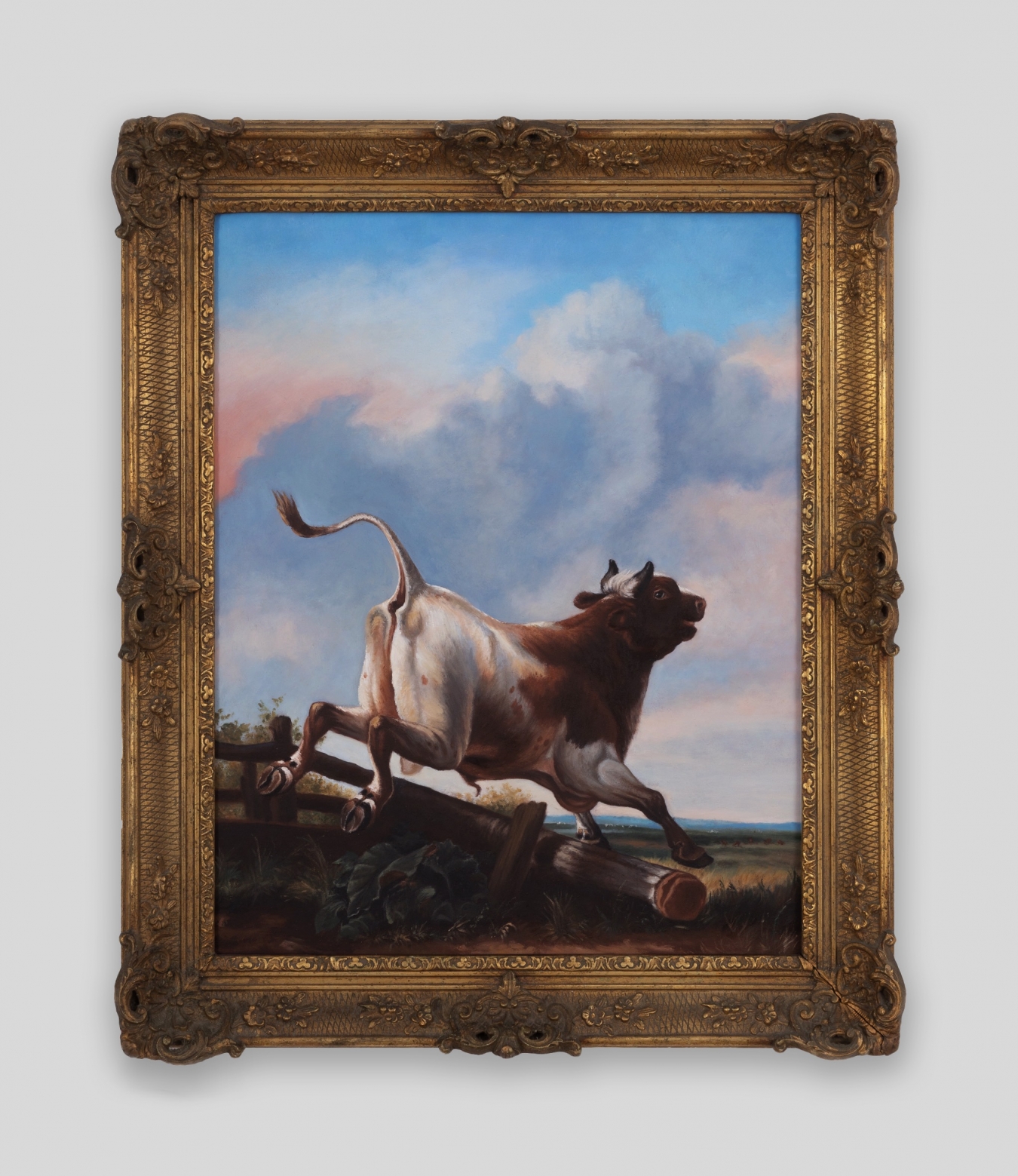
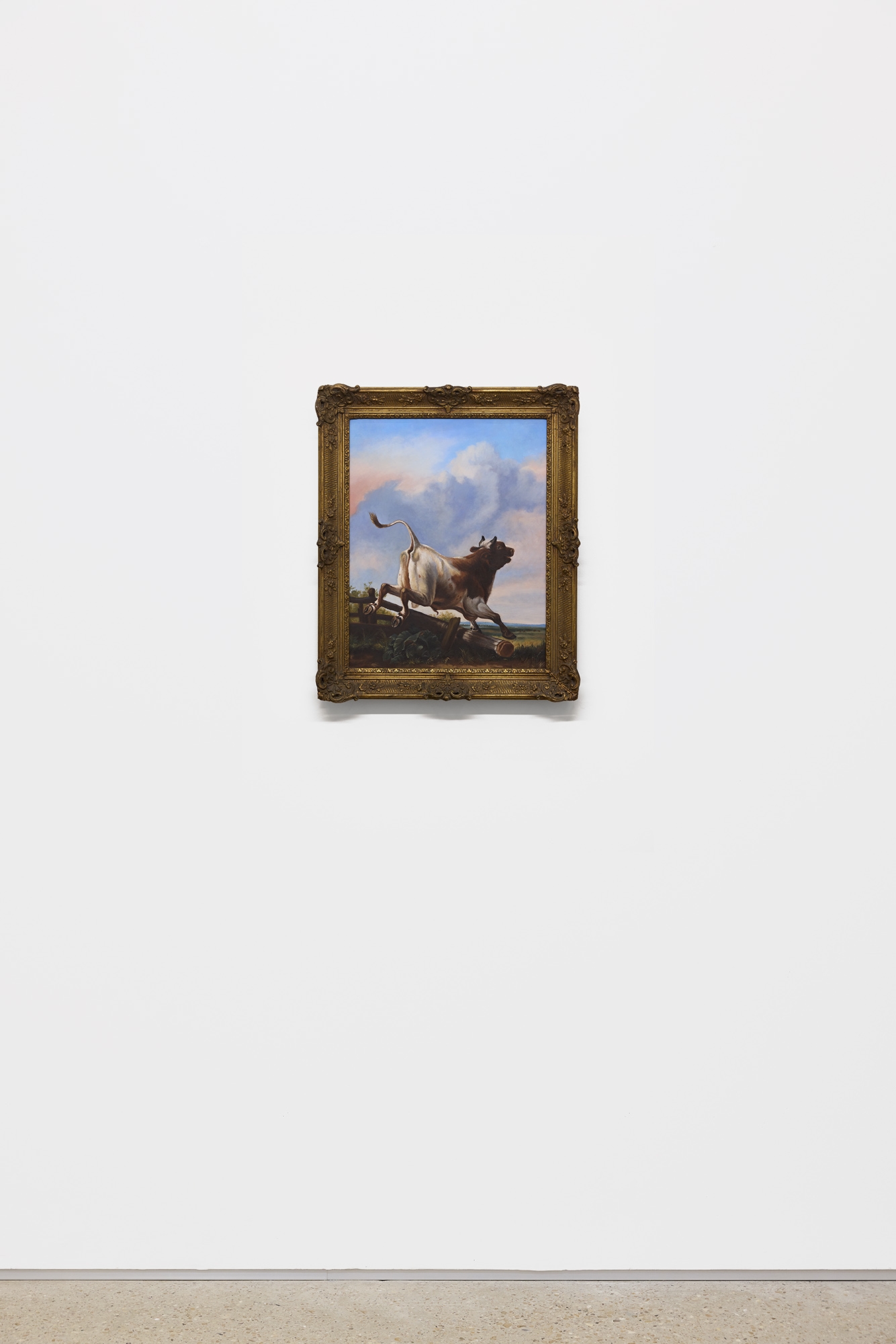
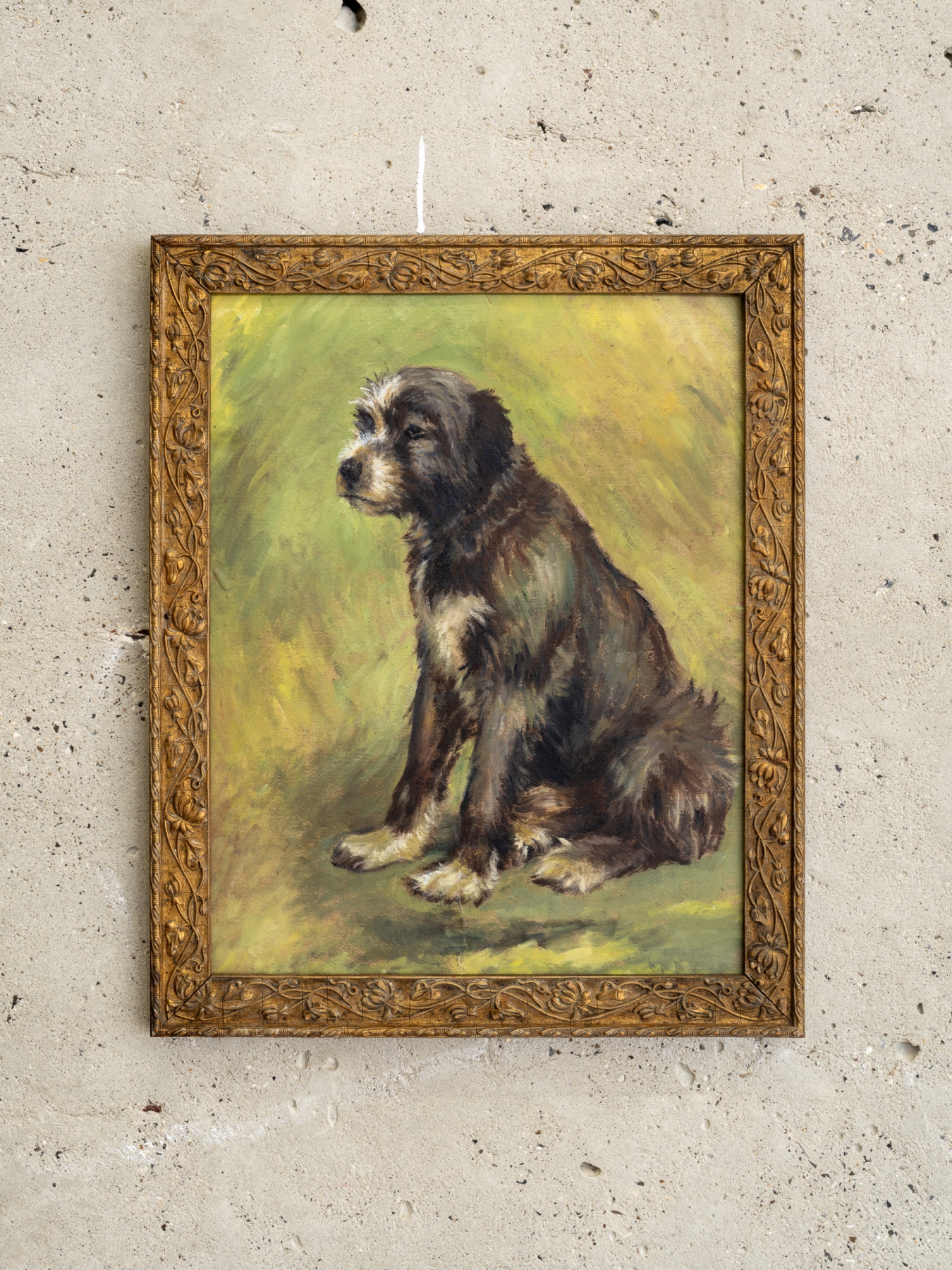
Rosa Bonheur ne s’est jamais lassée du sujet “mineur” de la peinture animalière, bousculant ainsi la hiérarchie des genres en peinture, et celle des genres sociaux en s’imposant comme femme aux premières loges de tous les honneurs de carrière. Son style du plus convenu réalisme l’ayant faite rechercher et décorer par les régimes successifs de son siècle mouvementé, Rosa Bonheur est loin d’un Courbet renversant la colonne Vendôme. Mais quelle est la part de hasard du milieu et du tempérament dans ce qui fait que le style et le goût que le peintre développe d’instinct heurtent ou non ses contemporains ? «Si l’homme a quelque chose à donner à l’art, c’est lui-même, et ce qu’il emprunte au-dehors, il est nécessaire que cela renaisse en lui. Mais si vous négligez le souffle divin qui doit faire vibrer votre toile, alors vous n’avez rien senti et votre œuvre restera inerte.» dit-elle12.
Van Gogh n’écrit-il pas d’un ton moins doctoral des choses tout-à-fait similaires dans ses lettres ? Ne faisaient-ils pas la même chose, avec un tempérament et une vision différemment appréciables de leur temps ? On peut toujours refuser les décorations. Mais c’est une question pour plus tard. À l’atelier, “le sanctuaire” 13 c’est autre-chose qui se joue.
«Peindre, c’est se remettre à aimer, et aimer c’est vivre intensément. Mais quelle sorte d’amour, quelle sorte de vie peut-on espérer trouver dans un vide encombré de tous les instruments imaginables, de tous les profiteurs possibles, du dernier confort en date, de tous les luxes inutiles? Vivre et aimer et exprimer cela par la peinture implique qu’on soit aussi un vrai croyant. Mais alors il faut quelque chose à adorer. » 14
Dans une époque où la haine regagne tant de terrain, continuer à peindre demande une certaine forme de foi, et peindre avec amour est une position. Le choix de l’objet importe peu et appartient à chacun(e). Les termes de foi et de religion sont corrompus par les dogmes et il est valable de les rejeter. Mais l’existence du sentiment précède leur invention et lui survit, il a donné naissance aux premières manifestations de ce que nous nommons « art » et est peut-être plus que jamais d’actualité.
« Face à face avec un monde fondé sur un matérialisme brutal où tout s’évalue en fonction du bien-être matériel et où la religion, après avoir perdu beaucoup de terrain, n’est plus la grande dispensatrice de valeurs spirituelles, [ … ] je crois qu’aujourd’hui plus que jamais l’artiste a cette mission para-religieuse à remplir : maintenir allumée la flamme d’une vision intérieure dont l’œuvre d’art semble être la traduction la plus fidèle pour le profane. »15
Louise Sartor
1 - Je recommande la lecture du texte par lui-même, disponible sur YouTube.
https://youtu.be/uJ2tBIal0cw?si=f1wqfj3SfyzJiUa8
2 - Henry Miller, To Paint is to Love Again, 1960
3 - ibid.
4 - Jean Dubuffet, Prospectus et tous écrits suivants, 1967
5 - Pierre Bourdieu, Questions sur l’art pour et avec les élèves d’une école mise en question, 2001
6 - Voir le documentaire The No Name Painting Association, de Rene Balcer et Joe Griffin, disponible sur Youtube.
https://www.youtube.com/watch?v=uJQsZecXe3s
7 - Agnes Martin, The Untroubled Mind, 1973.
8 - ibid.
9 - Rainer Maria Rilke, Lettres sur Cézanne, 1907
10 - Patti Smith, Just Kids, 2010
11 - Henry Miller, To Paint Is to Love Again, 1960
12 - Rosa Bonheur & Anna Klumpke, Souvenirs de ma vie, 1908
13 - ibid.
14 - Henry Miller, To Paint Is to Love Again, 1960
15 - Marcel Duchamp, Duchamp du signe, 1960
 Loading
  Loading
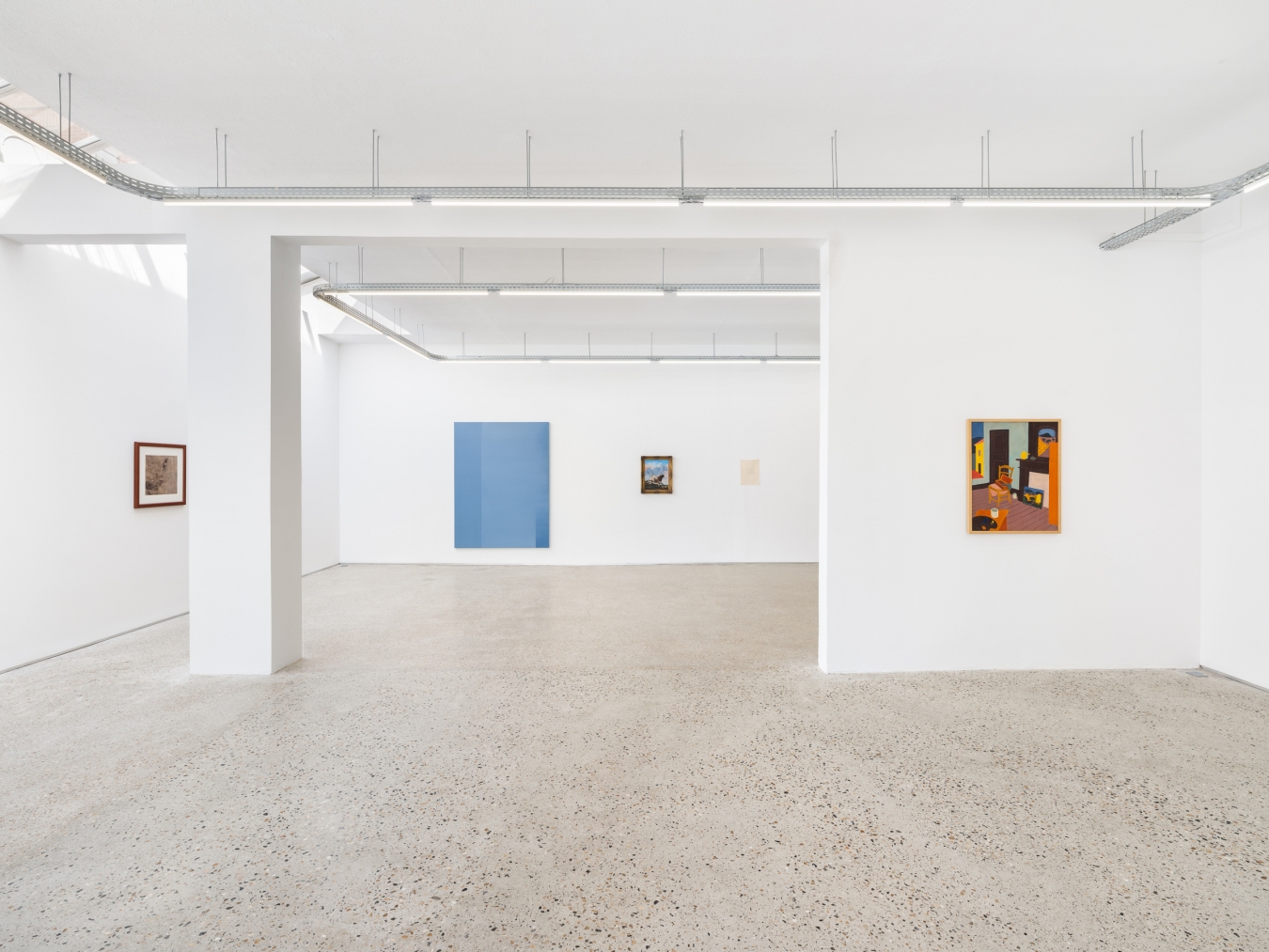
 Exhibition view, To Paint is to Love Again, Crèvecœur, Paris, 2026.
 Loading
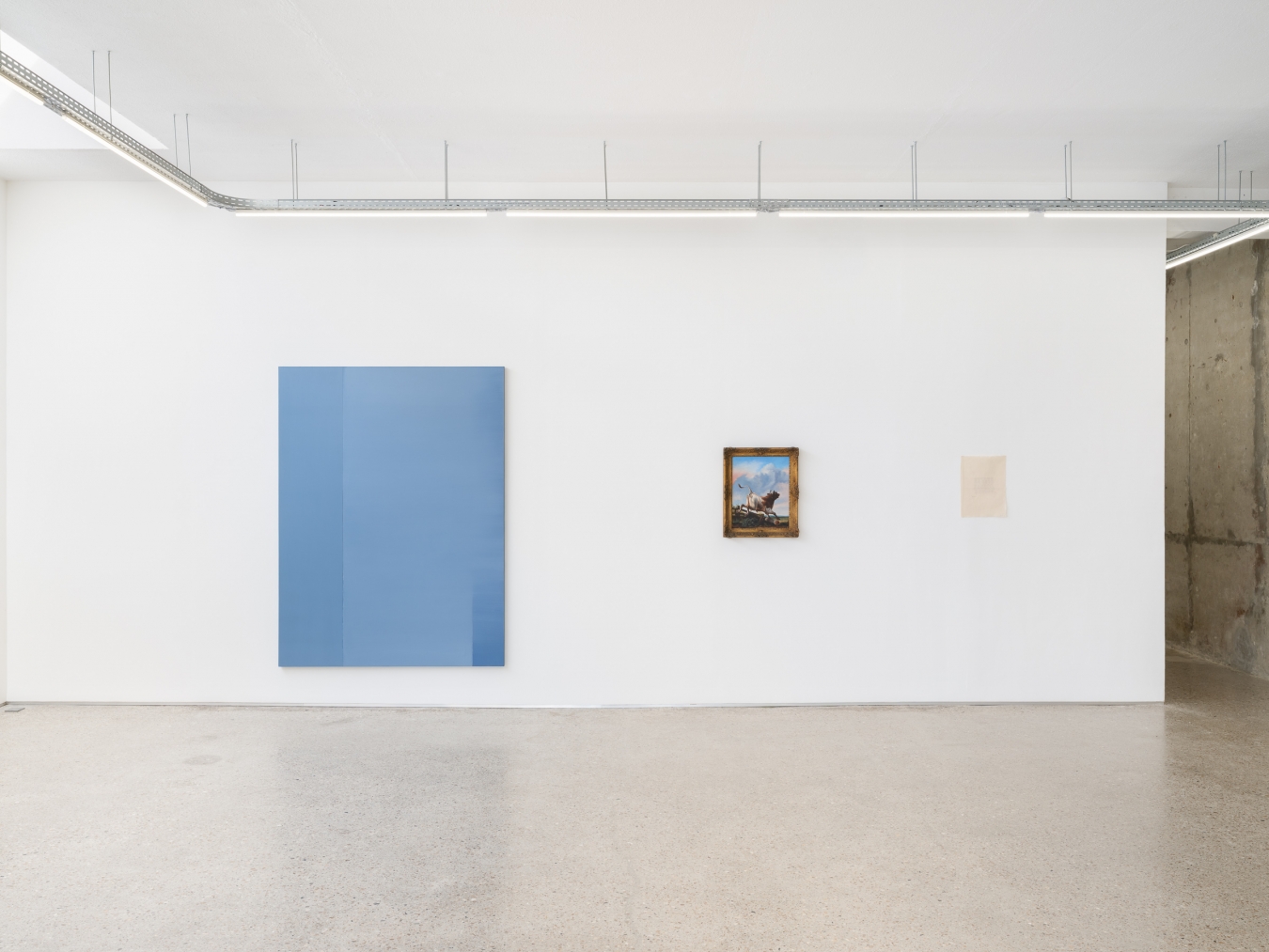
 Exhibition view, To Paint is to Love Again, Crèvecœur, Paris, 2026.
 Loading
 Geneviève Asse, Composition, 2000, oil on canvas, 200 × 150 cm.
 Loading
 Geneviève Asse, Composition, 2000, oil on canvas, 200 × 150 cm. (detail)
 Loading
 Louise Sartor, Jeune taureau sautant la barrière (d’après Rosa Bonheur), 2026, oil on panel and vintage frame, 60 × 50,5 cm (framed).
 Loading
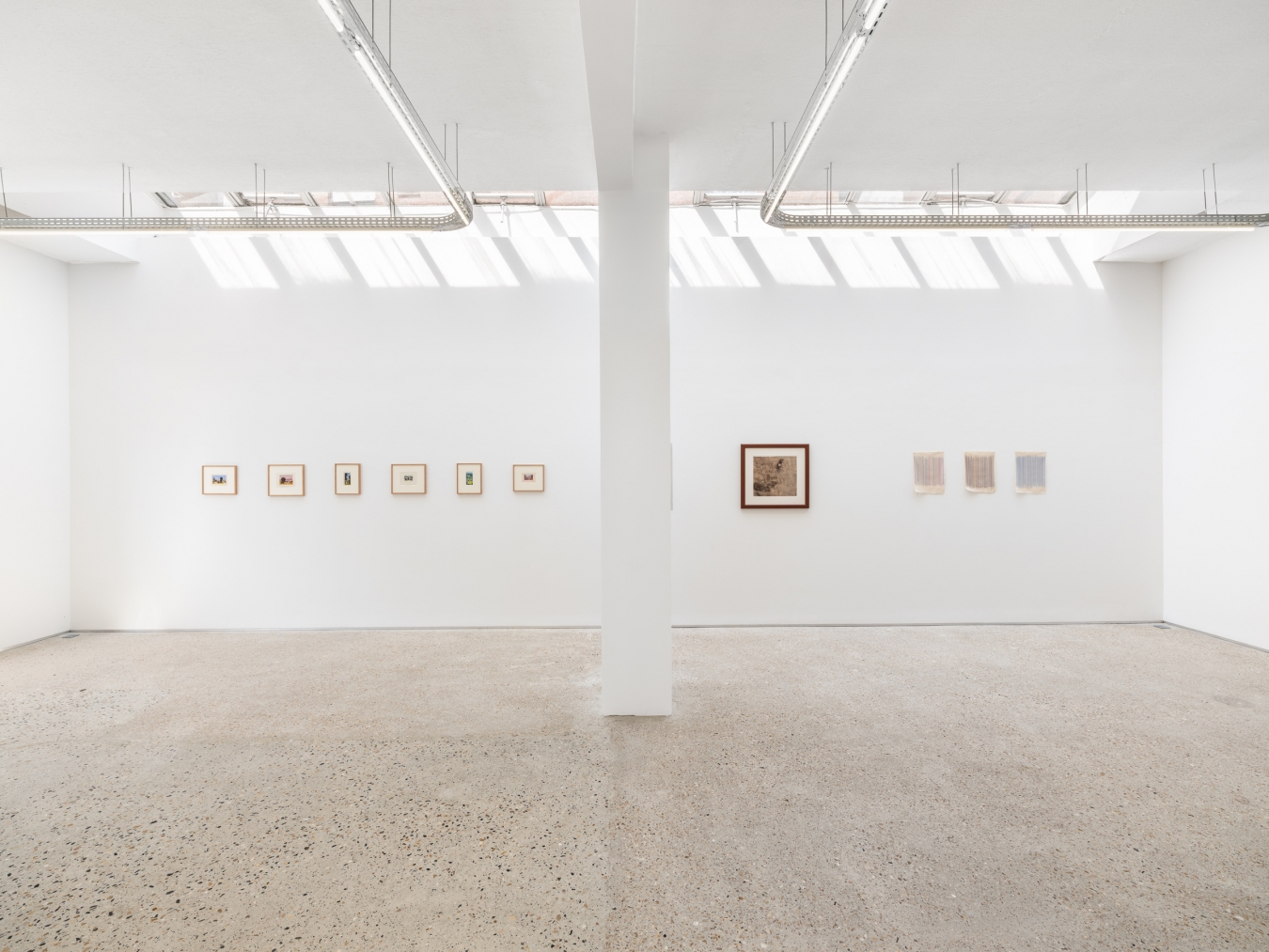
 Exhibition view, To Paint is to Love Again, Crèvecœur, Paris, 2026.
 Loading
 Exhibition view, To Paint is to Love Again, Crèvecœur, Paris, 2026.
 Loading
 Jean Hugo, Paysage au chasseur, 1970, gouache on paper, 10,6 × 14,8 cm.
 Loading
 Jean Hugo, Aveyron, c.1975, gouache on paper, 11,2 × 15,3 cm.
 Loading
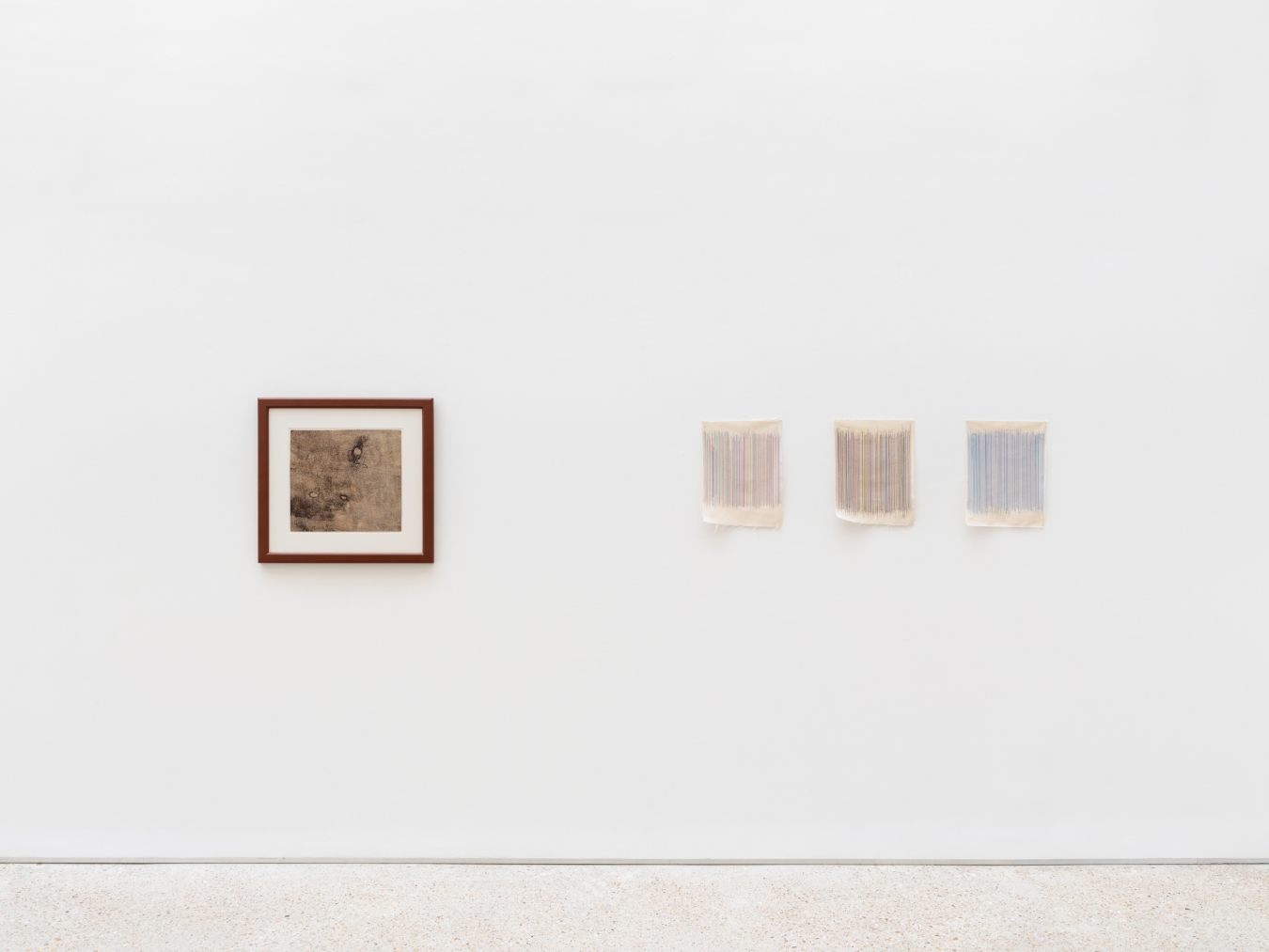
 Exhibition view, To Paint is to Love Again, Crèvecœur, Paris, 2026.
 Loading
 Jean Dubuffet, Jalonnements, 1958, gouache on paper, 38 × 42 cm.
 Loading
 Anne-Lise Coste (Uruk), Believe in the power of love 2, 2026, pen on raw canvas, 39 × 30 cm.
 Loading
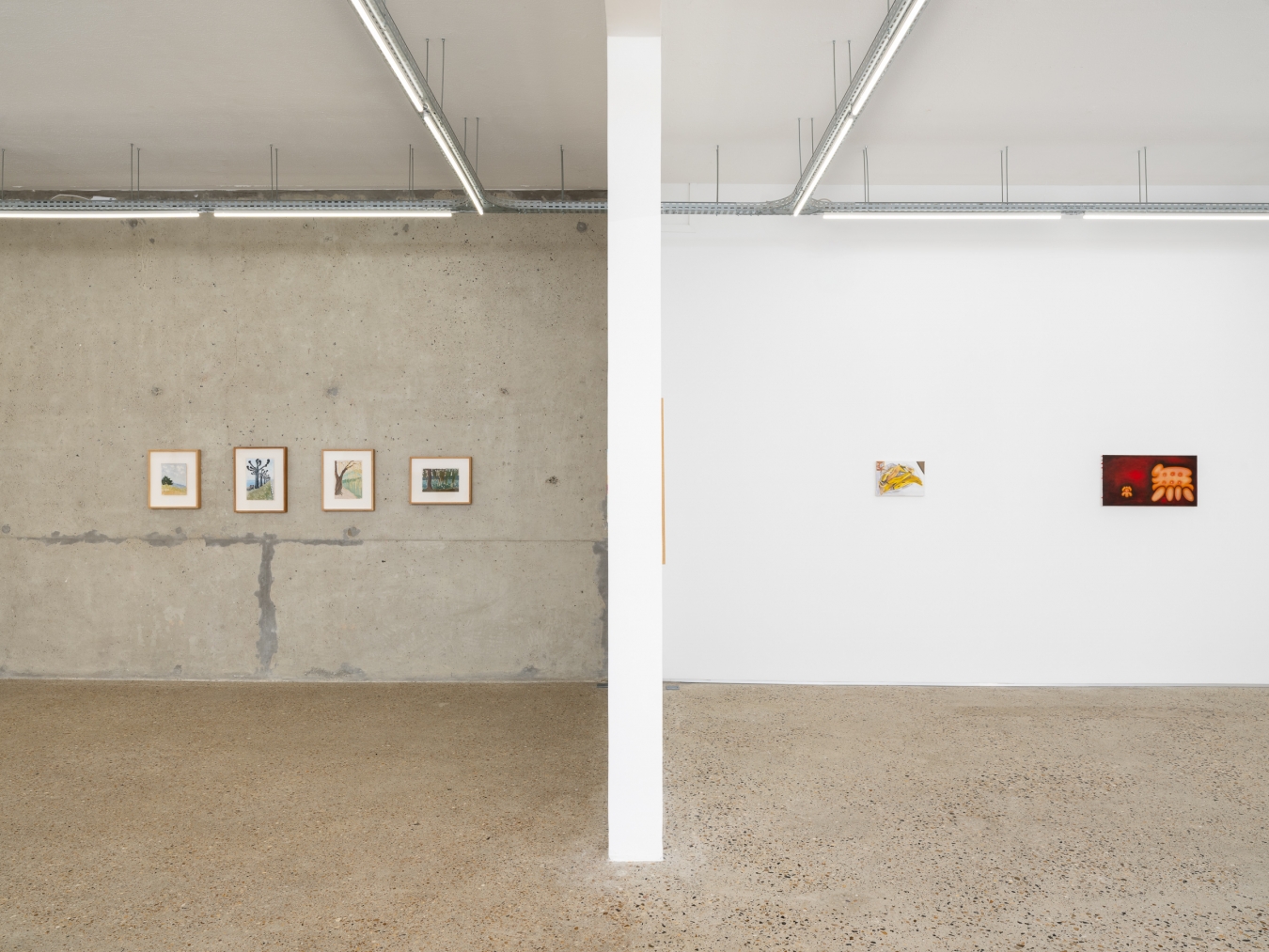
 Exhibition view, To Paint is to Love Again, Crèvecœur, Paris, 2026.
 Loading
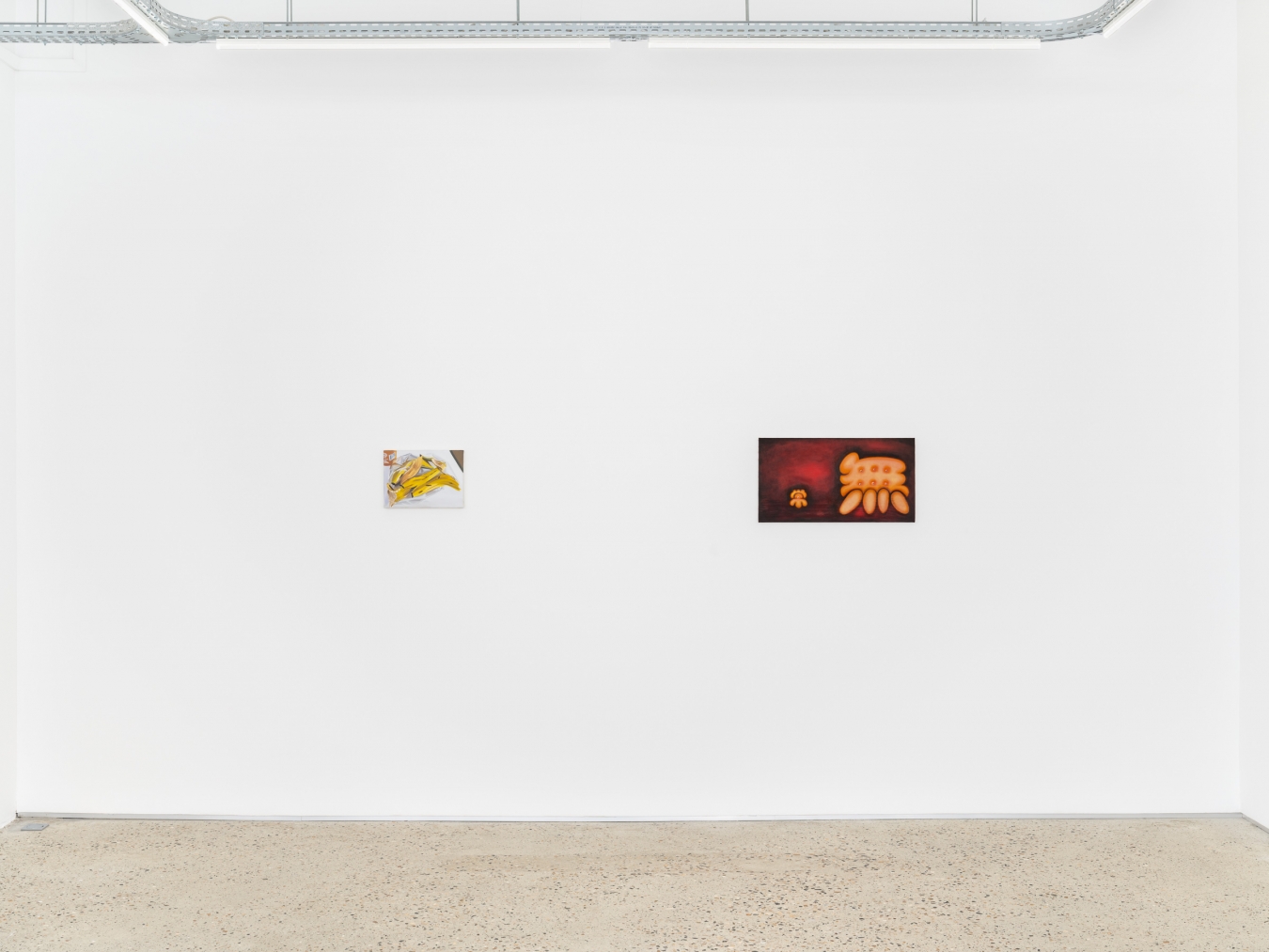
 Exhibition view, To Paint is to Love Again, Crèvecœur, Paris, 2026.
 Loading
 Naoki Sutter-Shudo, 無常 (Impermanence), 2026, oil and enamel on canvas, 35,5 × 66 cm.
 Loading
 Naoki Sutter-Shudo, 無常 (Impermanence), 2026, oil and enamel on canvas, 35,5 × 66 cm. (detail)
 Loading
 Ulala Imai, Bananas, 2025, oil on canvas, 24,2 × 33,3 cm.
 Loading
 Jean Hugo, L’atelier, 1957, oil on canvas, 81 × 65 cm.
 Loading
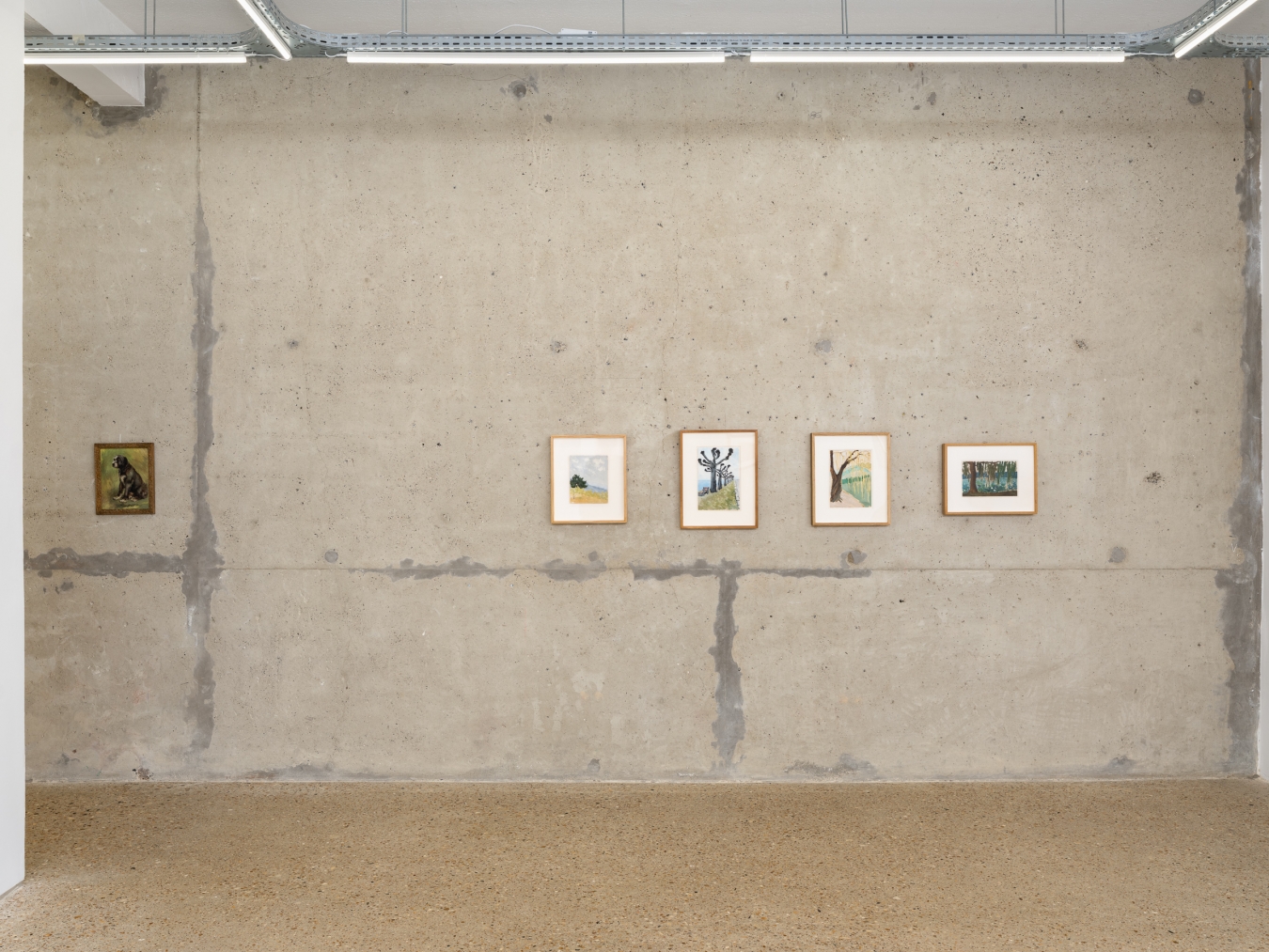
 Exhibition view, To Paint is to Love Again, Crèvecœur, Paris, 2026.
 Loading
 Li Shan, Fingers (Geneva, Switzerland), 2019, oil on paper, 29.5 × 19.5 cm.
 Loading
 Li Shan, Untitled, c. 1970, oil on cardboard, 27 × 19.5 cm.
 Loading
 Louise Sartor, Chien de berger, assis (D’après Rosa Bonheur), 2026, oil on cardboard and vintage frame, 33,5 × 27,5 cm (framed)
 Loading
 Naoki Sutter-Shudo, 夜型左翼 (Gauchiste nocturne), 2026, oil and enamel on canvas, 45,5 × 81 cm.
 Loading
 Jean hugo, Aubergines, piments et poireaux, c. 1970, oil on board, 55 × 35 cm.
 Loading
 Jean hugo, Aubergines, piments et poireaux, c. 1970, oil on board, 55 × 35 cm. (detail)
 Loading
 Exhibition view, To Paint is to Love Again, Crèvecœur, Paris 2026.
 Loading
 Ulala Imai, Somewhere, 2025, oil on canvas, 72,7 × 91 cm.
 Loading
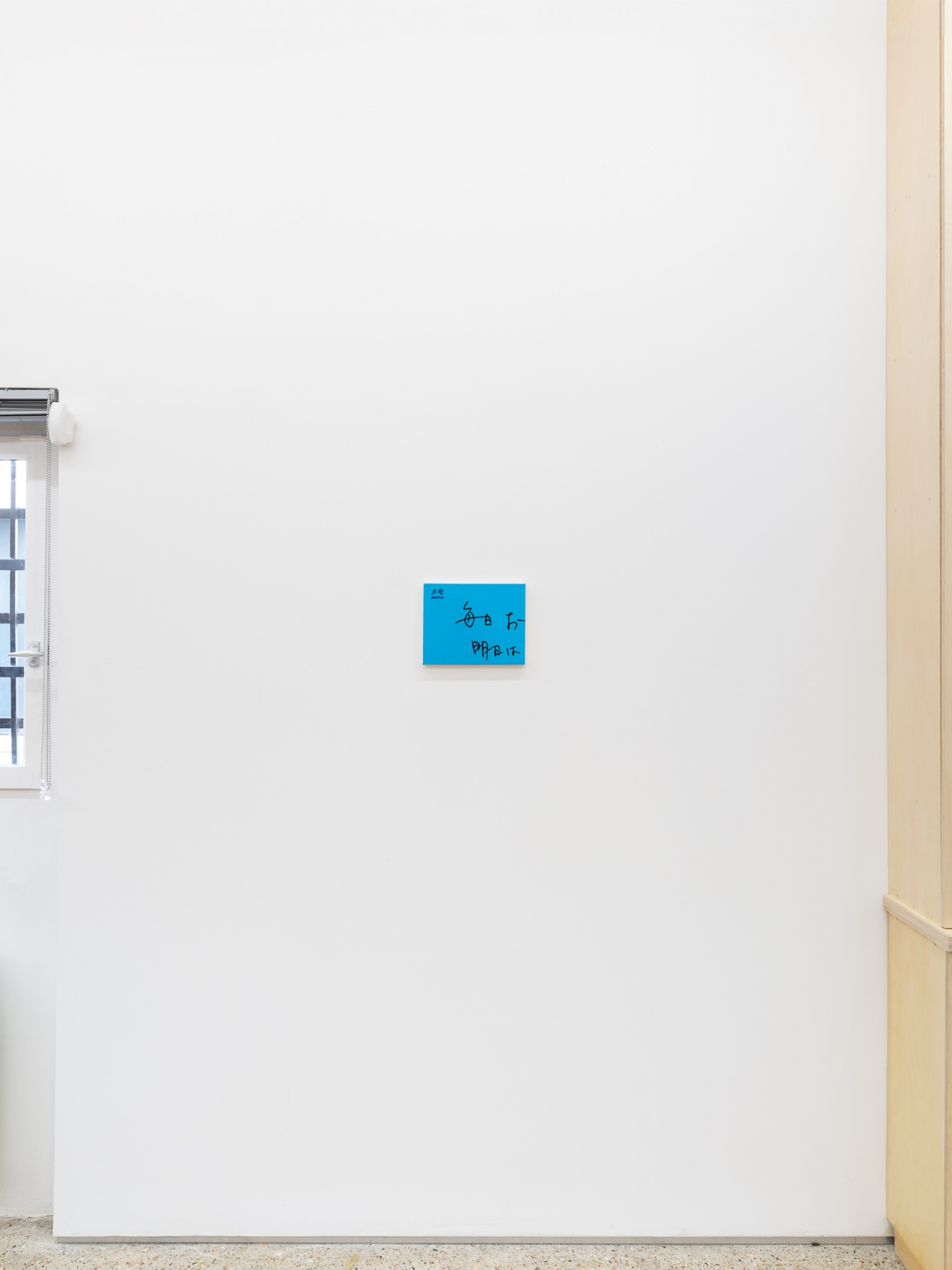
 Exhibition view, To Paint is to Love Again, Crèvecœur, Paris, 2026.
 Loading
 Naoki Sutter-Shudo, Memo, 2025, oil and enamel on canvas
 Loading
 Anne-Lise Coste (Uruk), WE REFUSE THIS NAZI WORLD, 2026, pen and pencil on raw canvas, 38,5 × 30,5 cm.
 Loading
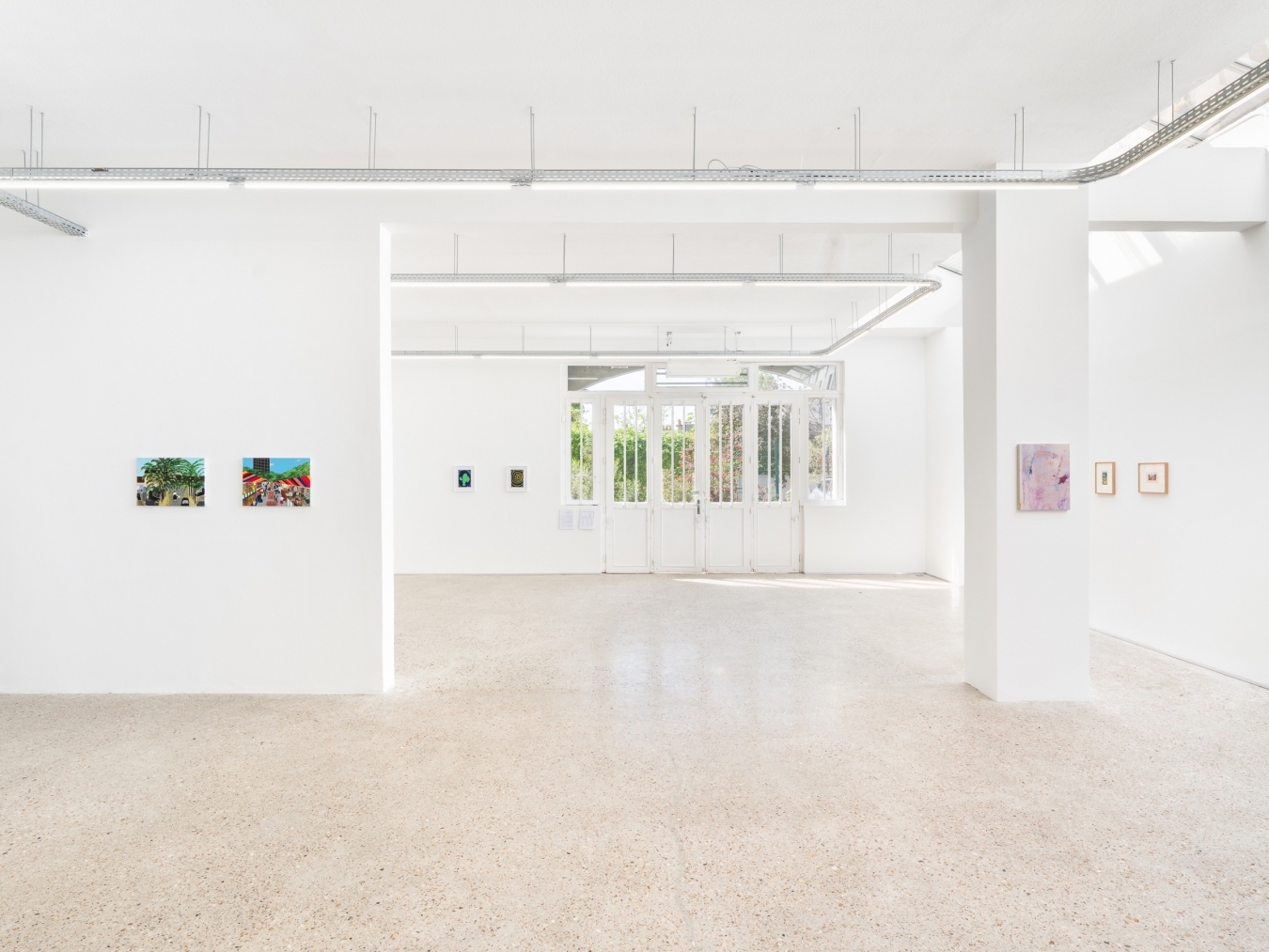
 Exhibition view, To Paint is to Love Again, Crèvecœur, Paris, 2026.
 Loading
 Françoise Lapeyre, Le marché, 2025, acrylic on canvas, 33 × 46 cm.
 Loading
 Françoise Lapeyre, Visite au cimetière, 2024, acrylic on canvas, 33 × 46 cm.
 Loading
 Whitney Claflin, All Ages, 2026, oil, acrylic and ink on linen, 43.1 × 33 cm.
 Loading
 Whitney Claflin, All Ages, 2026, oil, acrylic and ink on linen, 43.1 × 33 cm.
 Loading
 Whitney Claflin, Linden Room, 2025, Fabric and crayon on found fabric, 43.1 × 33 cm.
 Loading
 Exhibition view, To Paint is to Love Again, Crèvecœur, Paris, 2026.
 Loading
 Sadie Benning, Untitled (cut-out), 2022, framed collage, acrylic gouache on paper, 18 × 25,5 cm.
 Loading
 Exhibition view, To Paint is to Love Again, Crèvecœur, Paris, 2026.
 Loading
 Naoki Sutter-Shudo, 山深雪未溶 (la montagne est profonde, la neige n’a pas encore fondu), 2026, acrylic on paper mounted on canvas, 54 × 81 cm.