Yu Nishimura a, une fois encore, étendu son spectre. La température visuelle et la profondeur de chacune de ses peintures, de ses dessins et de ses aquarelles semblent s’être densifiées, et avec elles la liberté de leur exécution. Alors qu’il est toujours possible de distinguer ce qui est représenté dans les œuvres – un portrait, un paysage, une abstraction –, elles sont toutes comme suspendues dans un état qui non seulement annule ces différences, mais plus radicalement encore, aplatit ces catégories. Un portrait devient un paysage. Un paysage devient une nature morte. En amalgamant abstraction et figuration dans une forme de coexistence temporelle, Nishimura les réconcilie de la manière la plus sensuelle qui soit, parfois colorée d’un humour pince-sans-rire. Pour autant que les motifs varient, seashore (2025) et pommes de terre (2025) ont quelque familiarité avec undersea (2025) et avocados (2025) : une certaine tonalité, un bourdonnement, un son, ou peut-être quelque chose de plus tangible, considérant les références répétées de l’artiste à l’air et au vent.
Dans ses recherches les plus récentes, des aspects de la photographie lui ont servi de point de départ, ce qui n’est en soi pas nouveau. L’artiste cite régulièrement des photographes japonais tels que Shinzo Fukuhara et Takuma Nakahira – figures des générations antérieures et postérieures à la Seconde guerre mondiale – qui ont embrassé ce médium protomoderniste pour son potentiel contre-intuitif : en prêtant attention au flou et à l’inaperçu, voire même en articulant ce qui échappe à la vision, au lieu de célébrer la promesse photographique de clarté et de transparence. Et si la mémoire était au cœur de la photographie ? On pourrait aisément soutenir que de nombreuses peintures de Nishimura touchent le regardeur en plein cœur comme une pointe (peut-être un punctum barthésien). Plus précisément, un coup qui ouvre une zone brumeuse entre la mémoire et le présent, entre toi et moi – ou même entre la vie et la mort, ultime distinction entre une image et la réalité.
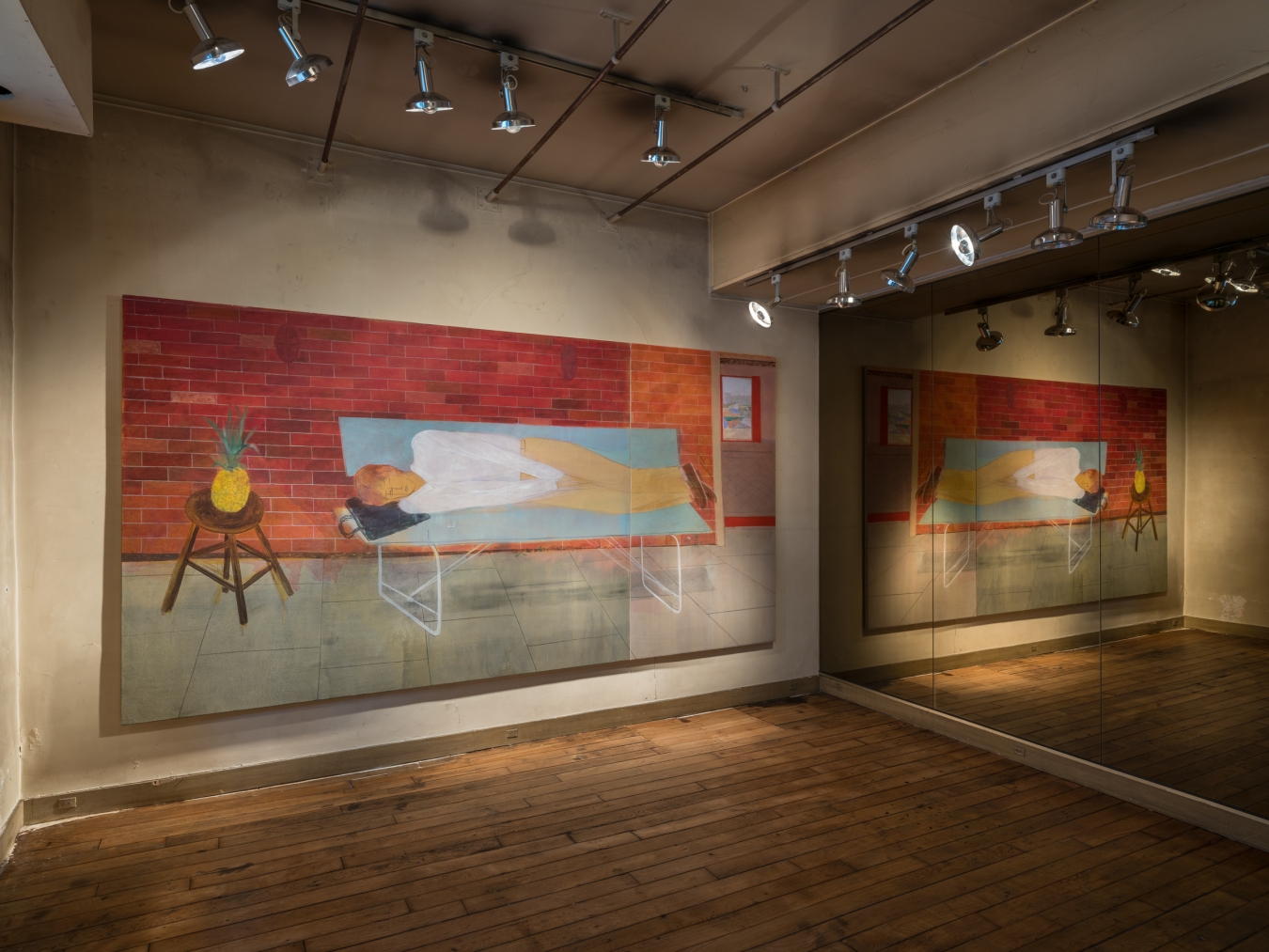
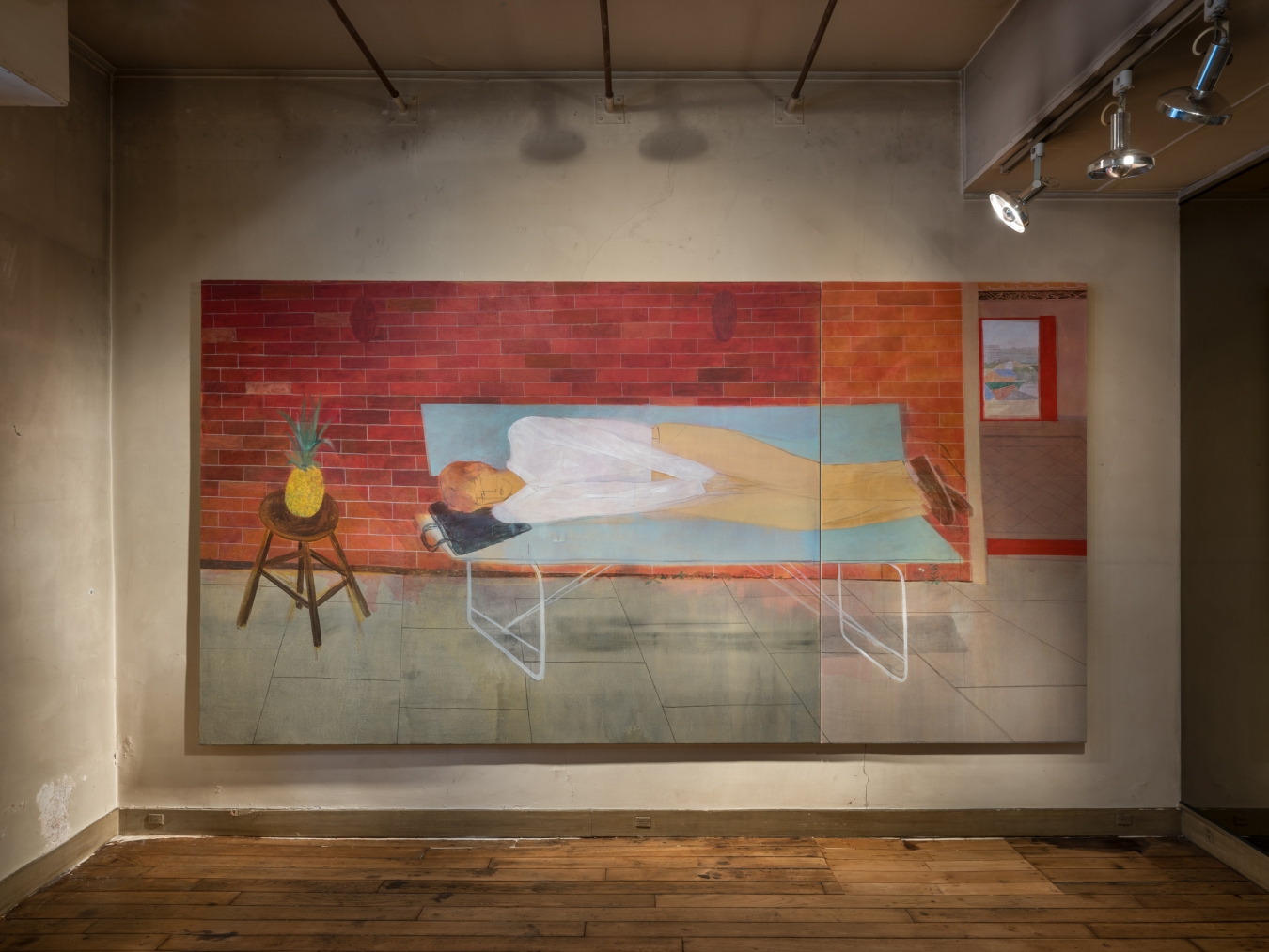
Désirant travailler différemment, Nishimura a commencé à peindre plusieurs œuvres de cette exposition directement d’après des photographies issues de ses archives. Mais dans le cours même du travail, une nouvelle direction est apparue. À chaque fois qu’il partait d’une image, il était poussé à en déborder le cadre. Il a alors cherché ce que cette tendance avait de fertile. Plutôt que d’utiliser la profondeur d’une photographie comme source d’une peinture, il observa comment le strict cadrage de l’image photographique se transforme quand il est littéralement ouvert par l’acte de peindre. C’est évident dans Offering (2025), un grand diptyque inspiré d’une image d’un petit cimetière chinois à Yokohama, où repose la grand-mère de l’artiste. Cet endroit chéri et familier, où Nishimura a passé de nombreuses heures, offre aussi une vue panoramique sur la ville.
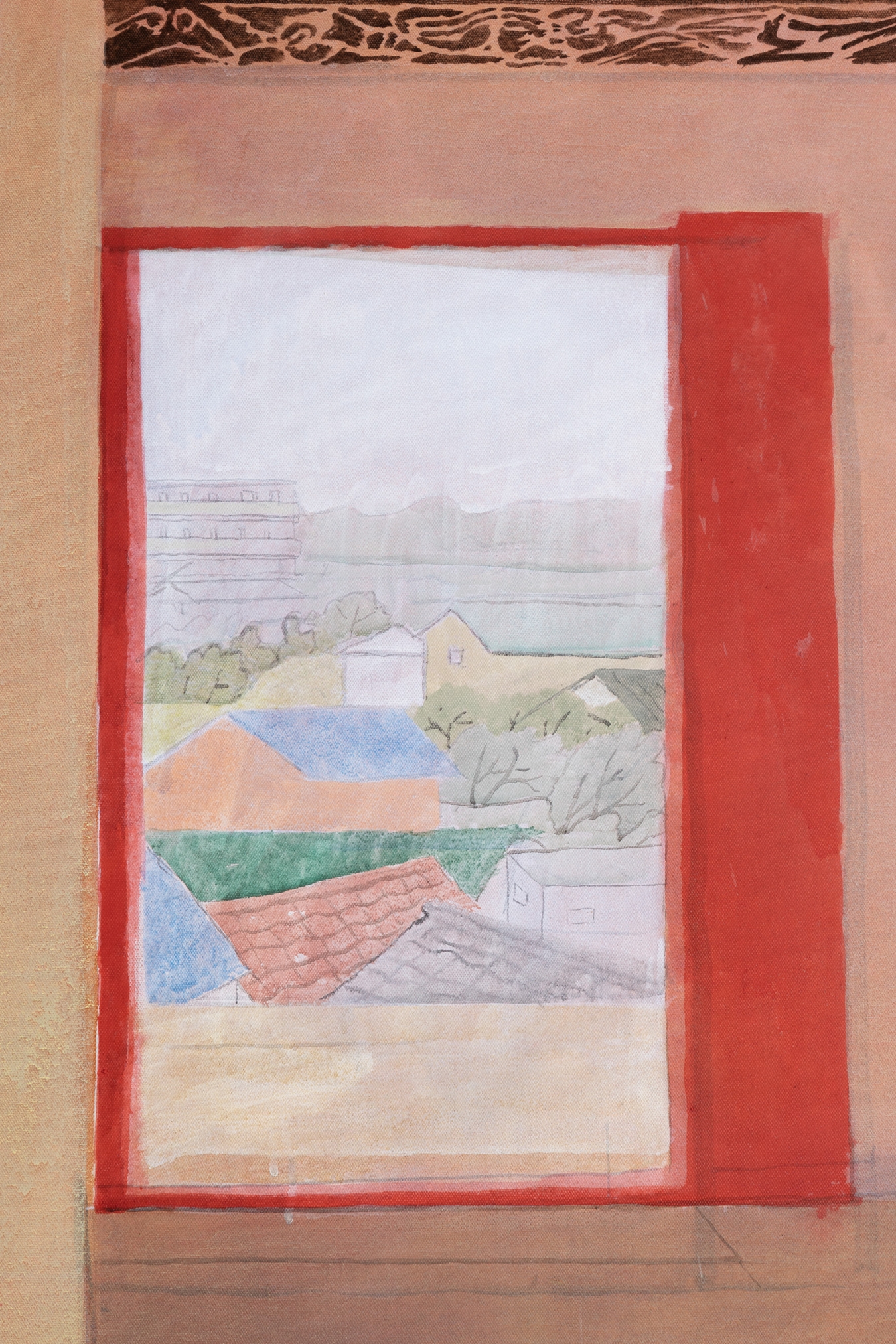
Alors que la scène principale a été d’abord peinte d’après une photographie d’un intérieur, la partie droite a été ajoutée ultérieurement. La photographie agit comme seuil, en figeant la mémoire du lieu, tandis que les plans imbriqués du paysage aperçu par la fenêtre à droite sont recomposés de mémoire. La mémoire, en effet, irrigue sans cesse le cours des œuvres de Nishimura, mais pas en fournissant des moments concrets et singuliers. Ses peintures se servent plutôt de la nécessaire incomplétude par laquelle la mémoire s’adapte aux humeurs changeantes du présent. Par conséquent, elle est bien plutôt une ressource latente, passive, que l’acte de peindre vient activer. L’artiste compare cet acte à « l’attente », qui pourrait rappeler la façon dont une scène de théâtre se déploie lentement devant l’œil statique de la caméra d’Ozu. Laissant libre cours au hasard et au temps, ses coups de pinceaux stimulent et prolongent les images – comme un diamant, né d’une extrême condensation matérielle, commence à briller dès qu’il est tenu dans la bonne lumière.
Mais la métaphore du diamant risque de nous égarer. Les œuvres récentes de Nishimura semblent plutôt se situer du côté de la mer, plus précisément là où l’eau rencontre la terre – le rivage –, qui est représenté dans planktos (2025), une des rares œuvres de l’exposition qui se réfère explicitement à la mer. Cette œuvre, dont le titre est dérivé du terme grec signifiant « ce qui dérive ou flotte », joue avec la proximité du regardeur : en s’approchant on découvre des petites pierres, des graviers et des fragments de matière à la dérive éparpillés sur le sable au premier plan. Comme les éléments à la dérive qui donnent son titre à l’œuvre, le sens du tableau flotte dans cette accumulation de détails, marquant un littoral à la façon d’une frontière entre deux états, un seuil entre le fluide et le solide. Ou encore, rappelant les écrits de Jeff Wall qui distinguent « l’intelligence liquide » de la photographie et la peinture, ce littoral désigne l’espace même où se situe la pratique de l’artiste. En même temps, les frontières extérieures du Japon ne sont-elles pas délimitées par des lignes côtières ?
Les œuvres de Nishimura témoignent tant des compétences techniques exceptionnelles de leur auteur que de ses profondes connaissances historiques. Ses influences s’étendent des traditions picturales occidentales à l’héritage d’artistes japonais qui ont travaillé à une autre jonction cruciale, à l’intersection de deux histoires artistiques distinctes. Tout en incorporant des éléments formels issus de la peinture occidentale, de nombreux prédécesseurs japonais de Nishimura ont préservé l’héritage de techniques traditionnelles : le rendu subtil des gradations colorées, l’intégration du dessin à la peinture, et bien d’autres décisions stylistiques et techniques en matière de touche et de pigment. Pour aborder l’œuvre de Nishimura, on recourt souvent par défaut à des cadres de pensée occidentaux. Mais il serait tout aussi intéressant de l’inscrire dans une lignée plus proche de chez lui – en suivant une histoire de l’art attentive aux continuités et aux ouvertures progressives, plutôt qu’aux ruptures abruptes. Cette dernière perspective valorise plus les qualités illusionistes que l’analyse méticuleuse des modes documentaires qui a préoccupé de nombreux artistes occidentaux.
Nishimura, dont le père lui-même était peintre, a grandi dans une époque de rupture, les années 1980-1990, quand le Japon, après les décennies de croissance qui avaient suivi la Seconde guerre mondiale, se débattait dans une crise économique. Ce contexte a amplifié des tendances isolationniste déjà présentes, dues à la tension persistante entre l’intérieur et l’extérieur, renforcées par la situation insulaire du pays et la trajectoire historique qui a conduit la conscience nationale, en moins d’un siècle entre son ouverture à l’extérieur et la catastrophe de la bombe atomique, dans un vide psychologique non résolu entre la position de la victime et celle du bourreau. Nishimura, qui a grandi à Yokohama, au sud des façades de fer et de verre de Tokyo, est souvent retourné dans une petite ville appelée Yokosuka, un endroit qu’on pourrait considérer comme un point d’ancrage dans son œuvre. Ses souvenirs d’enfance de vacances familiales dans la baie de Chiba évoquent une herbe épaisse où bondissent les insectes.
Plus on s’éloigne du centre, plus les caractères spécifiques de la vie japonaise deviennent apparents. Ainsi l’idée d’ascendance shintoïste selon laquelle le monde est animé par les choses qui le composent. Le ton distinctif de Nishimura plonge peut-être ses racines dans les espaces suburbains de son enfance, dont les souvenirs prennent forme dans des œuvres qui les incarnent, les étendent et les effacent simultanément dans une mémoire en expansion. Chaque horizon et chaque paysage marin marque à la fois un terme et un commencement dans la vision que l’artiste développe avec le souffle d’un coureur de fond. Pour y parvenir, son travail déplace constamment les perspectives, dévoilant une multitude d’ouvertures et de seuils qui donnent forme aux multiples contingences de la mémoire qui traverse son œuvre, et à sa conception de l’identité comme un flux « toujours en devenir ». Cela rapproche formellement certaines œuvres des Transparences de Picabia. Ce dernier opérait aussi par superposition de compositions fantomatiques, une technique qui lui permit d’explorer les thèmes de la mémoire, du temps et de la présence simultanée de réalités multiples sur une même toile.
Dernier point, mais non des moindres, cette fluidité se retrouve dans d’autres parties de la pratique de Nishimura, qui collabore fréquemment avec d’autres artistes, de façon plus ou moins visible. Les œuvres qu’il a produites avec son ami Kazuyuki Takezaki, décédé soudainement en 2024, portent la marque de leurs deux signatures. Bien que chacun ait ses propres standards et idées au sujet de la peinture, les deux artistes – par ailleurs membres du groupe twing boat song (chanson du bateau jumeau) – se rencontraient occasionnellement pour peindre ensemble. Nishimura dit : « Alors qu’on peignait ensemble une même œuvre, je comprenais graduellement que je m’approchais de sa façon de savoir quand une peinture est terminée. En un sens, c’est comme si peindre me faisait devenir une autre personne. Dans son champ, il me semblait que je pourrais me déplacer librement n’importe où. » Les formes de liberté que Yu Nishimura explore dans son art existent toujours en relation, ce qui confère à son travail une profonde dimension politique.
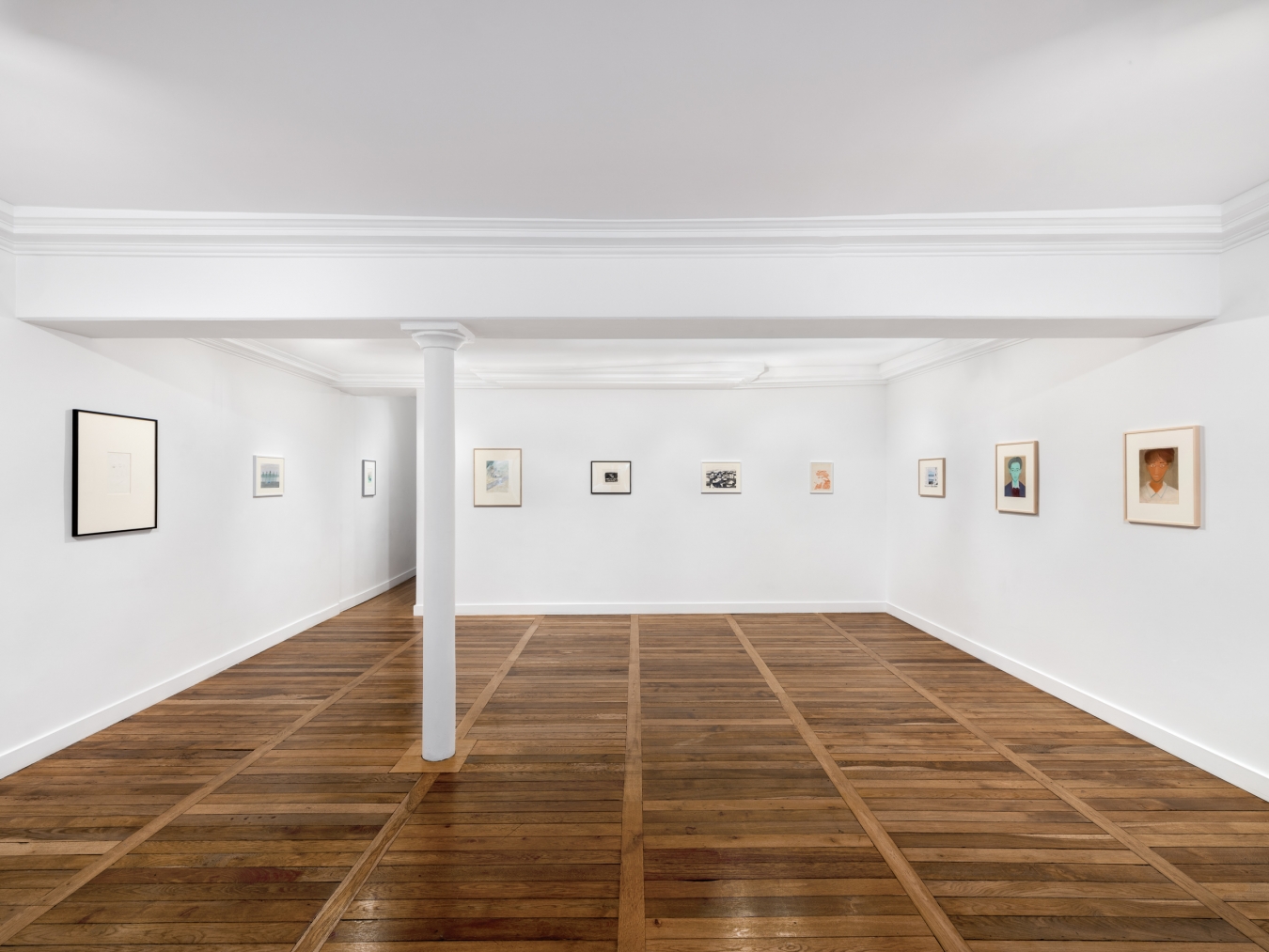
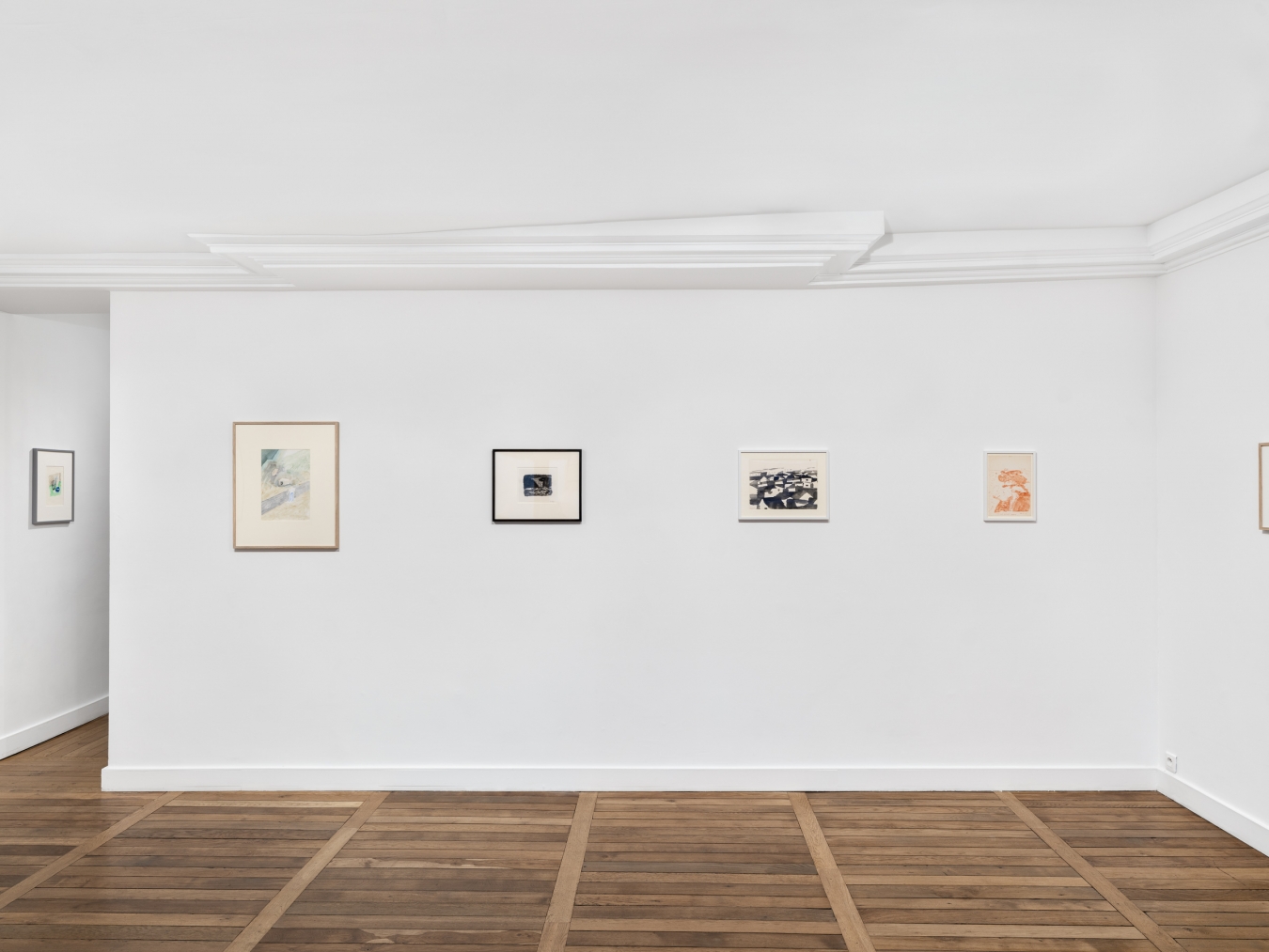
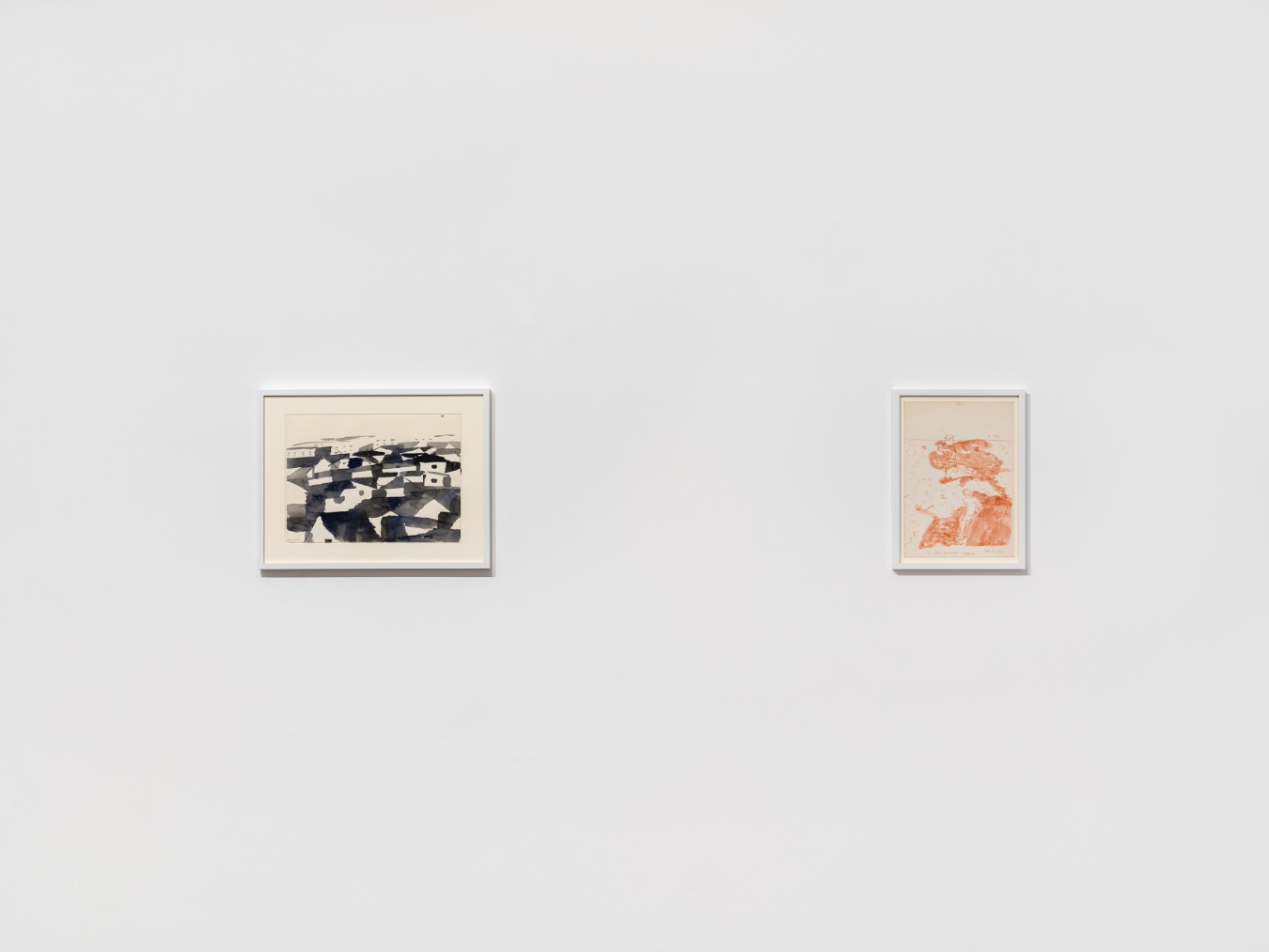
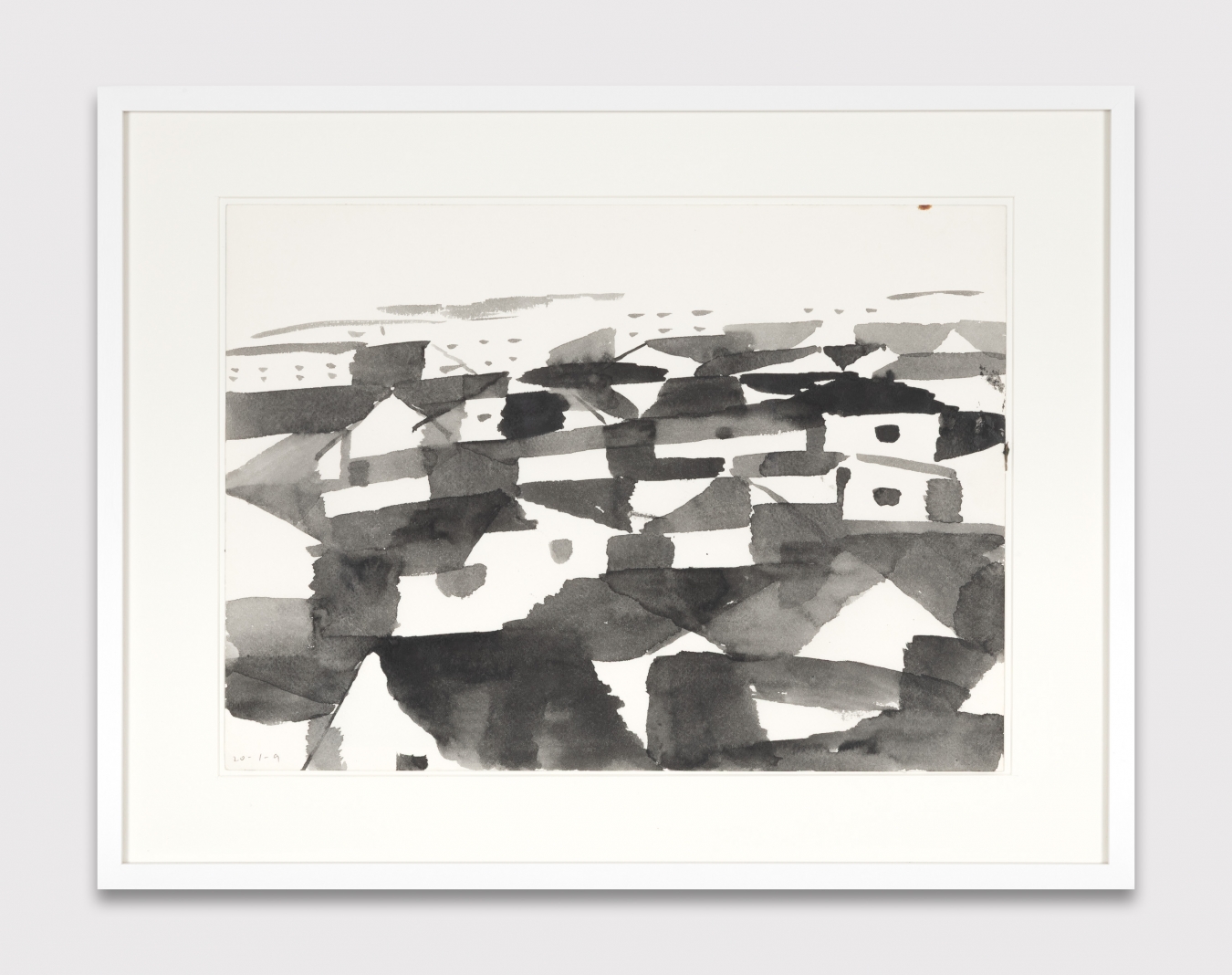
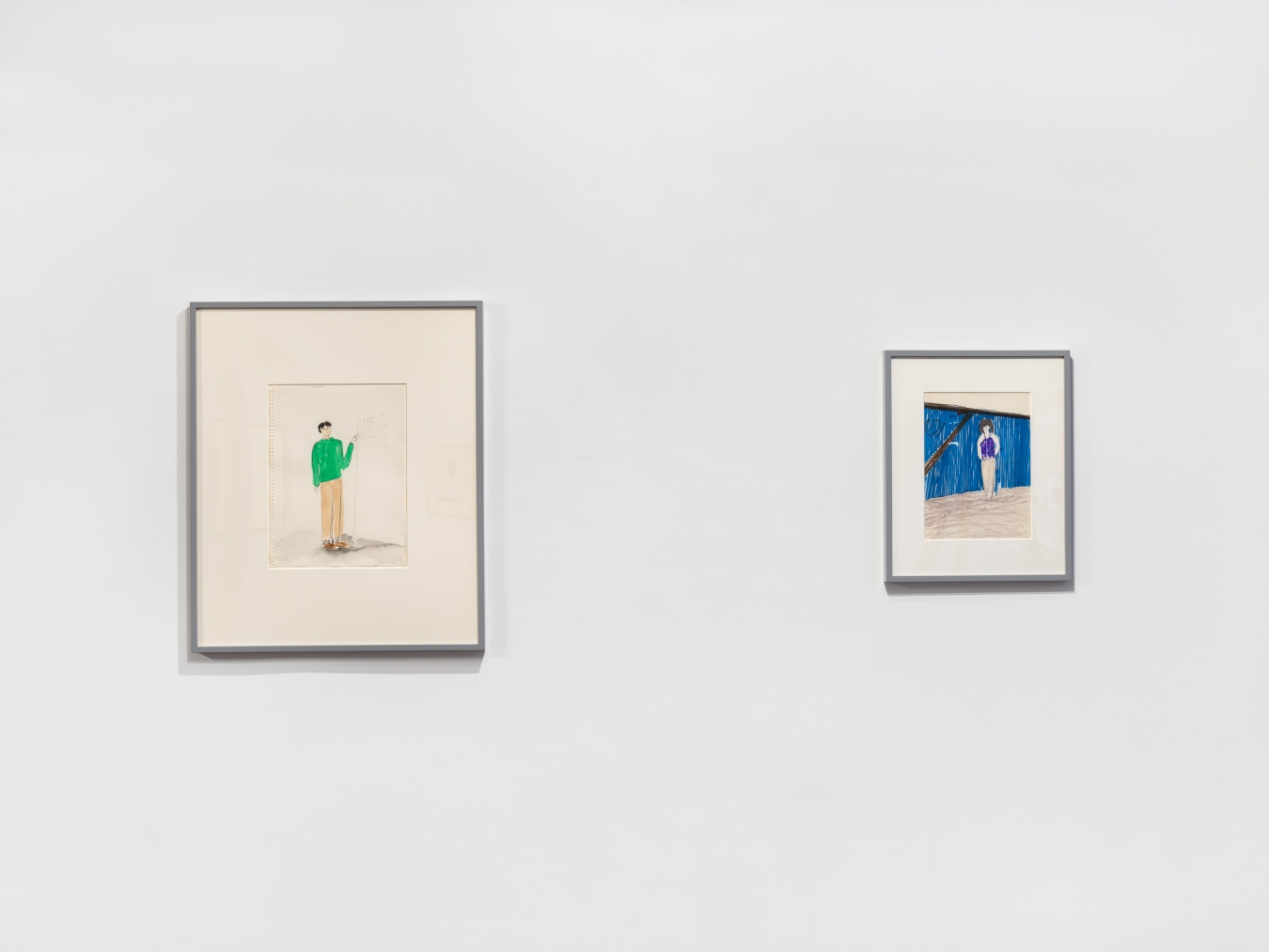
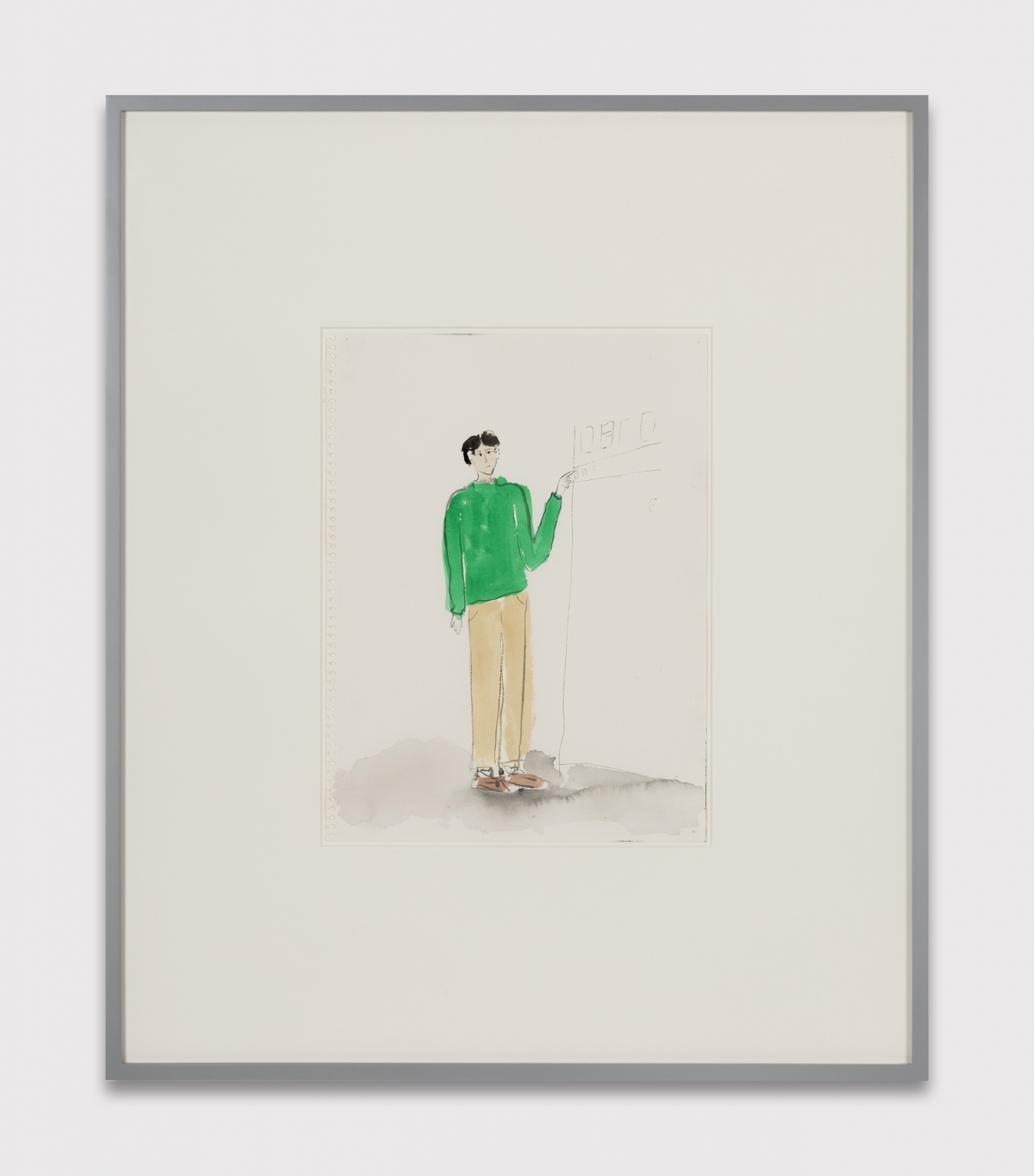
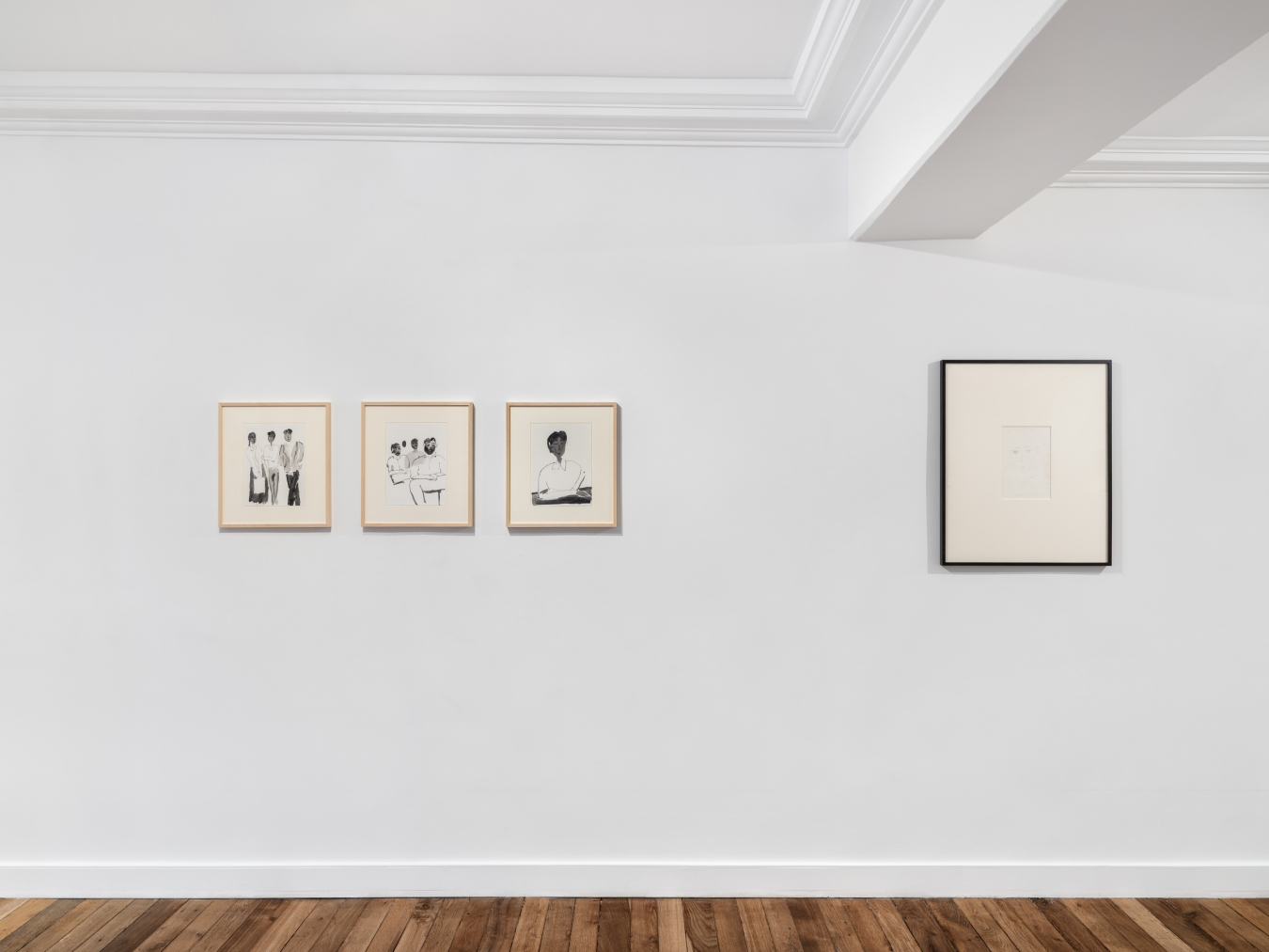
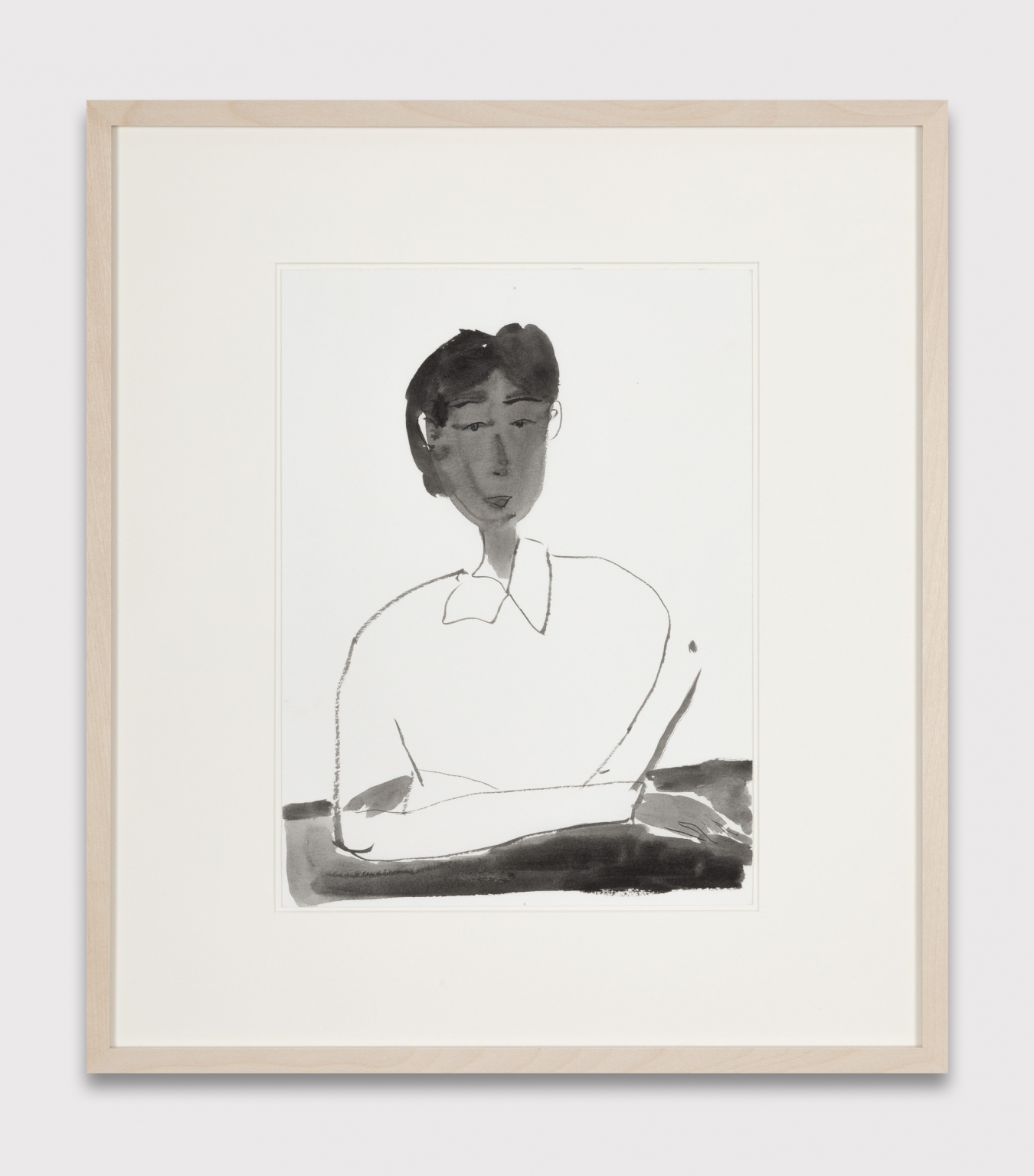
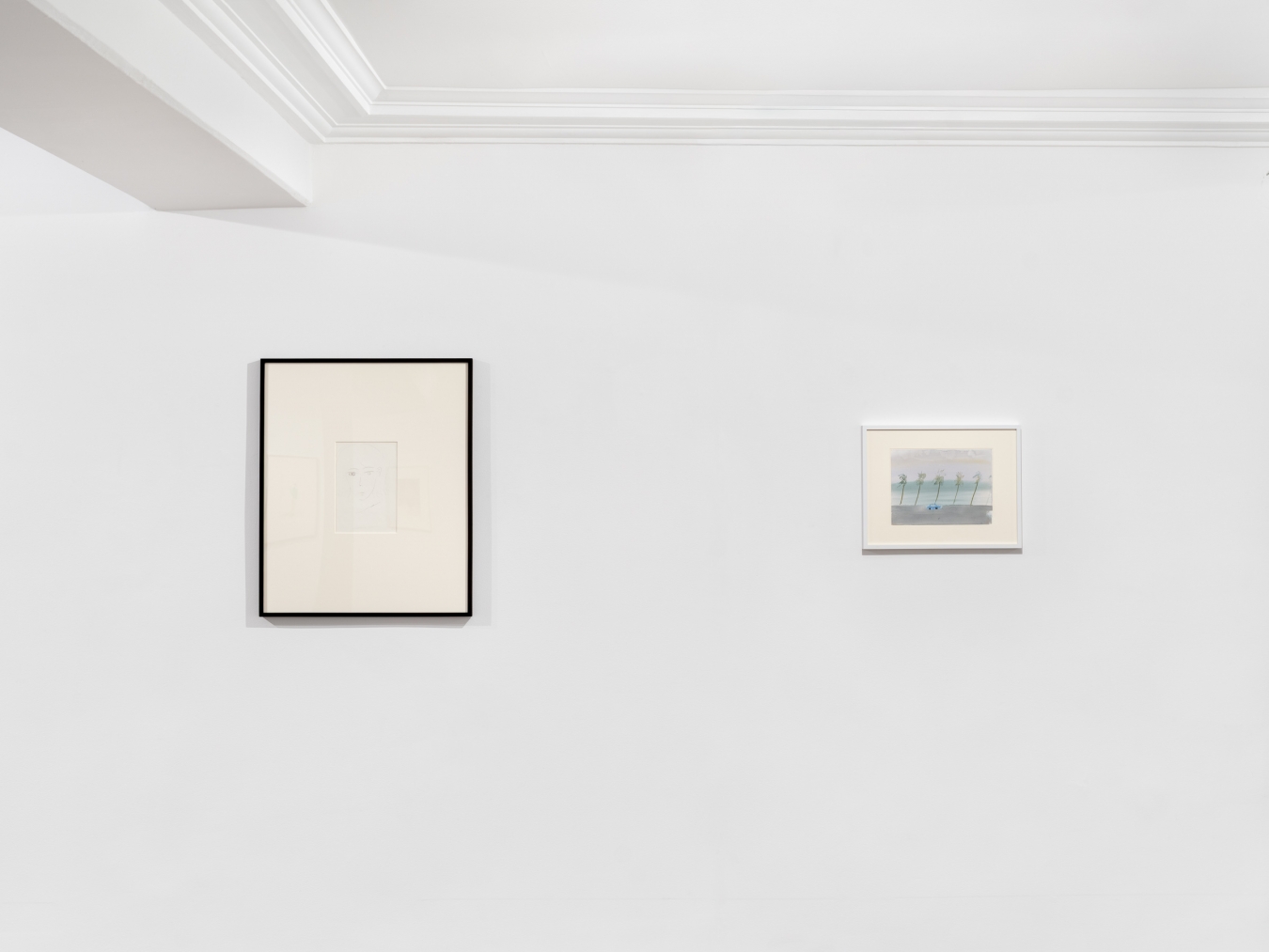
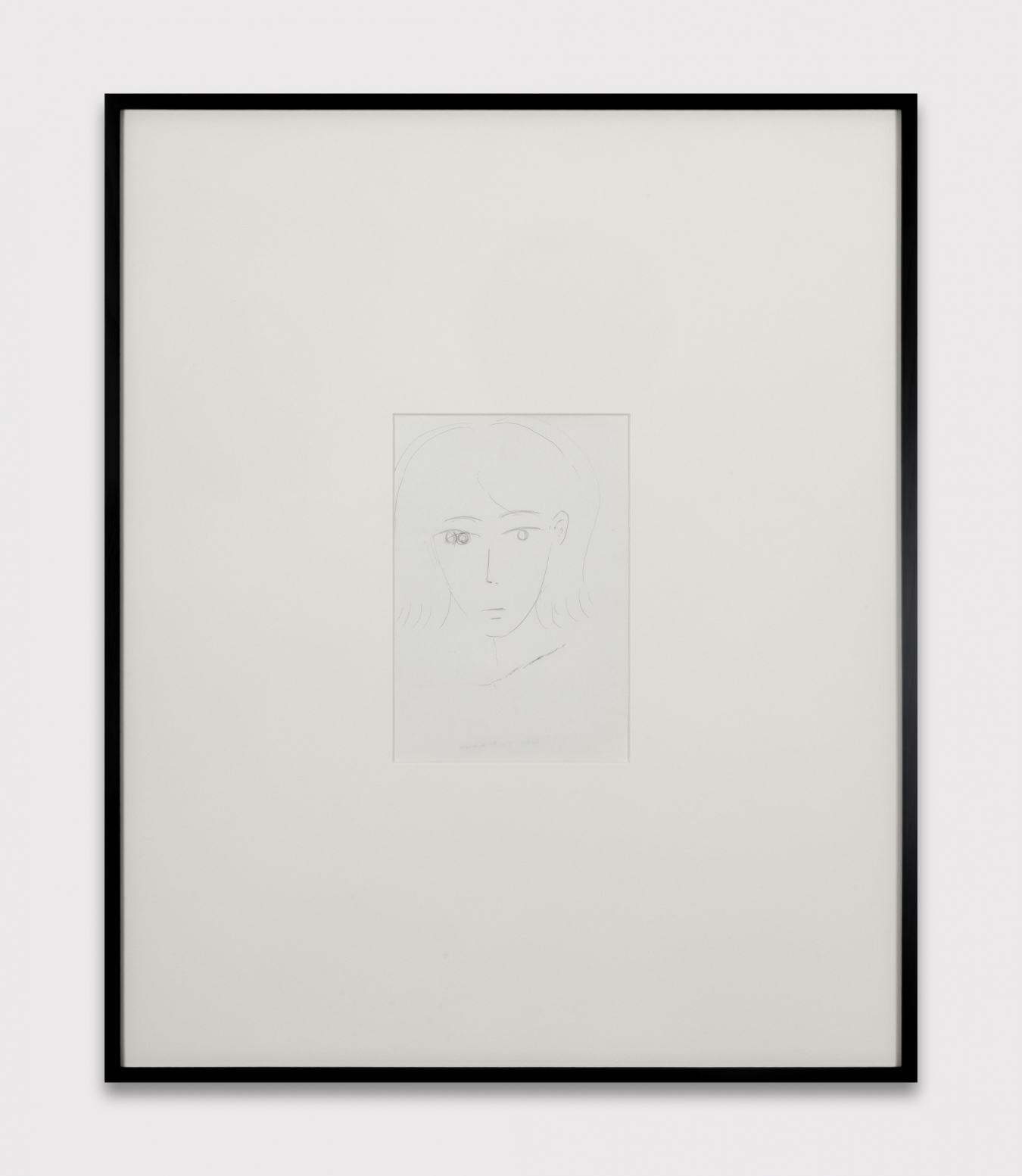
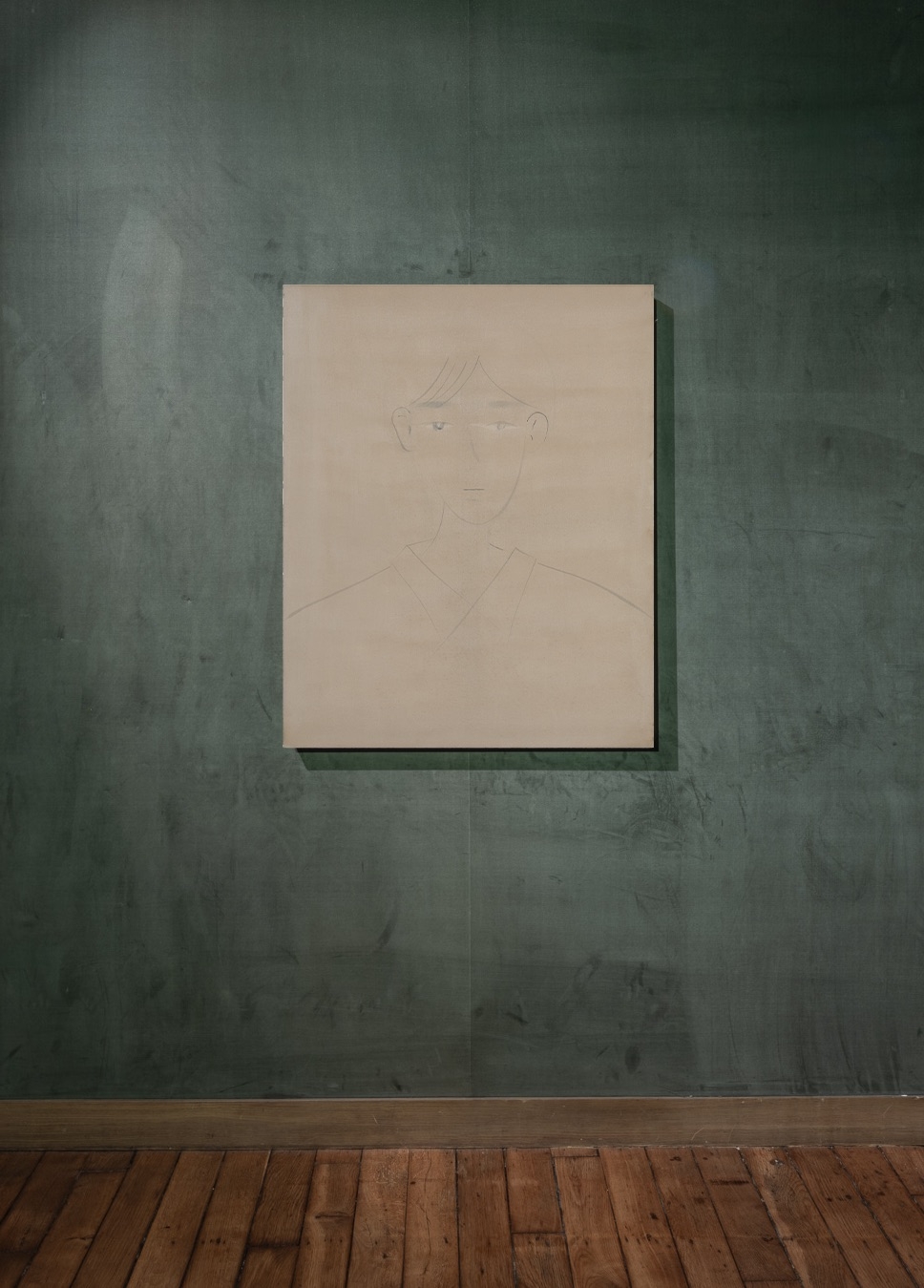
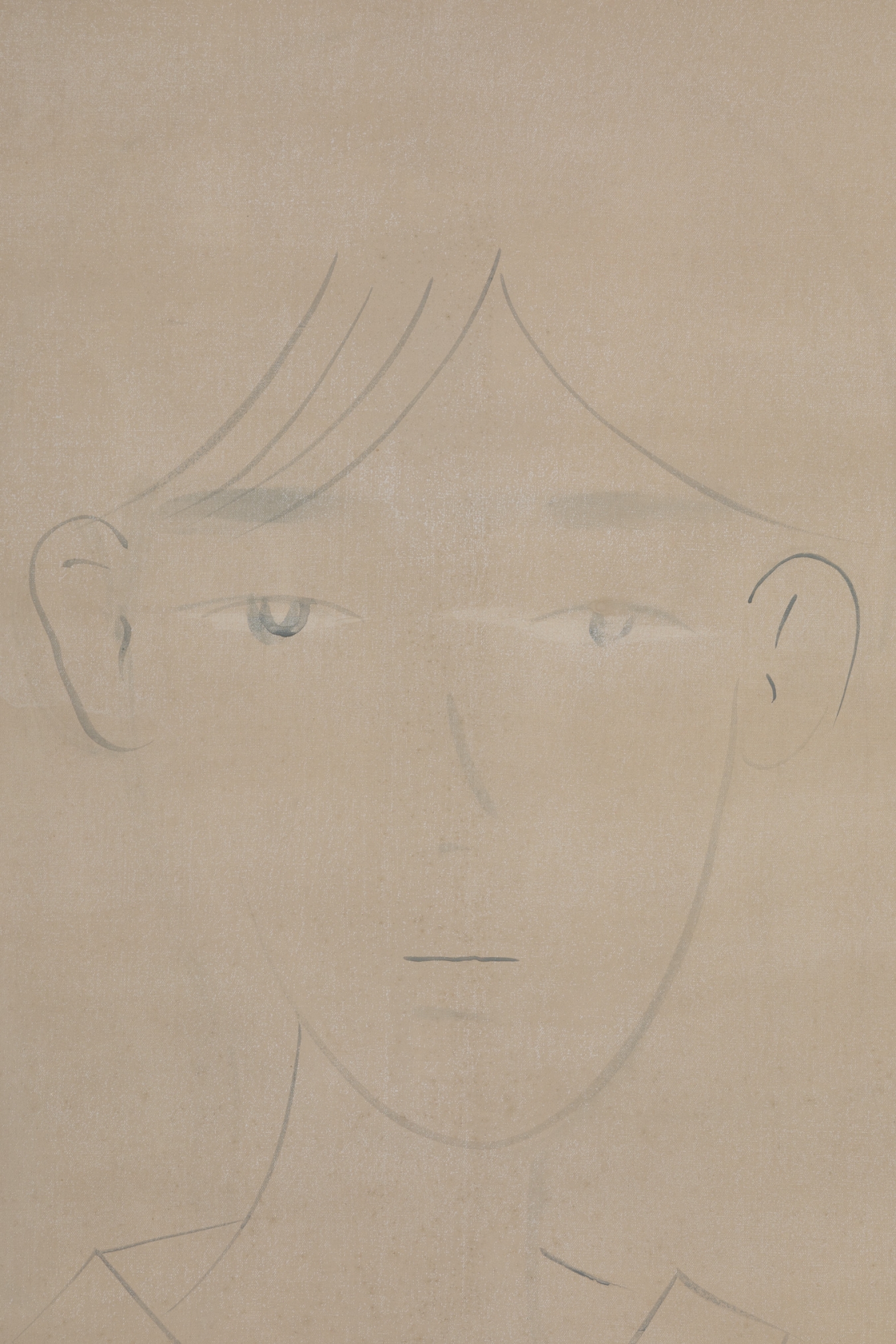
Néanmoins, toute considération relationnelle mise à part, dans l’acte même de créer, l’artiste demeure seul. Cette nouvelle exposition accorde une place importante au dessin. Au-delà des spécificités visuelles des œuvres sur papier, celles-ci se distinguent aussi par la rapidité de leur exécution. Nishimura considère le dessin comme relevant de la plus grande proximité physique : « Le dessin est pour moi le moment créatif le plus corporel et instinctif, avant qu’une œuvre ne devienne une peinture. » Alors qu’il intègre souvent des éléments dessinés dans ses tableaux, le dessin est chez lui un code source dont la plénitude et l’immédiateté permettent d’articuler concept et geste dans une forme primale et physique de création. Dans cet acte solitaire – où la main rencontre la surface, où le souffle se traduit en signe –, la pratique de l’artiste trouve son fondement le plus intime, le seuil à partir duquel tous les autres horizons peuvent s’ouvrir.
Texte de Martin Germann
Traduction de Vincent Simon
 Loading
  Loading
 Exhibition view, Yu Nishimura, Threshold, 2025, Crèvecœur, Paris.
 Loading
 Exhibition view, Yu Nishimura, Threshold, 2025, Crèvecœur, Paris.
 Loading
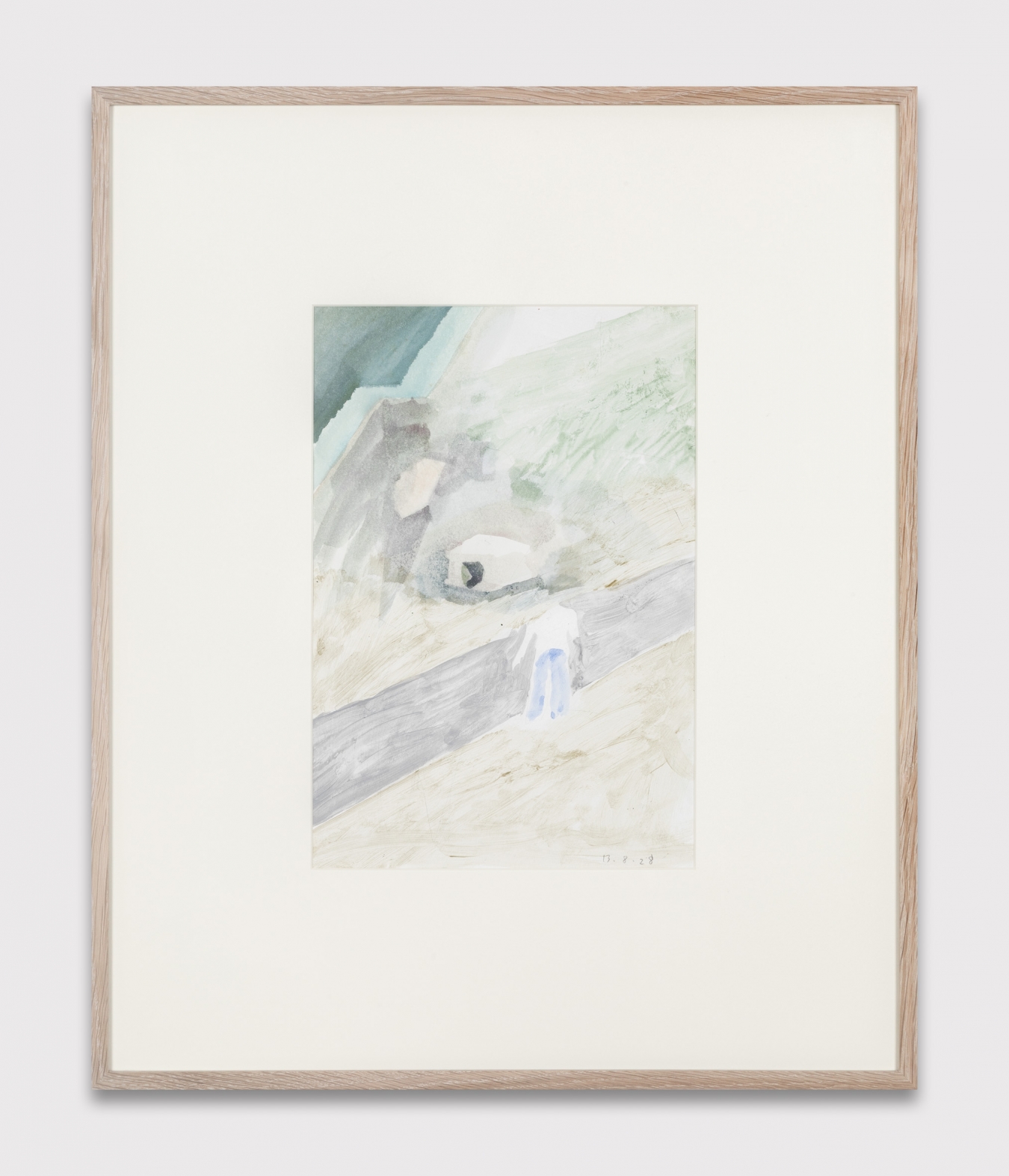
 Yu Nishimura, from hill (rooftops), 2020, oil on paper, 24 × 33 cm.
 Loading
 Yu Nishimura, untitled, 2013, oil on paper, 36 × 25 cm.
 Loading
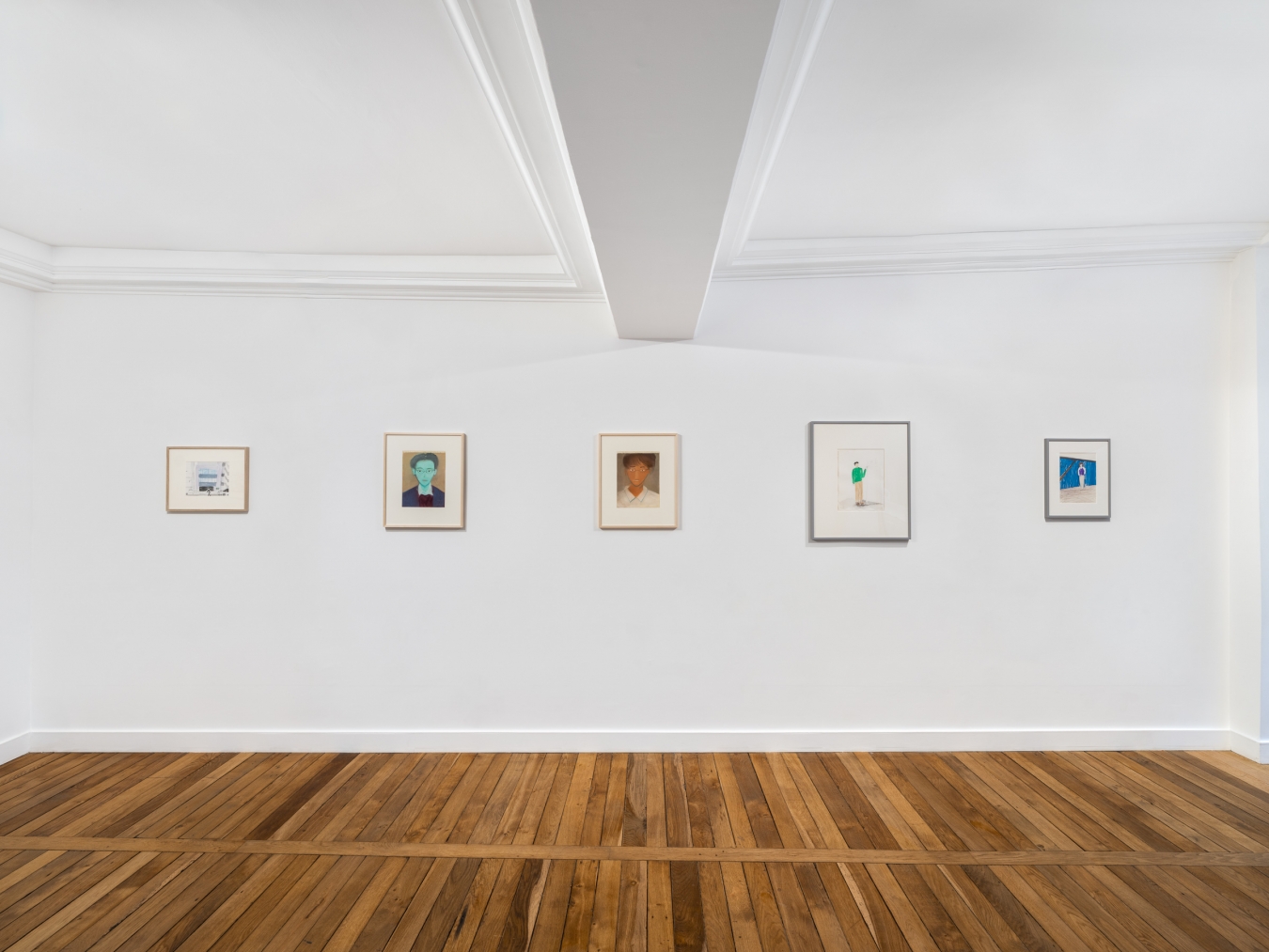
 Exhibition view, Yu Nishimura, Threshold, 2025, Crèvecœur, Paris.
 Loading
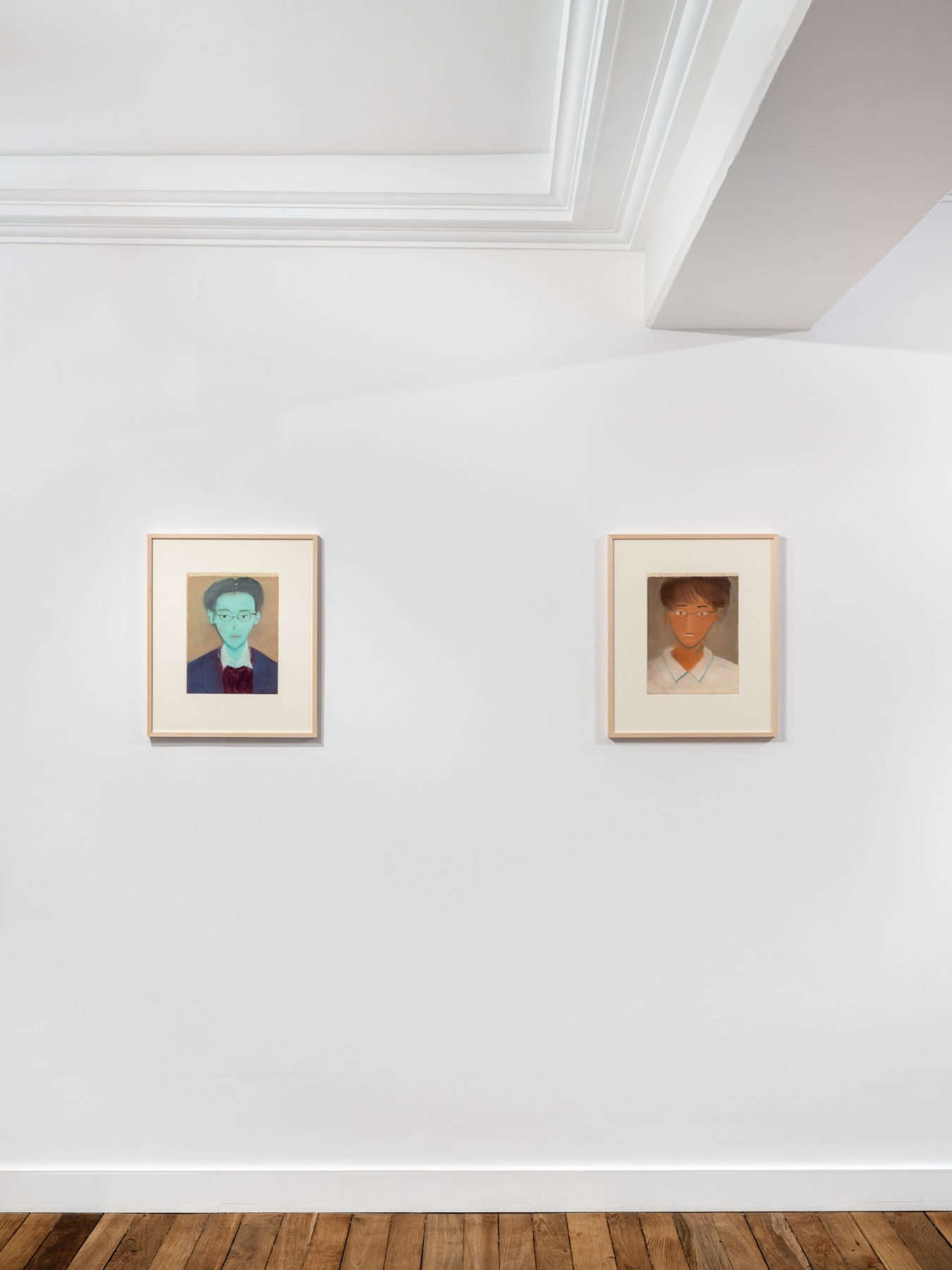
 Exhibition view, Yu Nishimura, Threshold, 2025, Crèvecœur, Paris.
 Loading
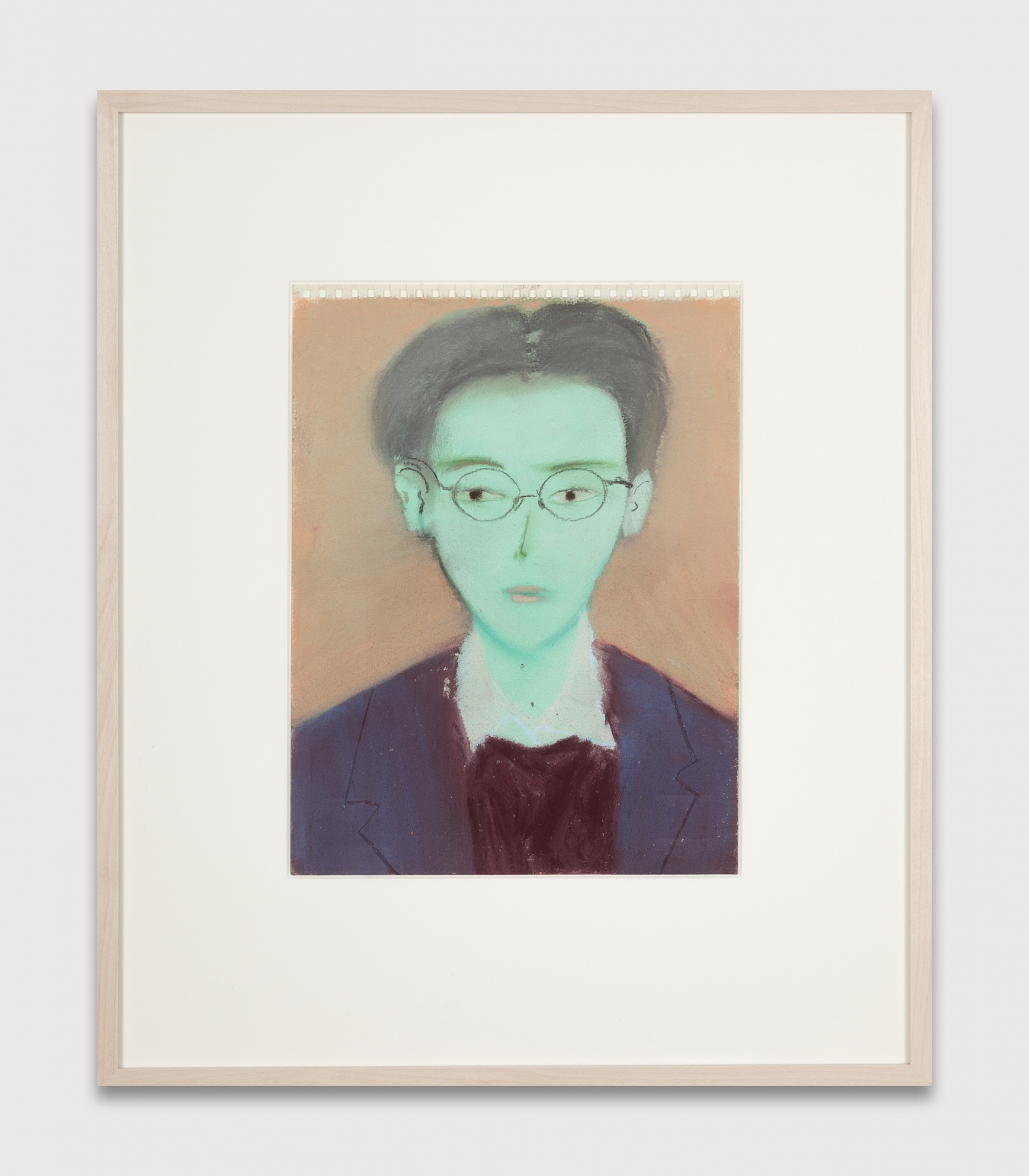
 Yu Nishimura, 27, 2025, pastel on paper, 31 × 23.5 cm.
 Loading
 Exhibition view, Yu Nishimura, Threshold, 2025, Crèvecœur, Paris.
 Loading
 Yu Nishimura, vending Machine, 2025, water color on paper, 33.5 × 22 cm.
 Loading
 Exhibition view, Yu Nishimura, Threshold, 2025, Crèvecœur, Paris.
 Loading
 Yu Nishimura, a boy, 2023, watercolor on paper, 28 × 21 cm.
 Loading
 Exhibition view, Yu Nishimura, Threshold, 2025, Crèvecœur, Paris.
 Loading
 Yu Nishimura, untitled, 2020, ink on paper, 25.5 × 17.5 cm.
 Loading
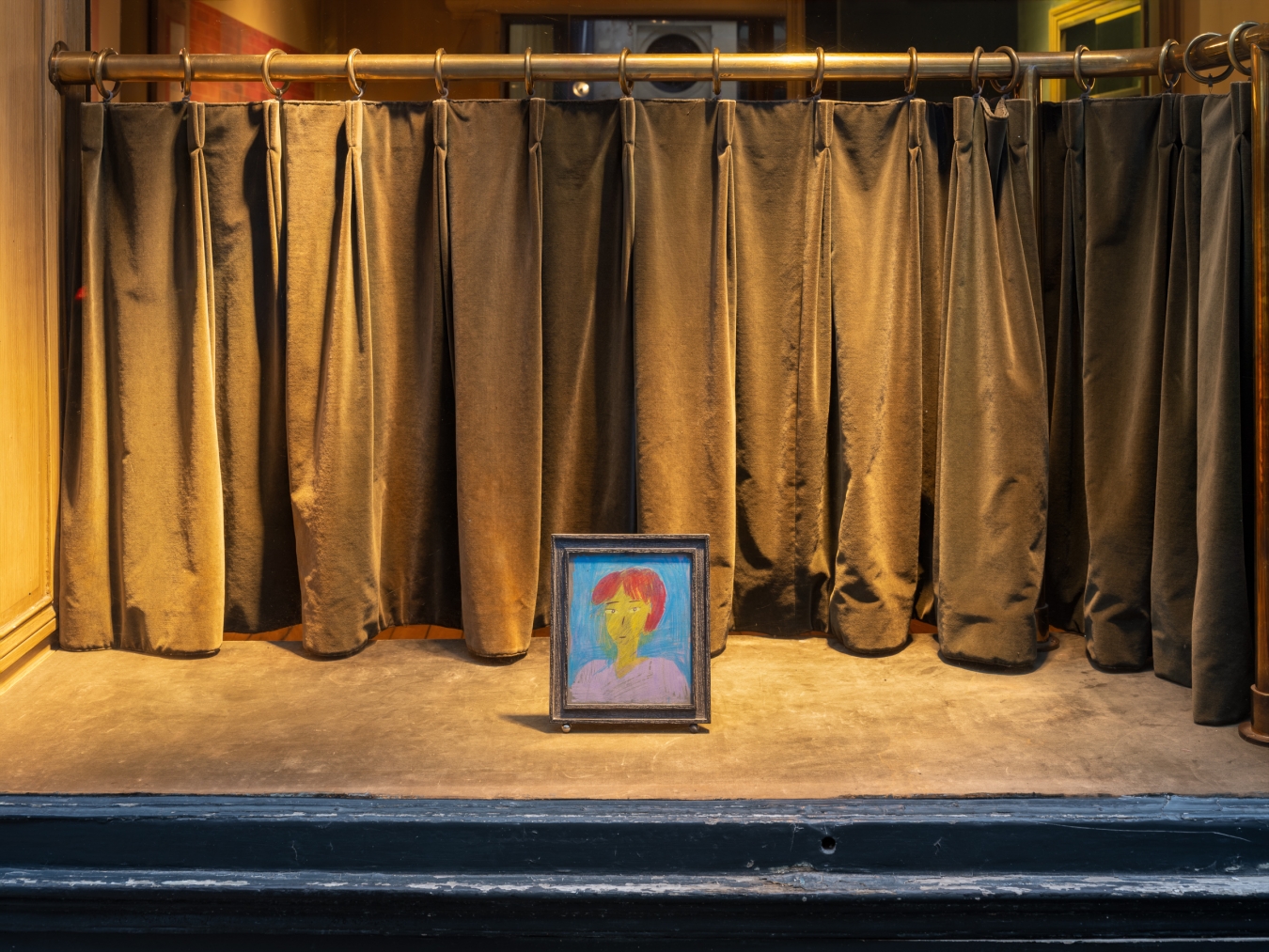
 Yu Nishimura & Yasuaki Hamada, portrait, 2025, acrylic and color pencil on cardboard mounted on waxed wood with stainless steel, 24 × 19.5 × 1.5 cm.
 Loading
 Exhibition view, Yu Nishimura, Threshold, 2025, Crèvecœur, Paris.
 Loading
 Yu Nishimura, offering, 2025, acrylic on canvas, 194 × 371.5 cm.
 Loading
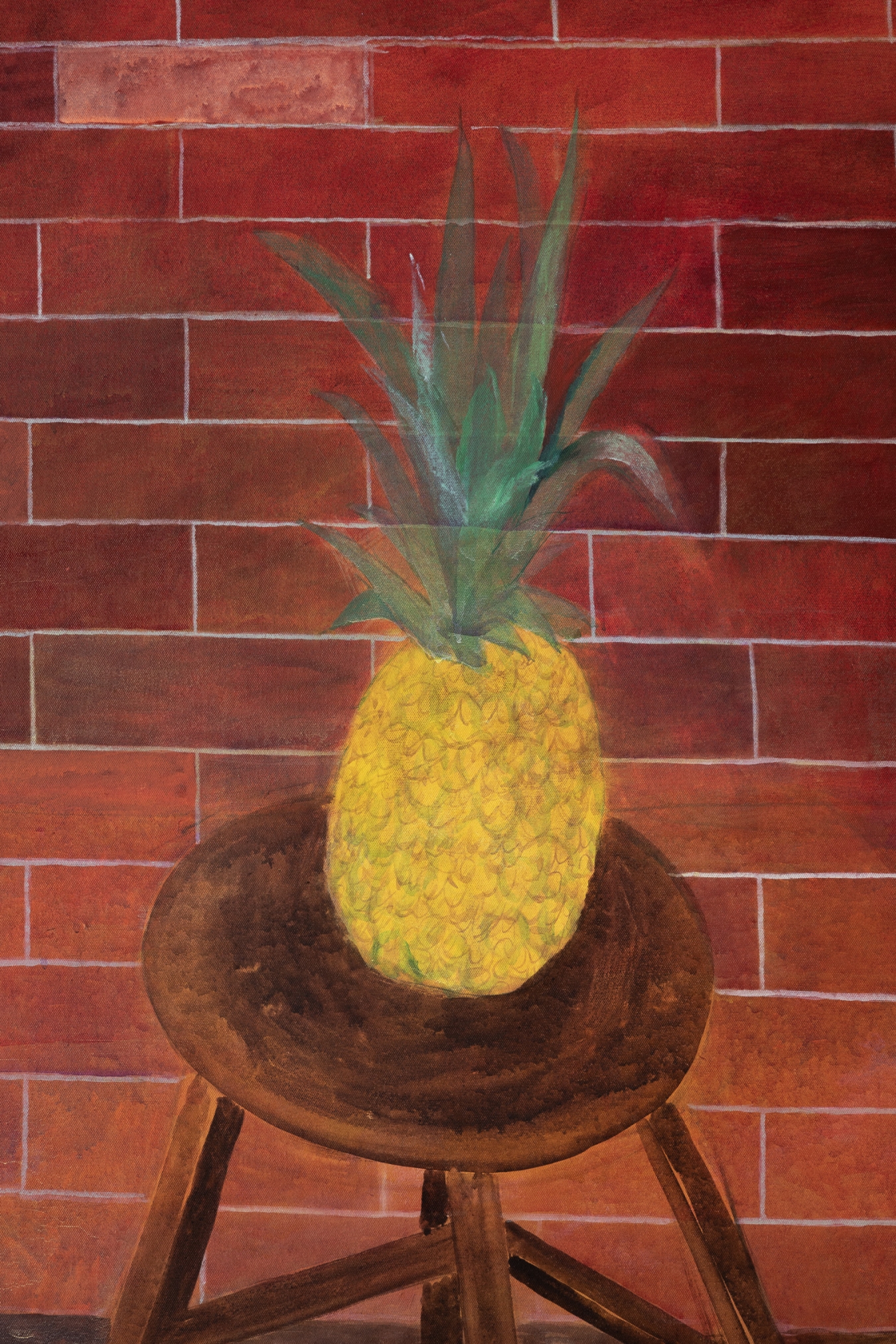
 Yu Nishimura, offering, 2025, acrylic on canvas, 194 × 371.5 cm. (detail)
 Loading
 Yu Nishimura, offering, 2025, acrylic on canvas, 194 × 371.5 cm.
 Loading
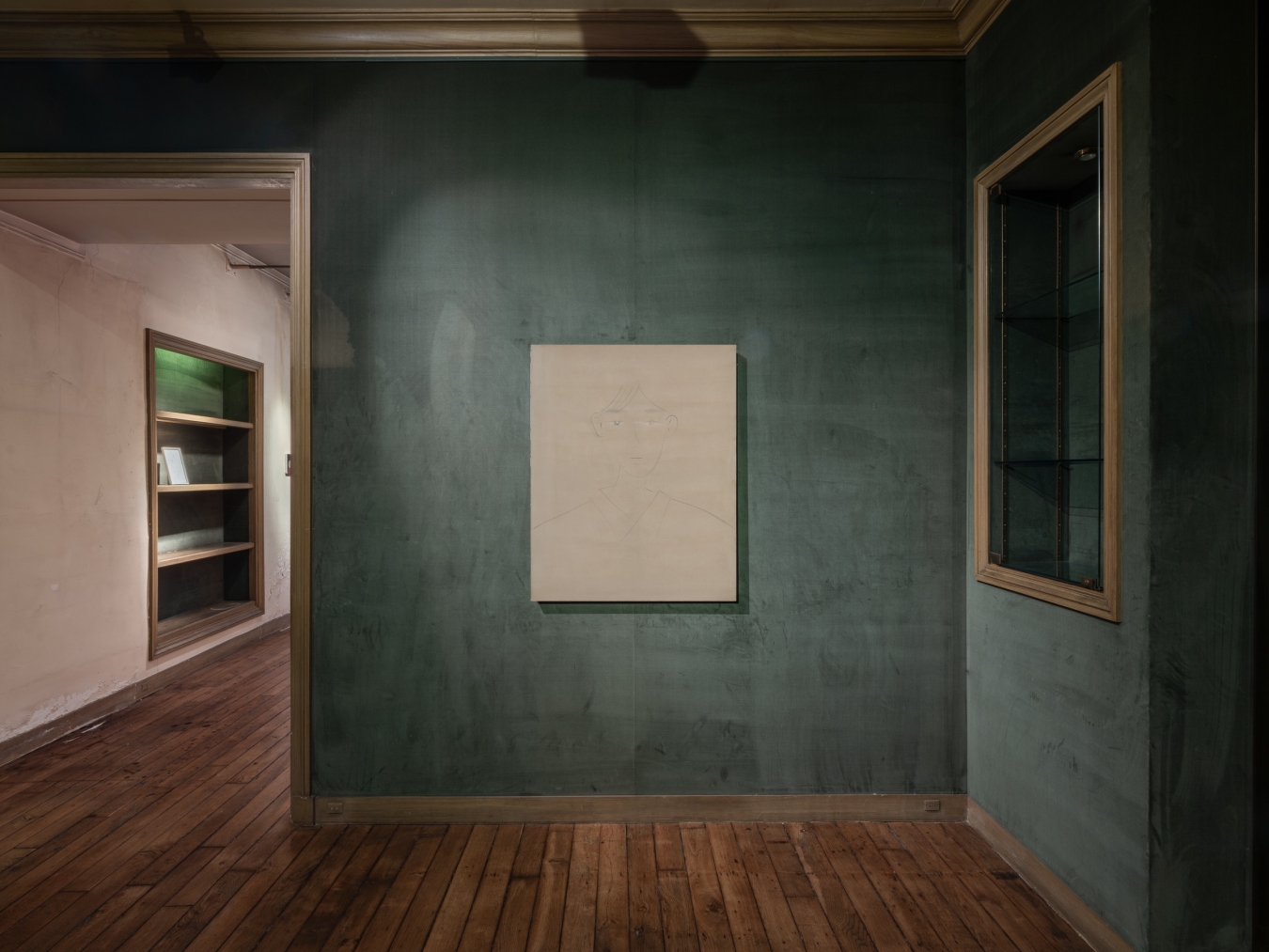
 Exhibition view, Yu Nishimura, Threshold, 2025, Crèvecœur, Paris.
 Loading
 Yu Nishimura, projection, 2025, tempera on linen, 100 × 80 cm.
 Loading
 Yu Nishimura, projection, 2025, tempera on linen, 100 × 80 cm. (detail)
 Loading
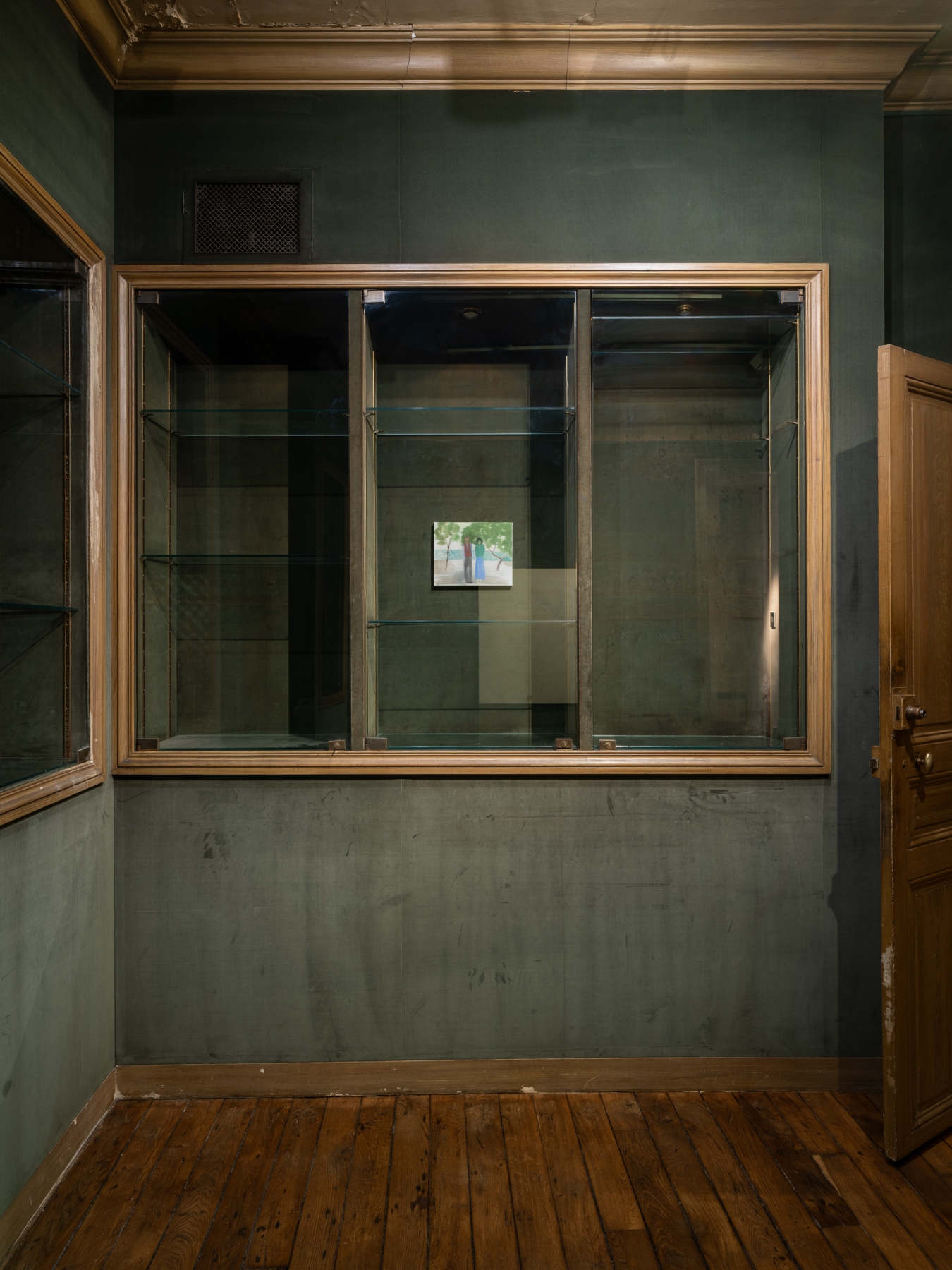
 Exhibition view, Yu Nishimura, Threshold, 2025, Crèvecœur, Paris.
 Loading
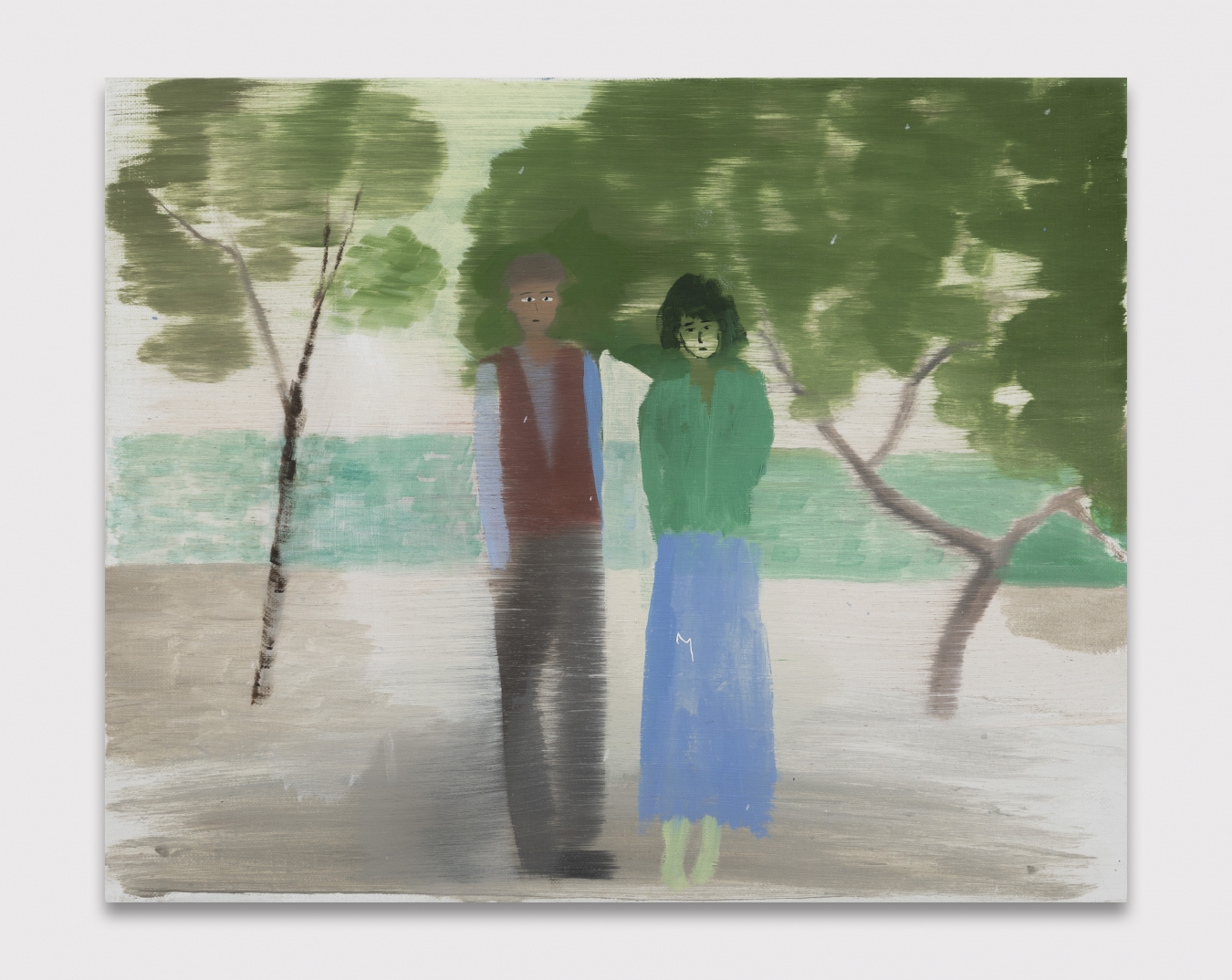
 Yu Nishimura, pearl river, 2024, oil on canvas, 22 × 27 cm.
 Loading
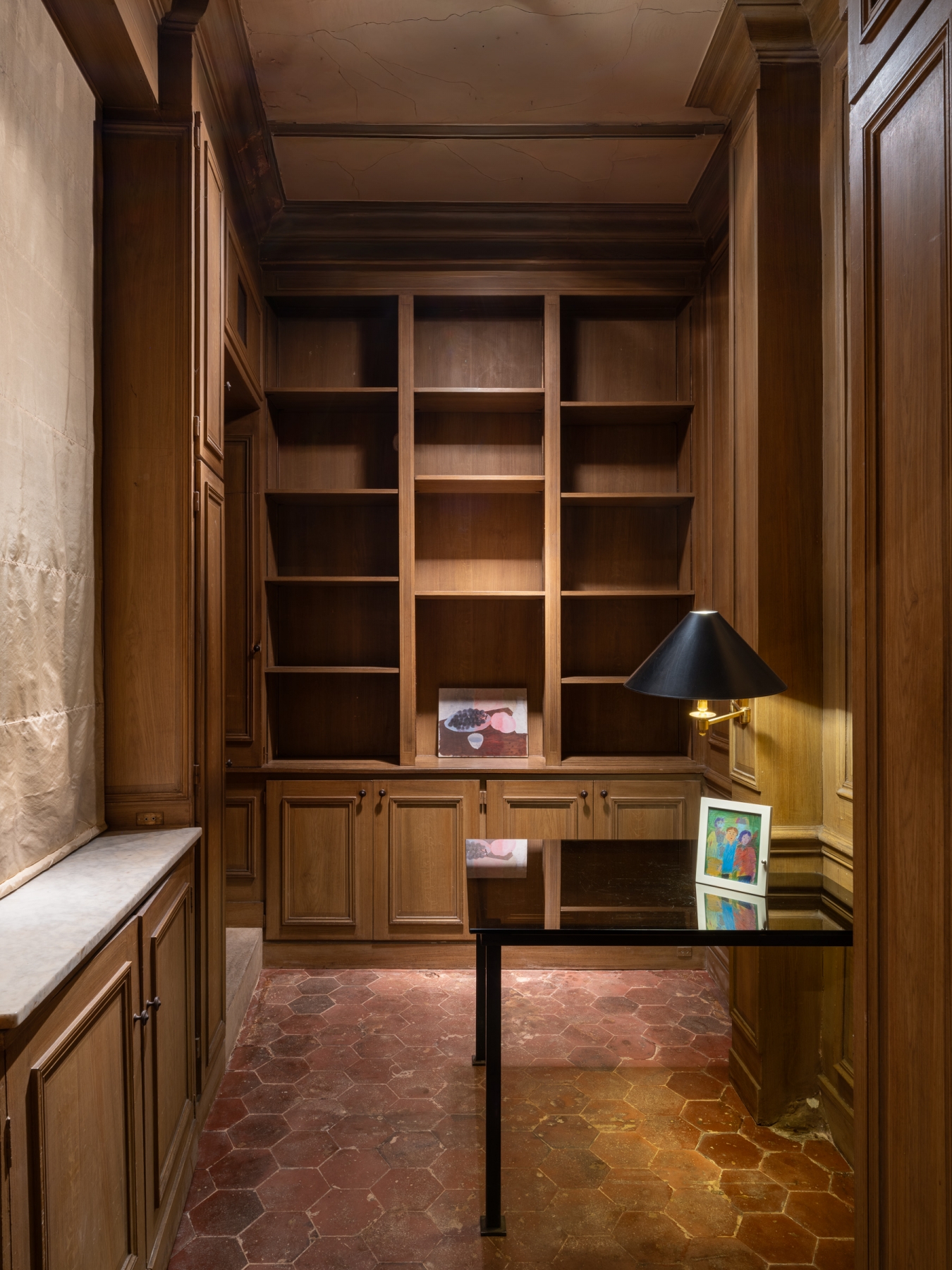
 Exhibition view, Yu Nishimura, Threshold, 2025, Crèvecœur, Paris.
 Loading
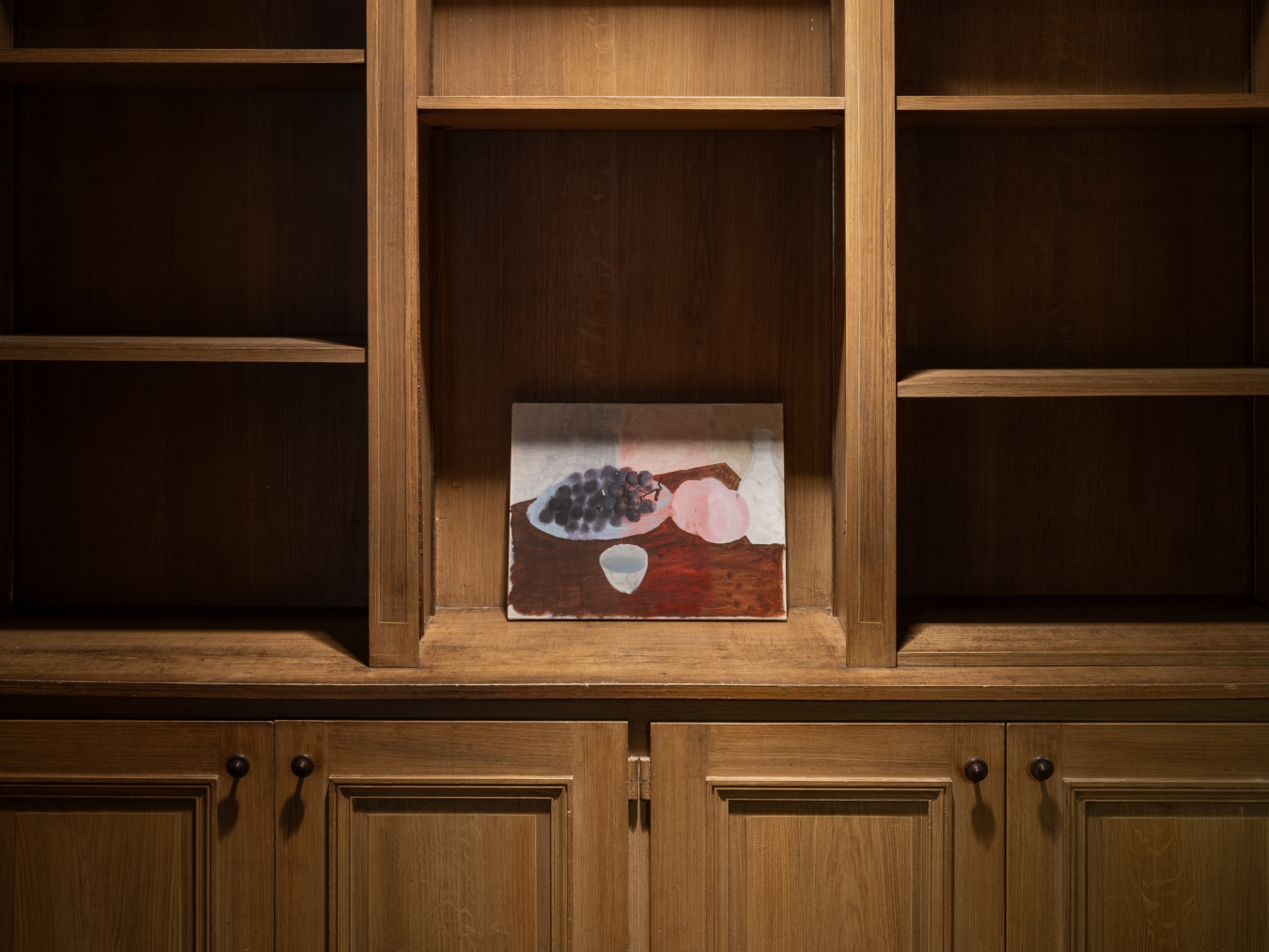
 Yu Nishimura, Fruits and Porcelain, 2024, acrylic and oil on canvas, 32 × 41 cm.
 Loading
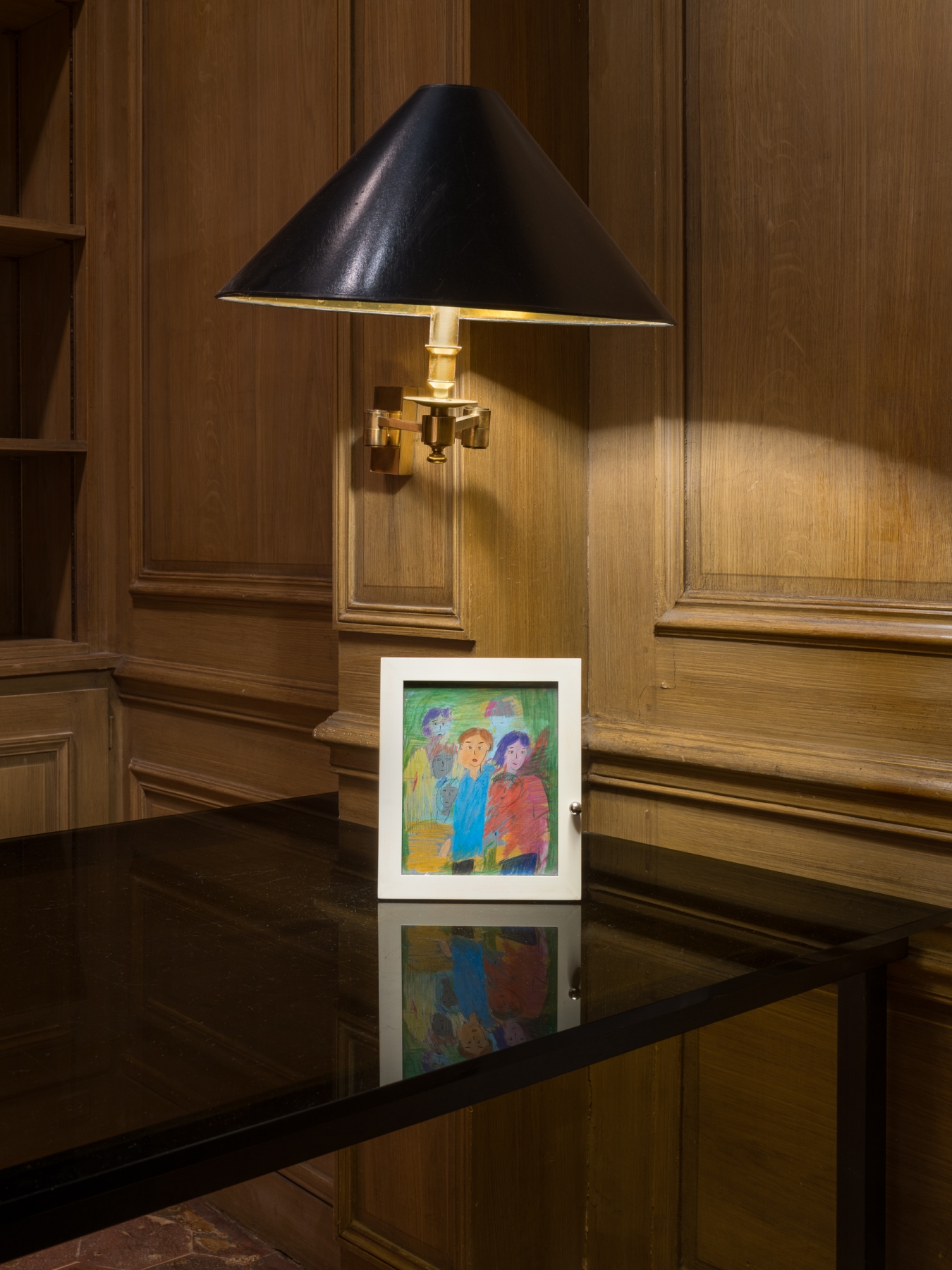
 Yu Nishimura & Yasuaki Hamada, unit, 2025, acrylic and colored pencil on cardboard mounted on waxed wood, 23 × 19 × 1.5 cm.
 Loading
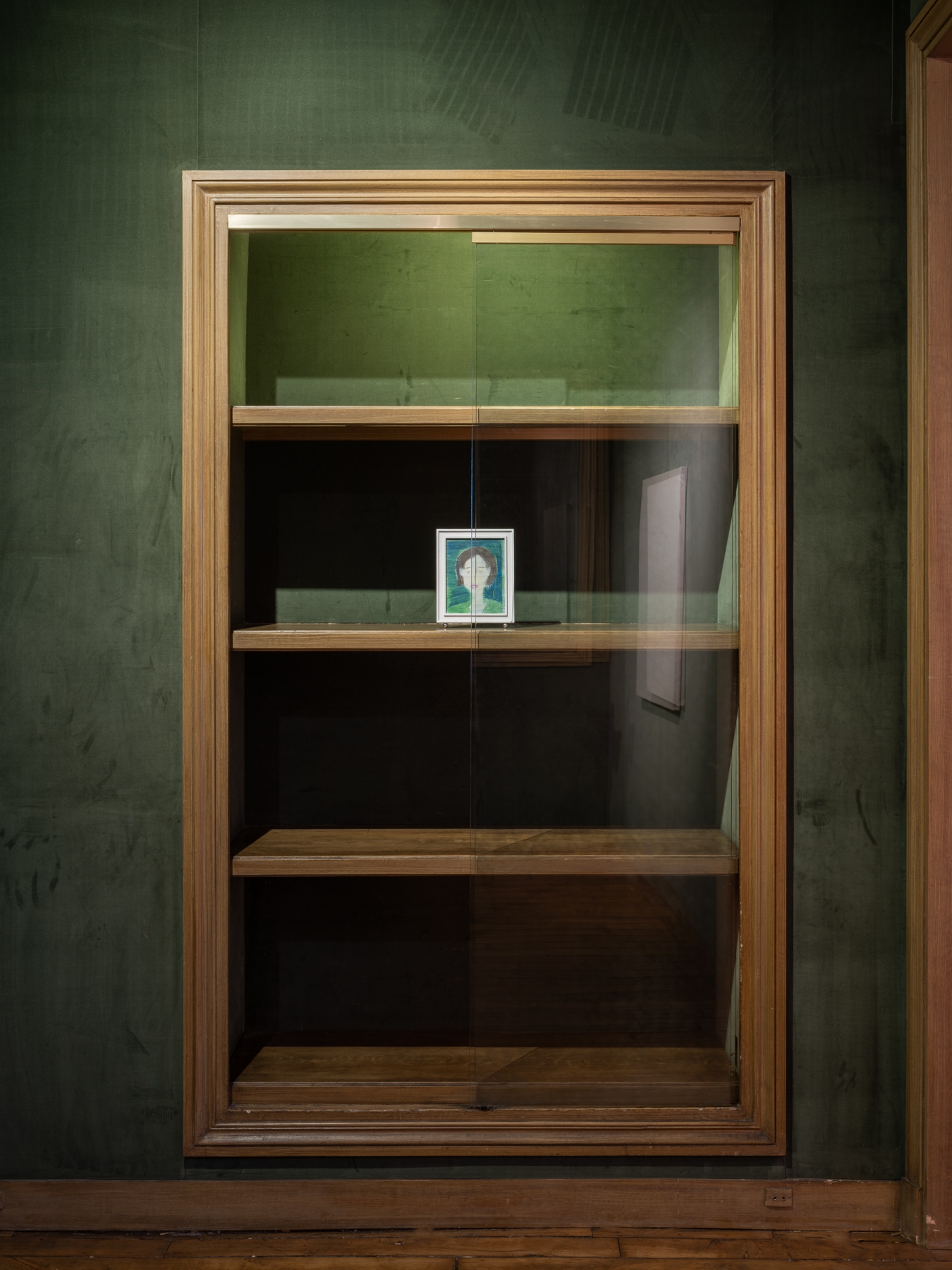
 Exhibition view, Yu Nishimura, Threshold, Crèvecœur, Paris.
 Loading
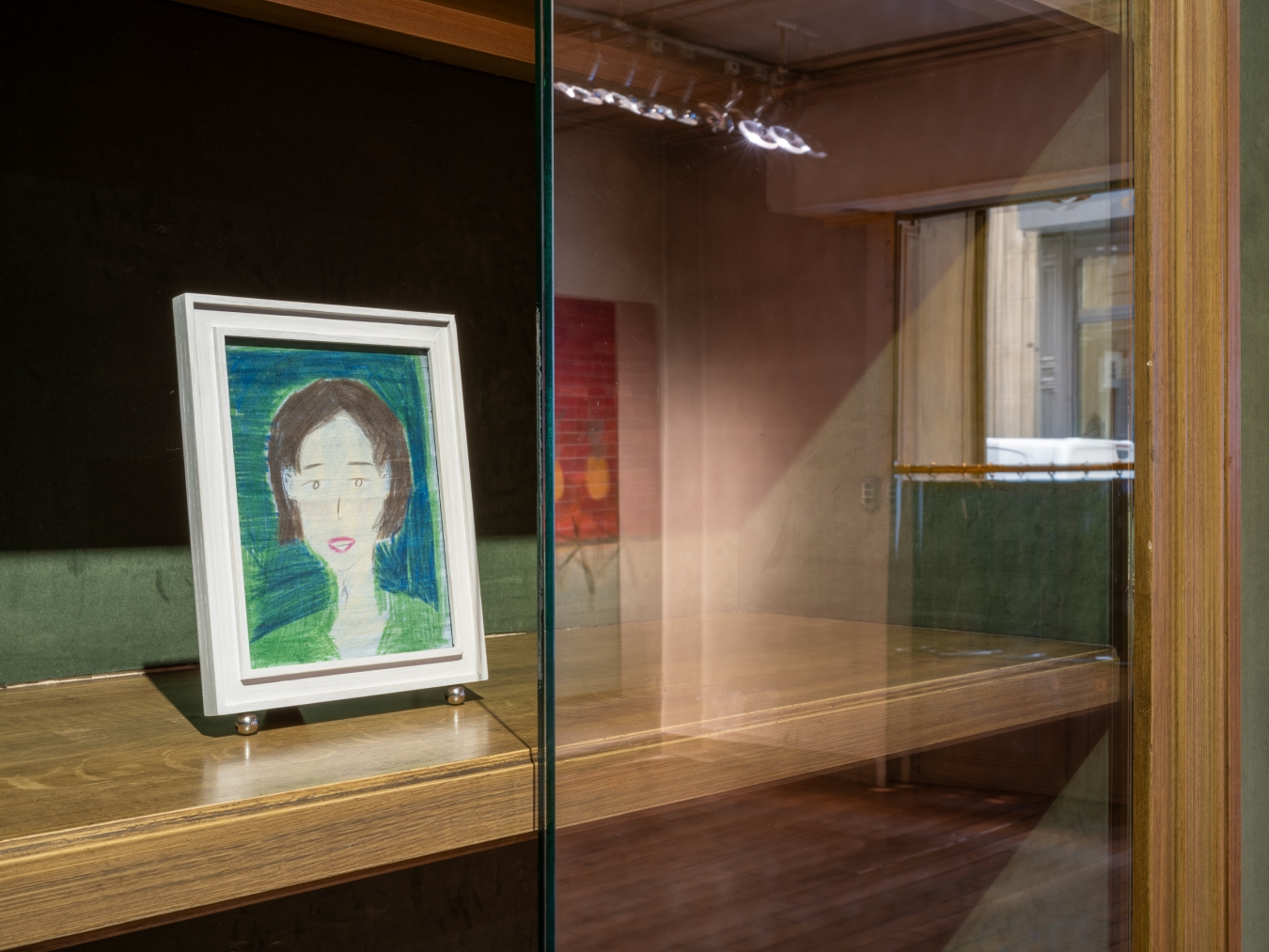
 Yu Nishimura & Yasuaki Hamada, portrait, 2025, acrylic and colored pencil on cardboard mounted on waxed wood with stainless steel, 24 × 18.5 × 1.5 cm.
 Loading
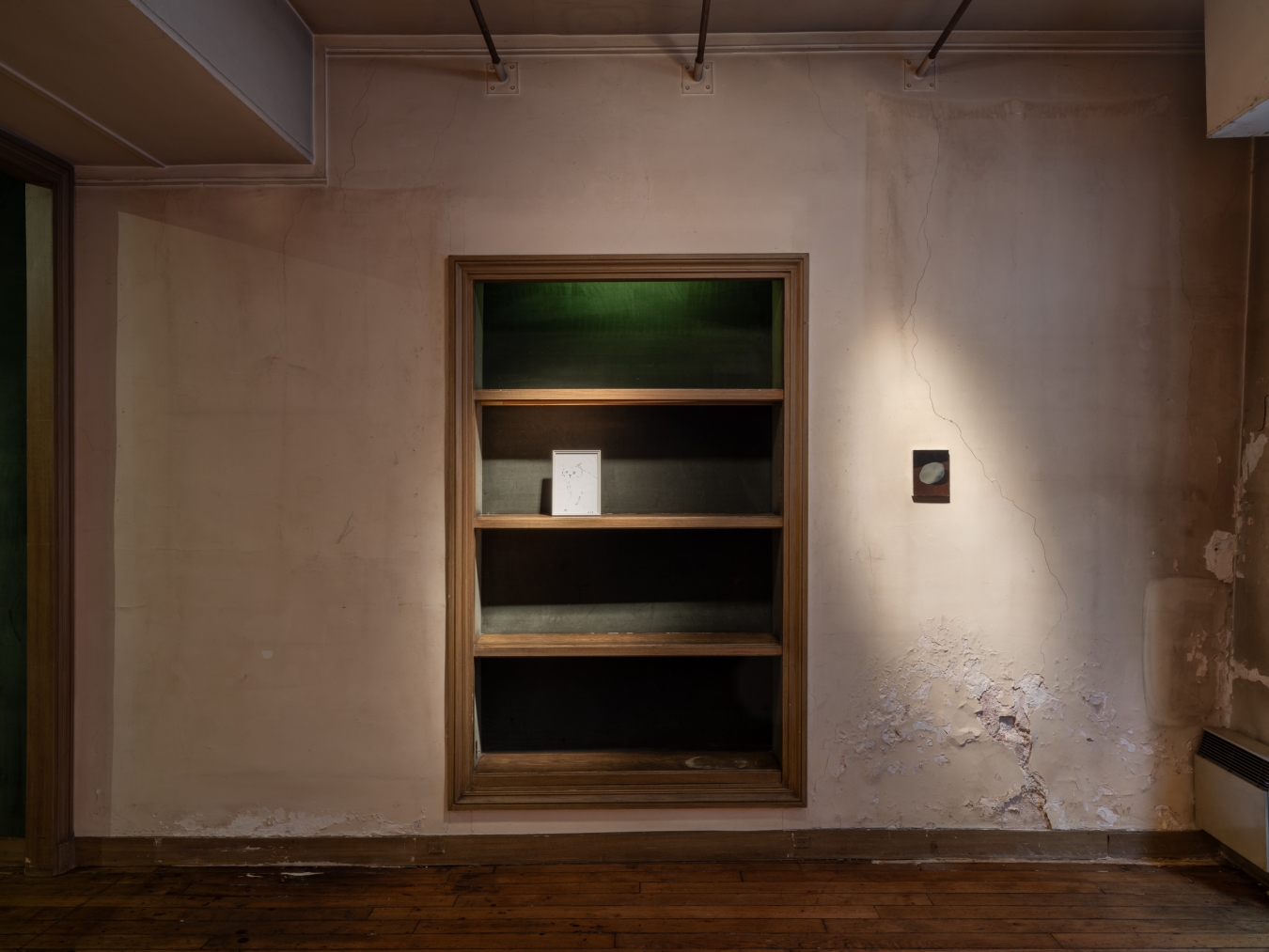
 Exhibition view, Yu Nishimura, Threshold, 2025, Crèvecœur, Paris.
 Loading
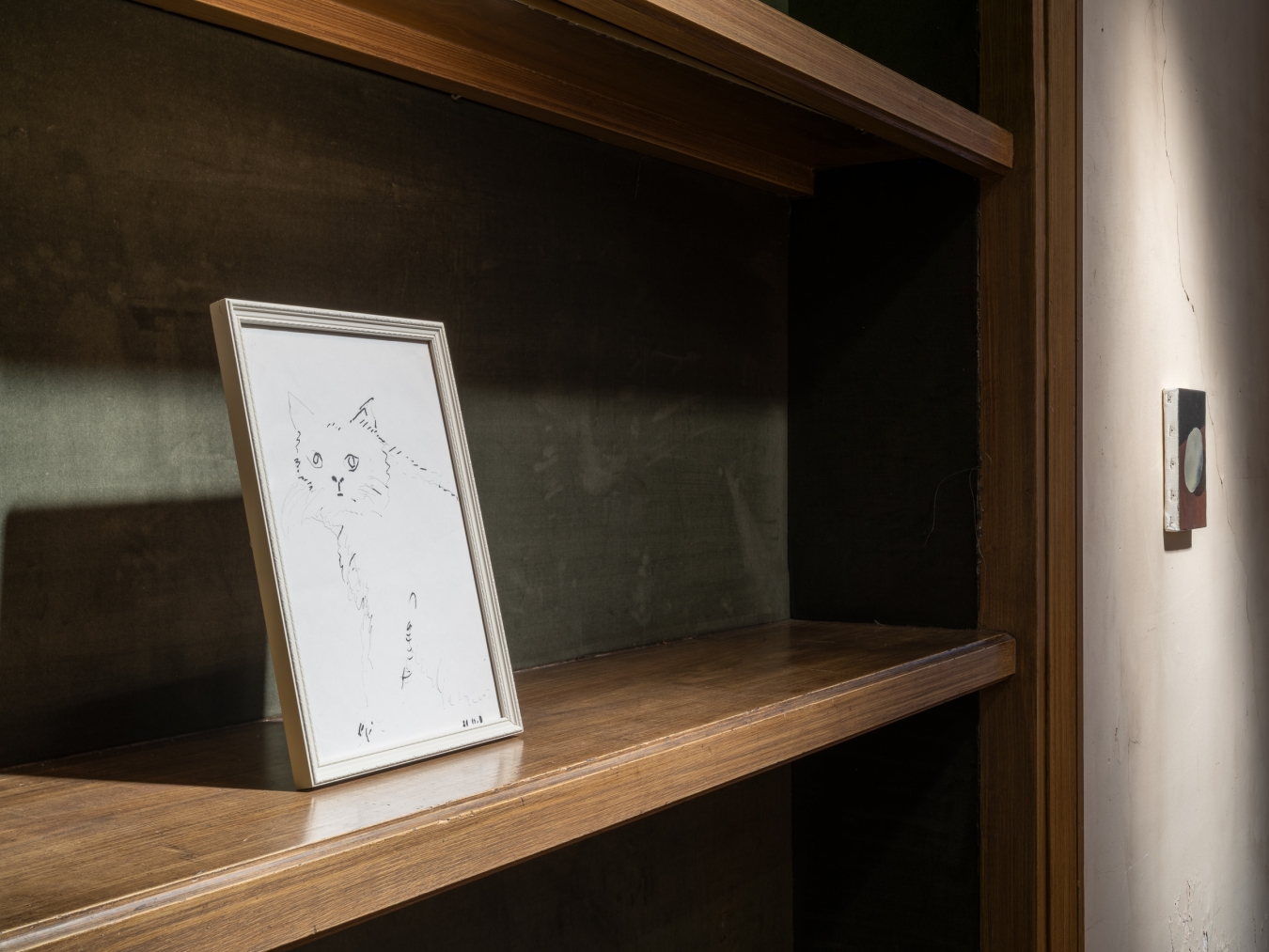
 Yu Nishimura, cat 11.8, 2021, ink on paper, 27 × 19.5 × 1 cm.
 Loading
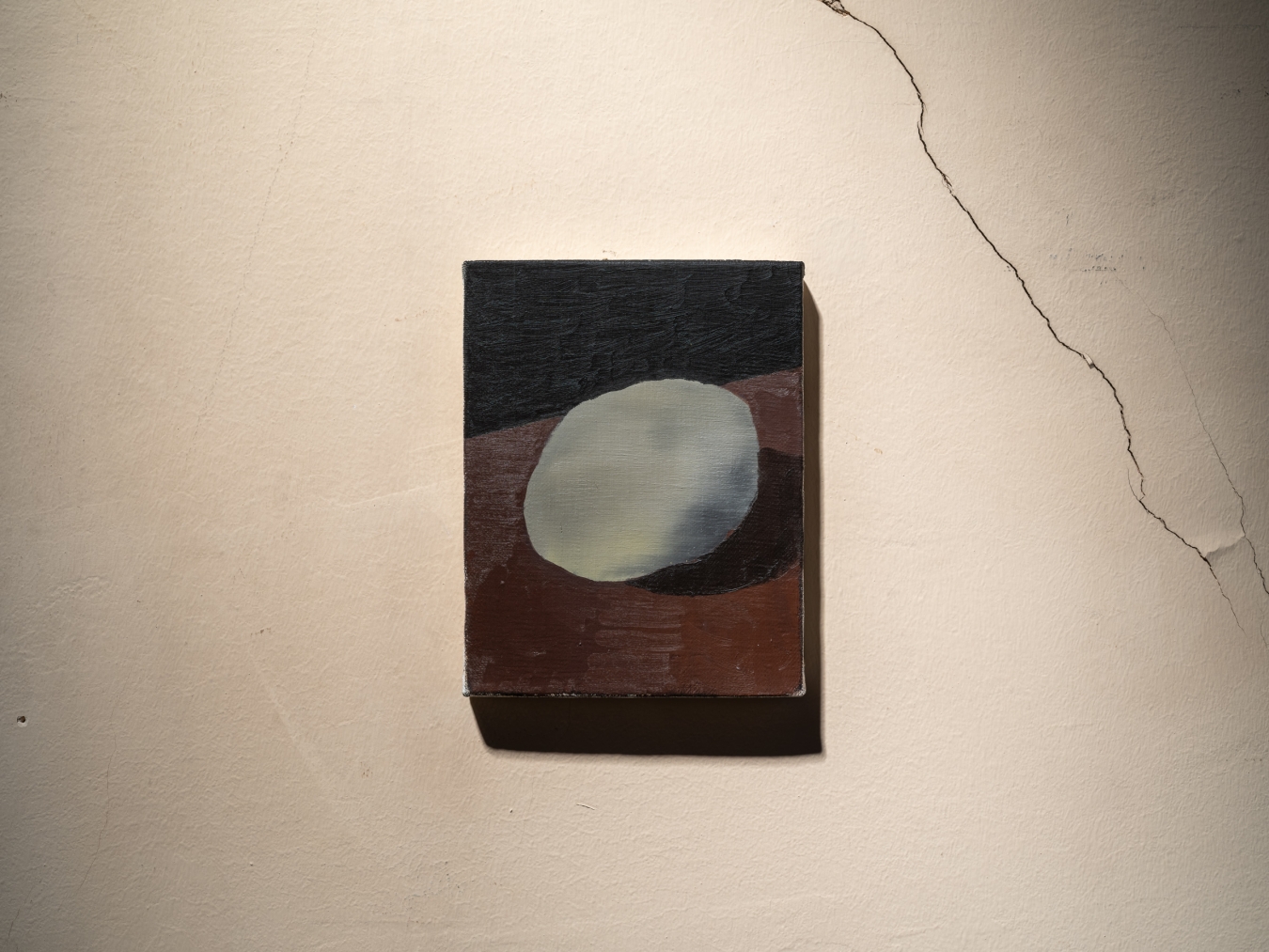
 Yu Nishimura, pomme de terre, 2024, oil on canvas, 18 14 cm.
 Loading
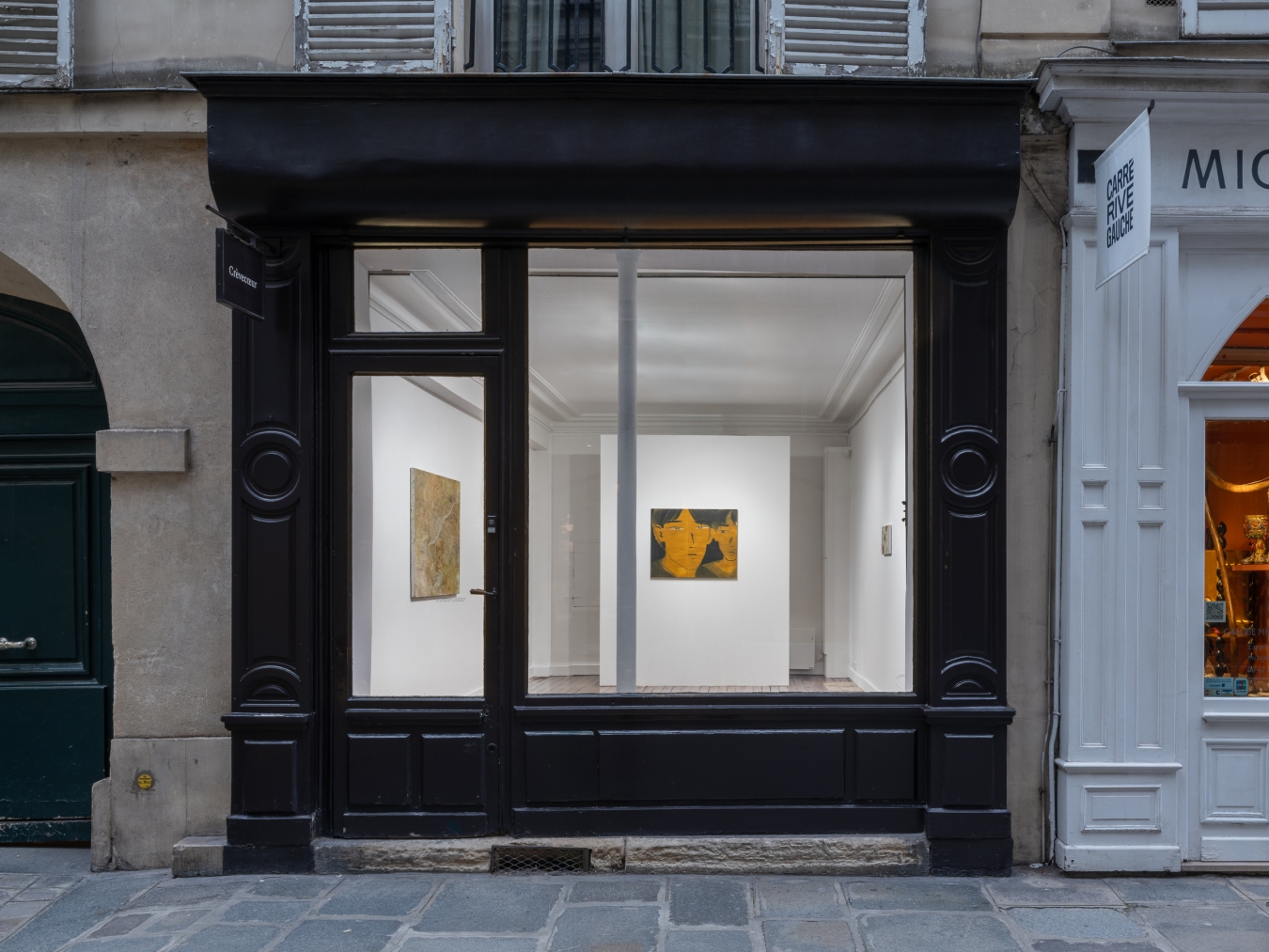
 Exhibition view, Yu Nishimura, Threshold, 2025, Crèvecœur, Paris.
 Loading
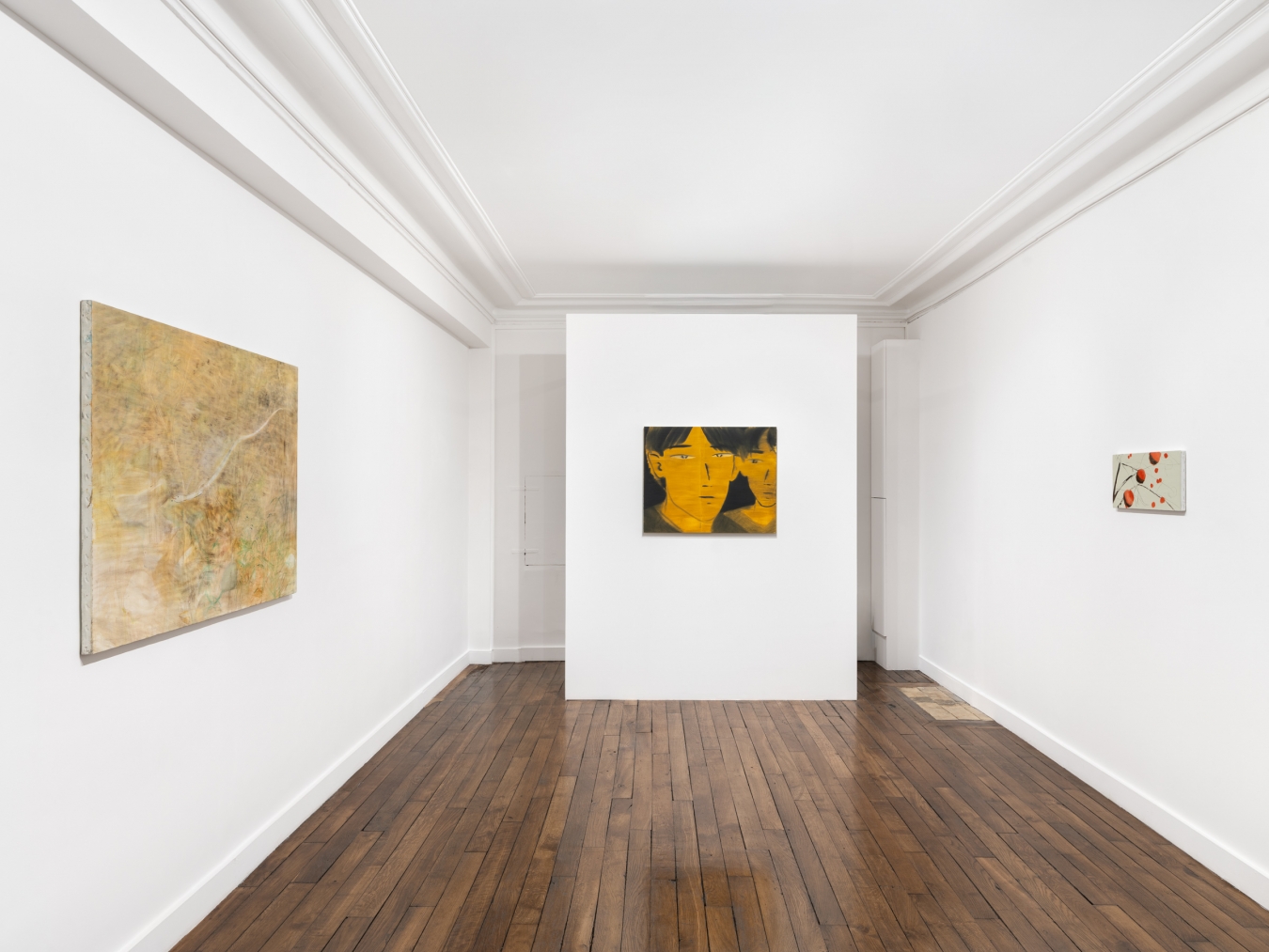
 Exhibition view, Yu Nishimura, Threshold, 2025, Crèvecœur, Paris.
 Loading
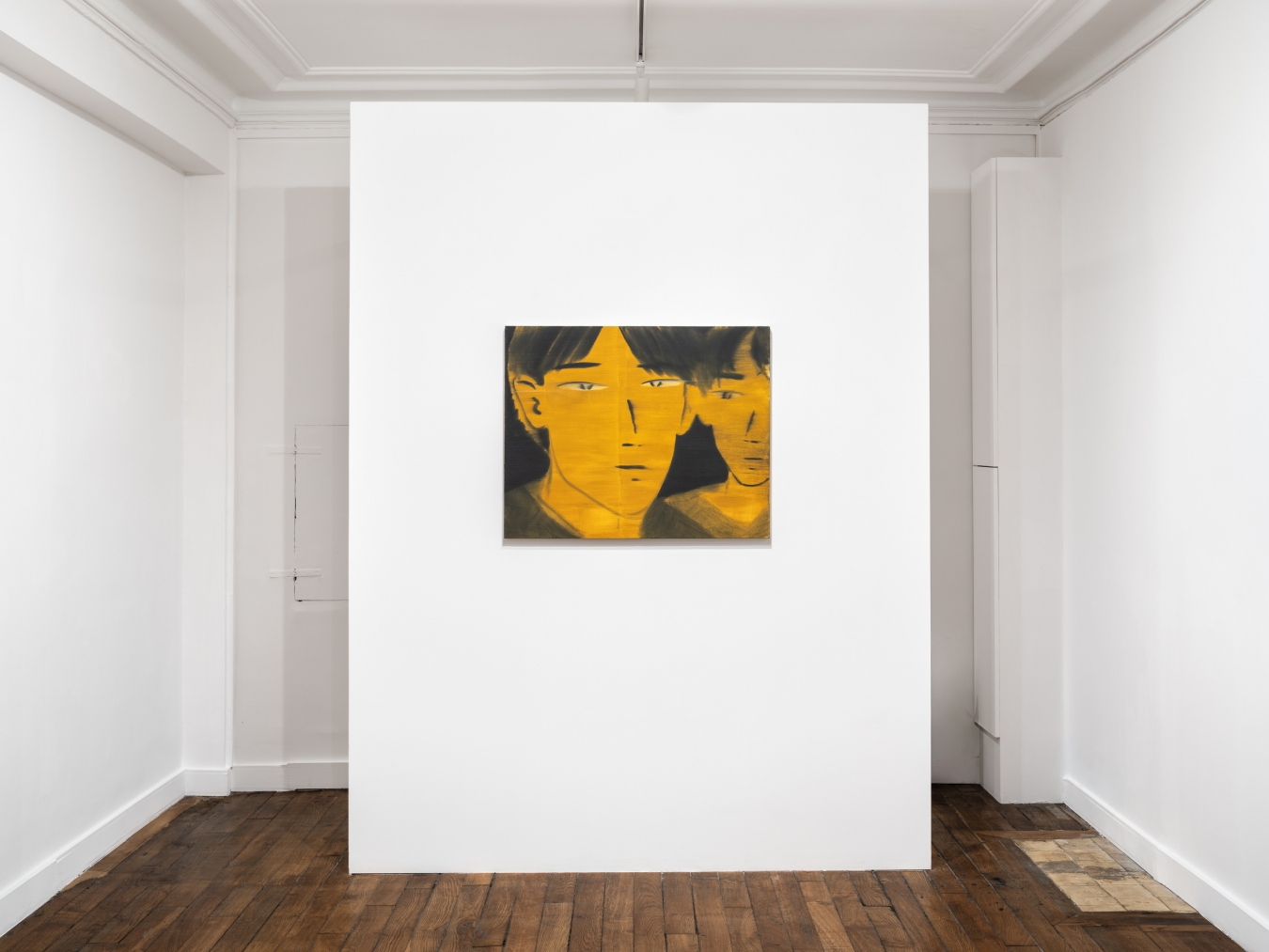
 Yu Nishimura, two boys, 2024, oil on canvas, 73 × 91 cm.
 Loading
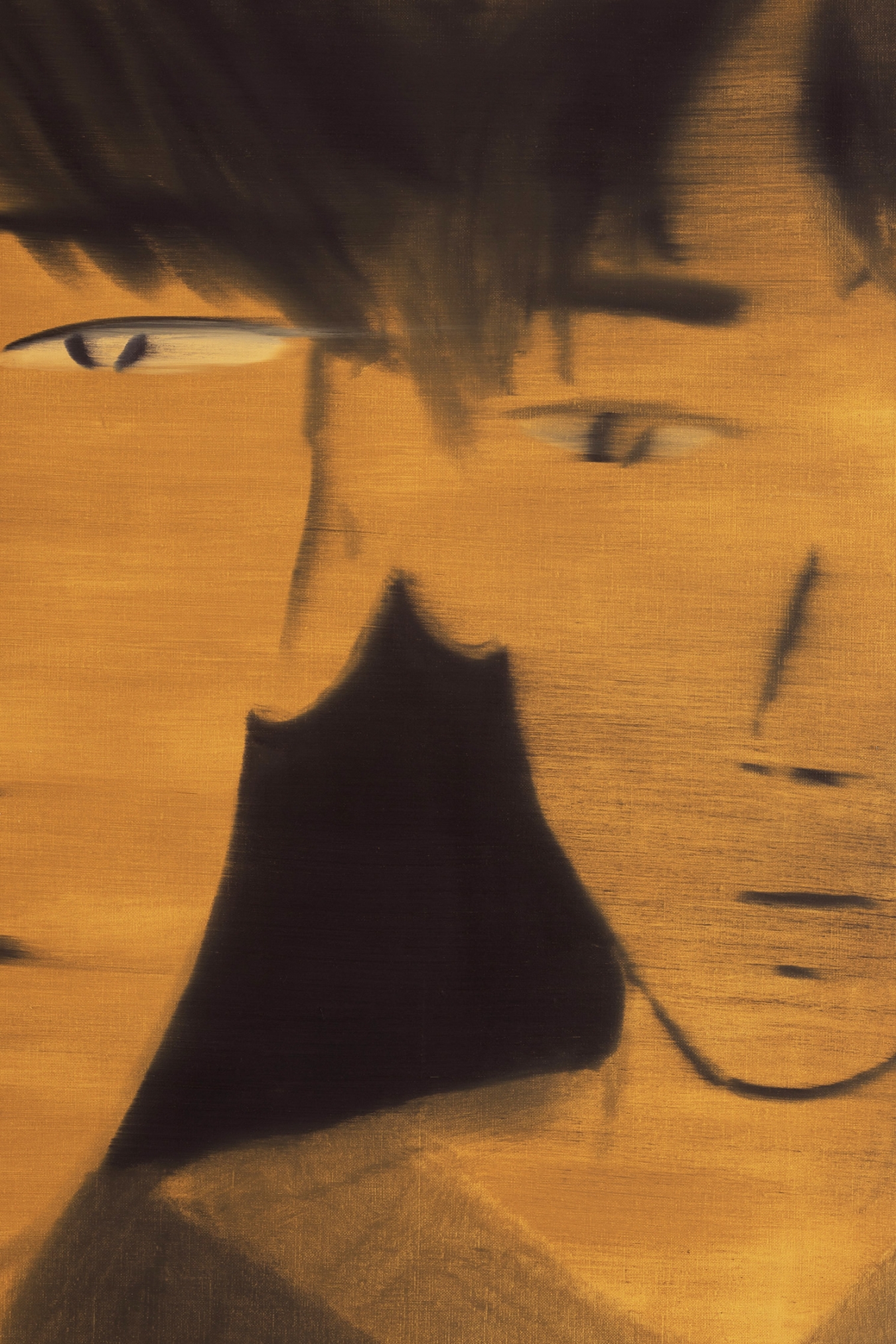
 Yu Nishimura, two boys, 2024, oil on canvas, 73 × 91 cm. (detail)
 Loading
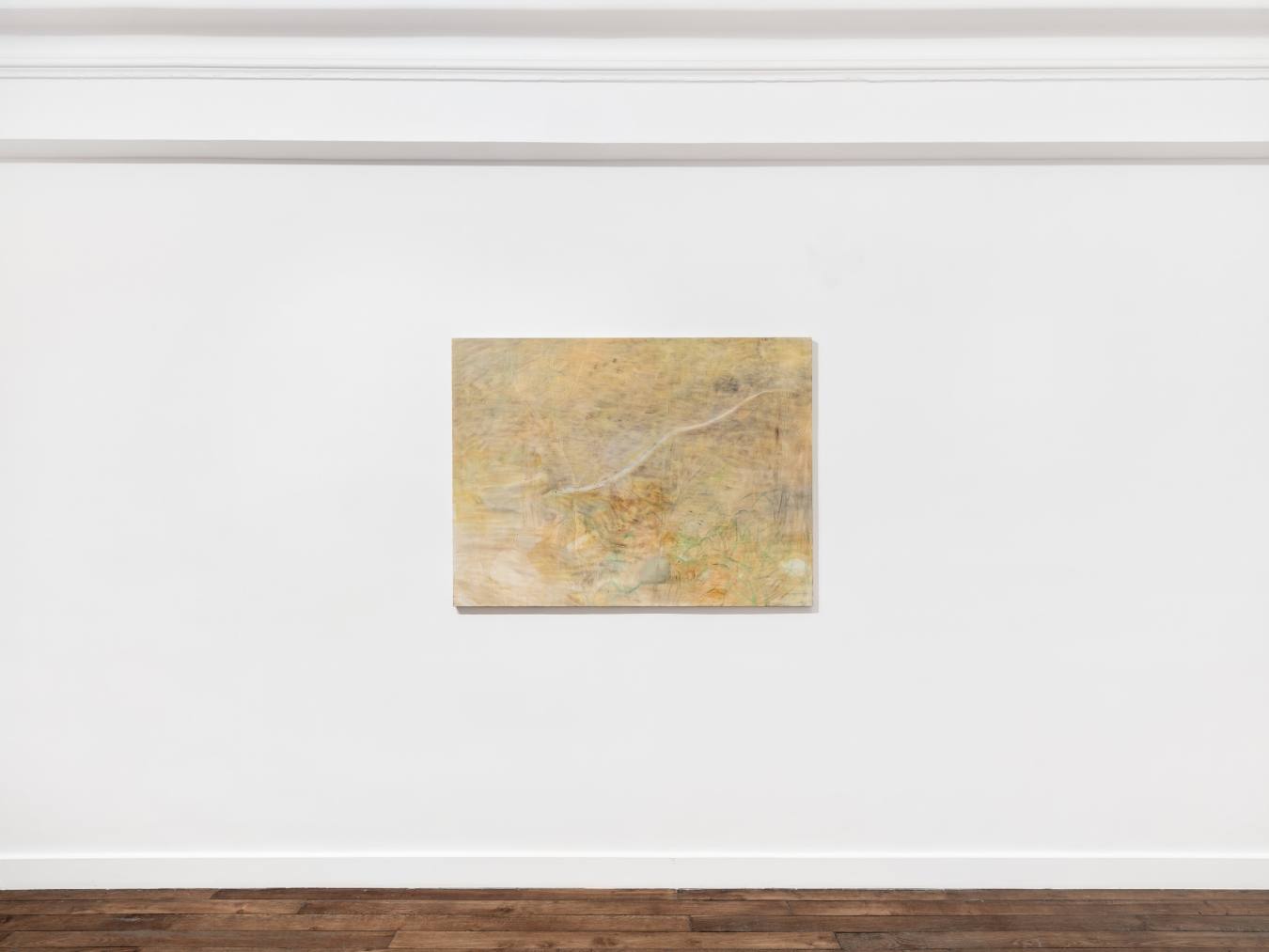
 Exhibition view, Yu Nishimura, Threshold, 2025, Crèvecœur, Paris.
 Loading
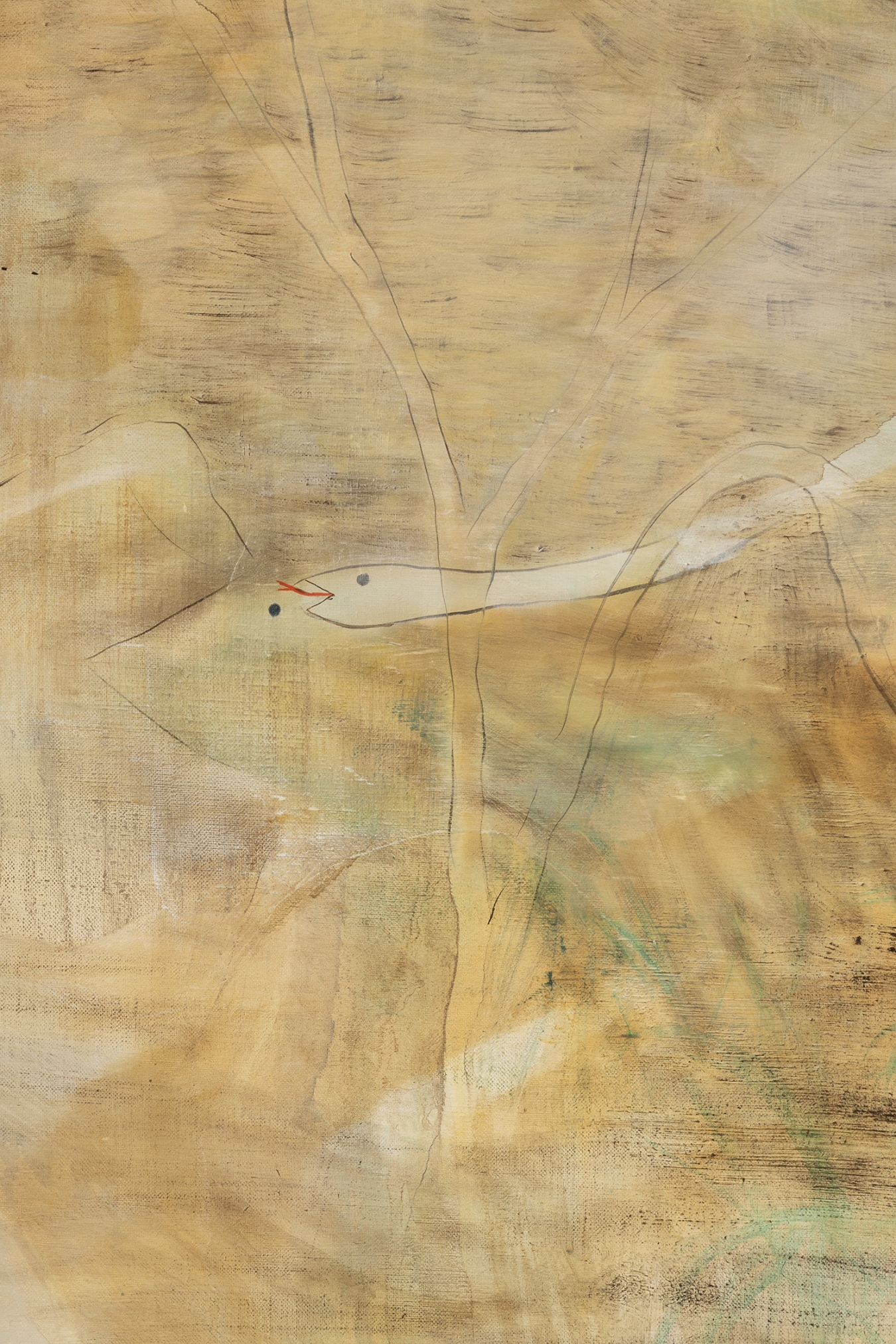
 Yu Nishimura, messenger, 2022, oil on canvas, 97 × 130 cm. (detail)
 Loading
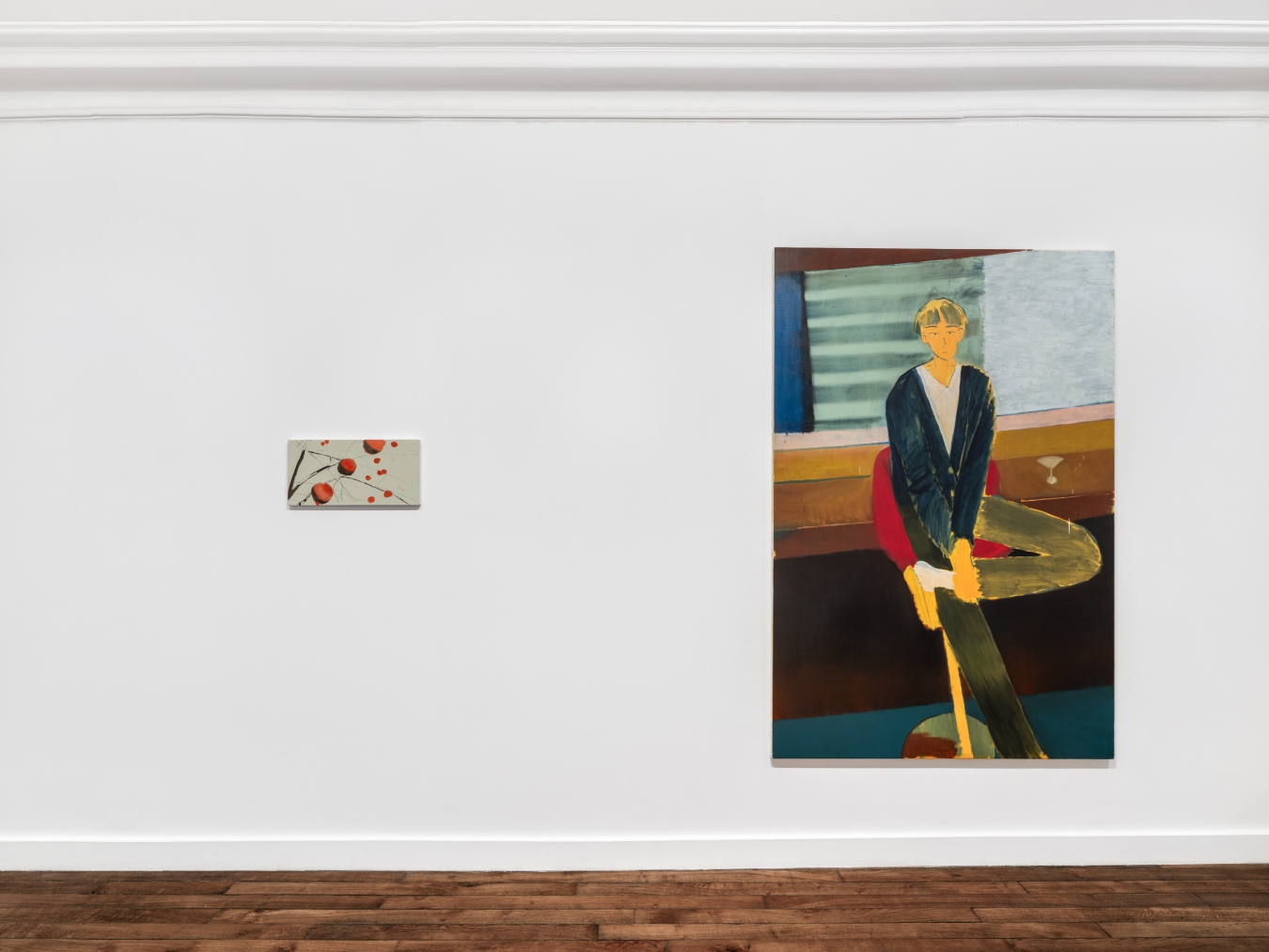
 Exhibition view, Yu Nishimura, Threshold, 2025, Crèvecœur, Paris.
 Loading
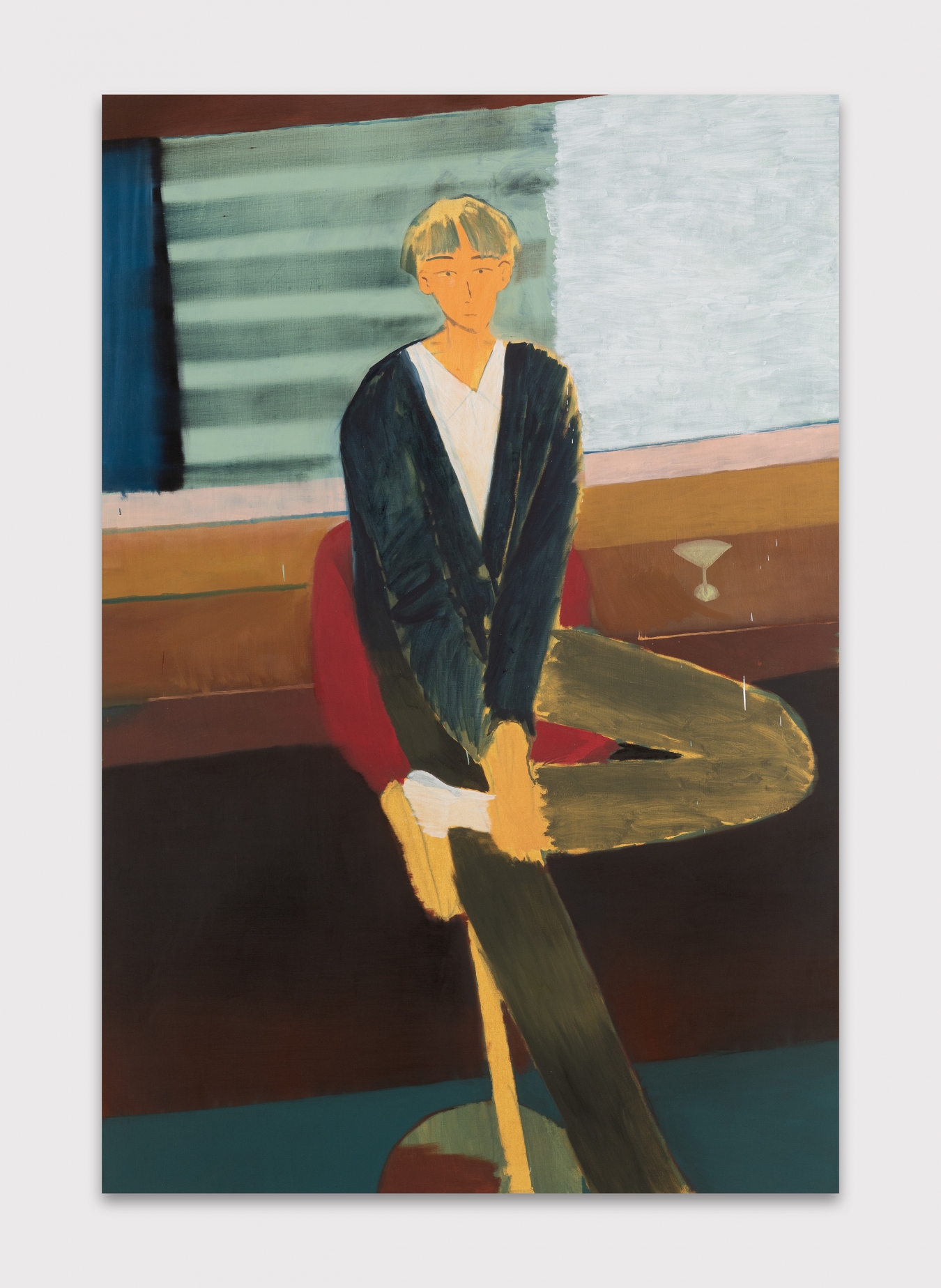
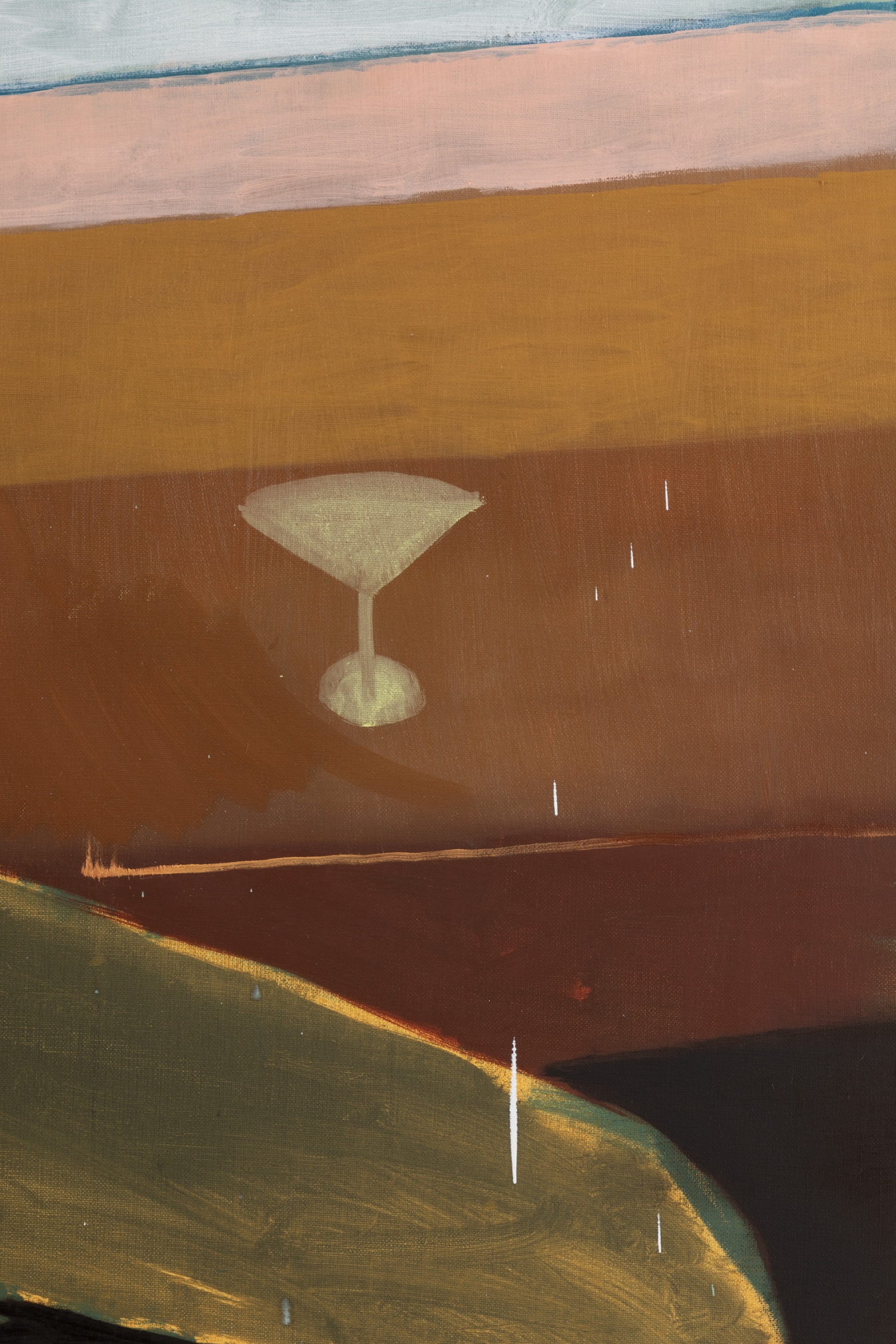
 Yu Nishimura, a boy waiting, 2025, oil on canvas, 194 × 130.5 cm.
 Loading
 Yu Nishimura, a boy waiting, 2025, oil on canvas, 194 × 130.5 cm.